Owner’s manual
 Error Codes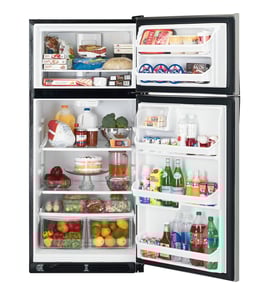






Does anyone make a 33 inch wide refrigerator?
Yes. Several major brands make 33-inch wide refrigerators, and they are a popular “in-between” size when 30 inches is too small but 36 inches will not fit. For your Kenmore top-mount refrigerator model 10679852991, use the clearance rules in the 10679852991 owner's manual to confirm the opening and door-swing space before you shop.
What “33-inch wide” usually means
Manufacturers list width as the cabinet width; the installed space you need is often larger once you include door swing and ventilation.
- Measure the opening at the top, middle, and bottom
- Check depth needs (standard-depth vs counter-depth)
- Confirm hinge-side clearance for full door opening
- Plan for water line space if you want an ice maker
- Leave airflow space so the refrigerator cools correctly
Clearances to plan for (based on your Kenmore manual)
Your Kenmore manual calls out ventilation and wall clearance guidelines that are useful when comparing any 33-inch model.
| Clearance area | Typical planning value | Why it matters |
|---|---|---|
| Side and top ventilation | 1/2 inch | Helps prevent overheating and poor cooling |
| Next to a fixed wall (door swing) | 2 inches minimum (varies by model) | Helps the door open fully without binding |
| Back clearance (ice maker/water line) | Extra space needed | Prevents kinks and leaks at connections |
Why it matters
A refrigerator that is “33 inches wide” can still fail to fit or function well if the cutout is tight. Proper clearance protects cooling performance, reduces noise from restricted airflow, and prevents door alignment and sealing problems.
Last updated: January 2026
What is the upper part of a fridge called?
In a Kenmore top-mount refrigerator like model 10679852991, the upper compartment is the freezer compartment (often called the freezer section). It’s the area designed to keep foods frozen and it also supplies cold air that helps cool the fresh food section.
What you’ll typically find in the upper (freezer) compartment
Common freezer features on this style of refrigerator include:
- Freezer shelf (often adjustable or half-width)
- Pull-out freezer floor or lower freezer bin area
- Freezer vents that move cold air through the unit
- Ice maker (if equipped or if an ice maker kit is installed)
- Door bins or rails for smaller frozen items
For the exact feature layout and names used for your refrigerator, check the 10679852991 owner's manual.
Why the freezer name matters for troubleshooting
Knowing the correct compartment name helps when you’re diagnosing cooling issues. On this design, airflow moves between the freezer and refrigerator sections, so a problem in the freezer can affect fresh food temperatures.
Quick airflow tip
- Cold air typically enters and circulates through the freezer first
- Some of that air then moves into the refrigerator section through vents
- Blocking vents with food packages can lead to temperature and moisture problems
Related parts you might see mentioned
If your freezer has an automatic ice maker, these parts are commonly involved in ice production and water supply:
| Part | What it does | When it’s commonly replaced |
|---|---|---|
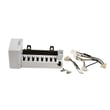
| Ice maker assembly - refrigerator ice maker by whirlpool 4317943 | Produces and harvests ice cubes | No ice, jammed harvest, leaking mold |
| Refrigerator inlet valve WP2315576 | Opens to send water to the ice maker | No fill, slow fill, buzzing with no water |
| Refrigerator water tube W10823511 | Carries water to the ice maker | Frozen tube, leaks, cracked line |
Why it matters
On a top-mount refrigerator, the freezer is the “engine room” for cooling. Keeping freezer vents clear and understanding which section you’re working in helps you troubleshoot faster and order the right Kenmore parts.
Last updated: January 2026
What's the average lifespan of a Kenmore refrigerator?
Most Kenmore refrigerators, including the Kenmore 10679852991 top-mount refrigerator, typically last 12 to 15 years. Regular maintenance (especially keeping airflow clear and doors sealing tightly) is what most often determines whether you reach the average or get many more years.
Typical lifespan and what affects it
A refrigerator’s life is mostly driven by compressor run time, heat removal, and how hard the unit has to work to hold temperature.
- Dirty condenser area makes the sealed system work harder
- Worn or leaking door gaskets cause long run times and temperature swings
- Frequent door opening and warm kitchens increase workload
- Ice maker and water system issues can create leaks and icing problems
- Poor leveling can lead to door alignment and sealing problems
Maintenance checklist that helps you reach 12 to 15 years
Use the care and service guidance in the 10679852991 owner's manual and follow these habits:
- Vacuum and brush dust from the condenser area regularly
- Keep food packages from blocking interior air vents
- Set temps to about 37°F fresh food and 0°F freezer
- Confirm doors close fully and sit square (no gaps at the gasket)
- Fix water leaks quickly to prevent rust, ice buildup, and floor damage
Quick “repair vs. replace” guide
| What you’re seeing | Common cause | Typical next step |
|---|---|---|
| Runs constantly, warm temps | Airflow restriction, dirty condenser, weak cooling | Clean, then diagnose cooling system |
| Frost buildup, warm fridge | Defrost system issue | Check defrost components |
| Water under fridge | Drain or water line issue | Inspect drain and water tubing |
| No ice | Ice maker or water supply issue | Test ice maker fill and valve |
Why it matters
A refrigerator that runs longer than it should uses more electricity and puts extra wear on the sealed refrigeration system. Simple upkeep often prevents the most expensive failures.
Last updated: January 2026