Error Codes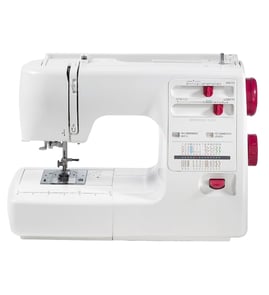

Are old electric sewing machines worth anything?
Yes. Older electric sewing machines can be worth money, and value usually comes from condition, completeness, and how smoothly the machine sews. For a Singer 7436 electronic sewing machine, the best way to judge “worth” is to confirm it stitches correctly, includes its accessories, and has no timing or motor issues.
What typically makes an older sewing machine valuable
- Working condition: consistent stitch formation, steady motor speed, no burning smell
- Cosmetic condition: clean finish, minimal corrosion, no cracked housing
- Completeness: original foot pedal, power cord, bobbin case, presser feet, attachments
- Service history: recently cleaned and lubricated machines sell more easily
- Demand and features: popular models, specialty stitches, or hard-to-find accessories
Quick value check you can do at home
- Power test: turn it on and run at low and high speed; listen for grinding or knocking.
- Handwheel test: rotate by hand; it should move smoothly without binding.
- Stitch test: sew on cotton with a new needle; check for skipped stitches and balanced tension.
- Feed test: confirm the fabric advances evenly and the reverse works.
If the machine binds, stalls, or feels tight, use our troubleshooting steps for sewing machine locks up.
Common “worth it” scenarios (repair vs. sell as-is)
| Situation | Best next step | Why |
|---|---|---|
| Sews well, complete accessories | Sell as working | Highest buyer confidence |
| Runs but stitches poorly | Basic tune-up (cleaning, needle, tension) | Low-cost improvement |
| Motor hums, won’t run | Diagnose motor, belt, or wiring | Fix can restore usability |
| Locks up or needle won’t move | Check for thread jams, seized mechanism | Prevents further damage |
For symptom-based help, start at the sewing machine repair-guides landing page.
Why it matters
Most buyers pay for a machine that is ready to sew. A clean, fully functioning Singer 7436 with its foot control and standard accessories is easier to sell and typically commands more than an untested or incomplete machine.
Last updated: February 2026
How long do computerized sewing machines last?
Most computerized sewing machines, including the Singer 7436, last 10 to 20 years with normal home use and consistent cleaning, oiling (when applicable), and correct threading. Heavy use, lint buildup, and running with a dull needle can shorten life quickly.
Typical lifespan (what to expect)
Computerized machines have more electronics than mechanical models, so maintenance and power quality matter more.
| Use pattern | Typical lifespan | What usually ends the machine’s life |
|---|---|---|
| Light (occasional mending) | 15 to 20 years | Dried lubrication, stuck mechanisms, worn belts/gears |
| Moderate (weekly projects) | 10 to 15 years | Motor wear, feed/timing wear, board or switch issues |
| Heavy (daily, thick fabrics) | 7 to 12 years | Drive system wear, overheating, repeated jams |
What makes a computerized machine last longer
- Change needles regularly (a bent or dull needle increases load on the hook and motor).
- Clean lint from the bobbin area and feed dogs after every few projects.
- Use the correct bobbin type and wind it evenly to prevent jams.
- Rethread with the presser foot up so tension discs open correctly.
- Use quality thread; fuzzy or old thread sheds lint and causes tension problems.
- Store covered to reduce dust in the electronics and stitch selector area.
Quick “wear warning” checklist
These are the signs we treat as early indicators that service or parts may be needed:
- The machine locks up or handwheel is hard to turn.
- Needle bar movement is inconsistent, or the needle will not move.
- Stitching becomes noisy (knocking/clicking) even after cleaning.
- Fabric stops feeding smoothly, or stitches start skipping.
For step-by-step troubleshooting, use our DIY symptom guide: sewing machine locks up.
Why it matters
A computerized sewing machine usually fails from preventable strain (jams, lint, incorrect threading) long before the electronics wear out. Keeping friction and load low protects the motor, drive belt, hook timing, and control components.
Last updated: February 2026
What's the best computerized sewing machine?
The best computerized sewing machine is the one that matches your projects and skill level; there is no single “best” for everyone. If you’re shopping around a Singer 7436, compare stitch options, buttonhole performance, speed control, and how easily the machine stays threaded and feeds fabric consistently.
How we recommend choosing “best”
Prioritize features that directly affect stitch quality and day-to-day usability:
- Stitch selection and controls: easy stitch selection, clear length and width adjustments
- Buttonhole results: consistent buttonholes for garments
- Speed control: better control for corners, zippers, and topstitching
- Needle positioning: helps pivoting and precision seams
- Feed system performance: smooth feeding on cottons, knits, and light denim
- Maintenance access: easy lint cleanup around the bobbin and needle plate
Quick comparison: what “best” means by project
| If you mostly sew... | Prioritize | Why it matters |
|---|---|---|
| Repairs and hems | Simple controls, steady feeding | Faster setup, fewer mistakes |
| Garments | Buttonholes, speed control | Cleaner finishes and accuracy |
| Quilting (light to moderate) | Consistent feeding, speed control | Straighter seams, less shifting |
| Heavy fabrics | Strong drive system, stable presser foot pressure | Fewer stalls and skipped stitches |
If a computerized machine “isn’t good,” check setup first
Many performance complaints come from threading, needle, or lint issues rather than the machine itself:
- Re-thread the upper thread with the presser foot up
- Install a new needle matched to fabric (universal, ballpoint, denim)
- Use quality thread and a correctly wound bobbin
- Clean lint under the needle plate and in the bobbin area
- Balance tension if you see loops or puckering
For step-by-step troubleshooting, use our guide: sewing machine common questions.
Why it matters
Choosing based on your fabric types and projects prevents skipped stitches, thread breaks, and uneven feeding; that saves time and reduces wear on the motor and drive system.
Last updated: February 2026