Owner’s manual
 Error Codes



What is the capacity of the WM2487HRMA?
The LG WM2487HRMA washer has an extra-large capacity of 4.2 cubic feet, which lets you wash more items per load and reduce the number of loads you run. For cycle and loading guidance specific to this model, use the WM2487HRMA manual.
What “4.2 cu. ft.” means for real-world loads
Capacity is the drum volume, not a guaranteed weight limit. In practice, it helps you plan bulky loads and avoid overpacking.
- Wash more everyday laundry in fewer loads
- Better room for bulky items (comforters, towels, jackets)
- Helps reduce overdosing detergent (less chance of oversudsing)
- Supports high-efficiency (HE) washing performance
Loading tips for best cleaning and fewer issues
For the WM2487HRMA, we recommend these habits to protect the door boot, improve tumbling, and reduce out-of-balance spinning:
- Load loosely; do not pack items tightly against the drum
- Mix large and small items in the same load when possible
- Avoid washing single heavy items alone (add a few similar items)
- Use only HE detergent and follow the detergent label dosing
- Leave some space at the top so items can tumble freely
Quick reference: capacity and what to watch
| Spec | WM2487HRMA value | Why it matters |
|---|---|---|
| Washer capacity | 4.2 cu. ft. | Larger loads, fewer cycles |
| Washer type | Front-load | Needs tumbling space for best results |
| Detergent type | HE only | Prevents oversudsing and residue |
Why it matters
Using the correct capacity expectations helps prevent common problems like poor rinsing, musty odor, and vibration during spin. If you’re troubleshooting draining or spinning issues, the drain system components (pump, hoses, filter) are often involved.
Last updated: January 2026
How do I clean the filter on my LG direct drive washing machine?
On the LG WM2487HRMA washer, you clean the drain pump filter by opening the lower drain access panel, draining any leftover water through the small drain tube, then removing and rinsing the pump filter before reinstalling everything securely. See the steps in the WM2487HRMA manual.
Step-by-step: cleaning the drain pump filter
- Unplug the washer.
- Place a shallow pan and towels under the lower front access area.
- Open the lower drain access panel.
- Pull out the small drain tube and remove the plug to drain water into the pan.
- Turn the pump filter counterclockwise to remove it.
- Remove lint, coins, buttons, and debris; rinse the filter under running water.
- Reinstall the filter (turn clockwise until snug).
- Reinstall the drain tube plug, tuck the tube back in place, and close the access panel.
What you need
- Shallow pan or bucket
- Towels
- Gloves (optional)
- Mild soap and a soft brush (optional)
Parts that may be involved
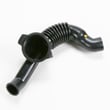
If the drain tube is cracked or the plug will not seal after cleaning, you may need to replace the drain hose/plug components.
| Item | What it does | When to replace |
|---|---|---|
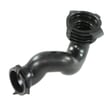
| Washer drain pump filter drain hose 5214FR4006G | Lets you drain the tub before removing the filter | Tube is split, leaking, or won’t stay connected |
| Washer drain pump filter drain hose plug 5006EN3015A | Seals the drain tube so it does not leak | Plug is swollen, torn, or won’t seal |
How often should I clean it?
- Every 1 to 3 months for heavy use (large family, lots of pet hair)
- Any time the washer drains slowly
- After washing items that shed heavily (rugs, fleece, pet bedding)
Why it matters
A clogged drain pump filter can cause slow draining, standing water, odors, and extra strain on the drain pump. Keeping the filter clean helps your WM2487HRMA wash and drain normally.
Last updated: January 2026
What is the average lifespan of an LG washing machine?
An LG washing machine such as model WM2487HRMA typically lasts about 10 to 15 years in normal household use. The WM2487HRMA manual does not list a specific “expected lifespan,” so we use the standard washer lifespan range and focus on the care steps that help you reach it.
What the WM2487HRMA manual emphasizes for long life
Your washer’s use and care routine matters as much as the brand. The WM2487HRMA manual highlights habits that reduce wear and common failures.
- Use HE (High-Efficiency) detergent to prevent oversudsing and residue
- Keep the washer level to reduce vibration and stress on suspension and bearings
- Run the TUB CLEAN cycle regularly to limit buildup and odors
- Clean around the door seal/boot and door glass to prevent leaks and mildew
- Check the drain pump filter if draining slows
Typical lifespan expectations (general guidance)
These ranges are typical for modern front-load washers, including LG models like WM2487HRMA.
| Household use pattern | Typical lifespan | Common wear areas |
|---|---|---|
| Light (1–3 loads/week) | 12–15 years | Hoses, door boot, inlet valve |
| Average (4–7 loads/week) | 10–12 years | Drain pump, shocks, door lock |
| Heavy (daily, large loads) | 7–10 years | Bearings, suspension, pump |
Parts that often matter when a washer “ages out”
If performance drops, these are frequent repair points on front-load washers:
- Drain system (pump, hoses, filter)
- Door lock and latch system
- Water inlet valve and inlet screens
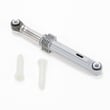
- Suspension/shock absorbers
- Tub bearings and seals
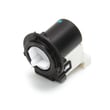
If you’re troubleshooting slow draining on WM2487HRMA, a common repair item is the washer pump 3108ER1001A.
Why it matters
Knowing the typical lifespan helps you plan maintenance and make smarter repair decisions. Preventing oversudsing, vibration, and moisture buildup reduces strain on high-wear systems like the drain pump, suspension, and tub bearings.
Last updated: January 2026