




Is a higher mph or CFM better for a leaf blower?
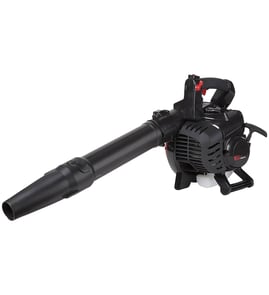
Higher CFM is better when we want the Poulan BVM200FE to move more leaves at once (volume), while higher MPH is better when we need stronger push to break loose stuck debris (speed). For most yard cleanup, we look for a balanced combination of both.
- Large piles, wet leaves, mulch, or pine needles: prioritize higher CFM
- Leaves stuck to pavement or in cracks: prioritize higher MPH
- General lawn cleanup: choose a balanced CFM and MPH
- Vacuum mode (if used): airflow consistency matters as much as peak numbers
- Noise and control: more power can mean more noise and less finesse
| Spec | What it measures | Best for | What you notice |
|---|---|---|---|
| CFM | Air volume | Moving lots of debris quickly | Wider “sweep” and faster pile building |
| MPH | Air speed | Dislodging stubborn debris | Stronger “punch” at the nozzle |
CFM and MPH work together. High MPH without enough CFM can scatter debris without moving the pile efficiently; high CFM with low MPH can struggle to break loose damp or matted leaves.
If your BVM200FE feels weak, we check common airflow and fuel-delivery items first:
- Clean or replace the leaf blower air filter 545146501
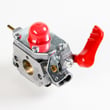
- Inspect the ayp leaf blower primer bulb 530035497 for cracks or stiffness
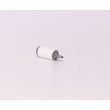
- Check for split or soft fuel line; replace the ayp lawn & garden equipment fuel line, large 530069216
- Make sure the nozzle and tubes are fully seated and not obstructed
- Use fresh, properly mixed fuel (2-cycle mix) and drain old fuel before storage
Last updated: January 2026
What is the best gas leaf blower for the money?
If you want the best gas leaf blower for the money, we recommend matching power and comfort to your yard size and how often you blow. If you already own a Poulan BVM200FE, the best value is often restoring performance with basic tune-up parts before replacing the whole blower.
- Small to medium yards (handheld): prioritize low weight, easy starting, and a strong warranty.
- Large yards (backpack): prioritize higher CFM and MPH, padded straps, and vibration control.
- Wet leaves or heavy debris: prioritize higher MPH and a nozzle that concentrates airflow.
- Occasional use: prioritize easy starting and simple maintenance (air filter, primer bulb, fuel lines).
| Use case | What matters most | Typical best-value direction |
|---|---|---|
| Light cleanup | Weight, easy starting | Handheld gas blower |
| Weekly leaf season | Comfort, runtime | Mid-range handheld or small backpack |
| Big property | Power, ergonomics | Backpack gas blower |
| Your current BVM200FE feels weak | Maintenance parts | Tune-up before replacing |
Before buying a new blower, we typically see big improvements from these checks and parts:
- Replace or clean the air filter; a clogged filter causes rich running and low power (see leaf blower air filter 545146501).
- Inspect the primer bulb for cracks or stiffness; air leaks make starting and fueling inconsistent (see ayp leaf blower primer bulb 530035497).
- Check fuel lines for hardening, splits, or loose fit; air leaks cause surging and stalling (see ayp lawn & garden equipment fuel line, large 530069216).
- Drain old fuel and refill with fresh, properly mixed 2-cycle fuel.
- Confirm the start/stop switch works consistently if the engine cuts out (see craftsman, Poulan leaf blower start/stop switch kit 545081830).
A “best for the money” blower is the one that delivers the airflow you need without wearing you out. For many owners, a low-cost refresh of fuel and air-delivery parts restores starting, throttle response, and blowing power for far less than a new machine.
Last updated: January 2026
What is the gas oil ratio for the Poulan Pro BVM200FE?
For the Poulan BVM200FE gas leaf blower, we mix fresh unleaded gasoline with high-quality synthetic 2-cycle (air-cooled) engine oil at a 40:1 ratio. That equals 3.2 oz of 2-cycle oil per 1 gallon of gas; accurate mixing helps prevent hard starting, poor power, and engine damage.
- 1 gallon gas: 3.2 oz oil
- 1/2 gallon gas: 1.6 oz oil
- 1 quart gas: 0.8 oz oil
- 1 liter gas: 25 ml oil
| Gas amount | Oil needed (40:1) |
|---|---|
| 1 gallon | 3.2 oz |
| 2 gallons | 6.4 oz |
| 5 gallons | 16 oz (1 pint) |
- Use a clean, approved fuel can (not the blower tank) for mixing.
- Add about half the gasoline first, then add the measured 2-cycle oil.
- Cap and shake to blend, then add the remaining gasoline and shake again.
- Fill the tank; wipe up spills before starting.
- If the blower has been sitting, drain old fuel and mix a fresh batch.
A 2-cycle engine relies on the oil in the fuel for lubrication. Too little oil can score the piston and cylinder; too much oil can foul the spark plug, smoke heavily, and reduce performance.
If the blower still runs poorly after fresh 40:1 fuel, common next checks are the air filter, primer bulb, and fuel lines. These model-matched parts are often involved:
- Leaf blower air filter 545146501
- Ayp leaf blower primer bulb 530035497
- Ayp lawn & garden equipment fuel line, large 530069216
Last updated: January 2026