
How to find AC parts?
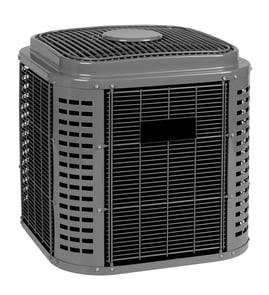
For your Icp central air conditioner model CA9636VKA1, the fastest way to find the correct replacement parts is to match the exact model number on the unit’s data plate, then choose the part from the CA9636VKA1 parts list so the electrical ratings and fit are correct.
- Confirm the model number CA9636VKA1 on the outdoor condenser unit label.
- Identify the system symptom (no cooling, fan not running, won’t start, buzzing).
- Locate the matching part category (electrical controls, fan, capacitor, service valves).
- Compare the part name and ID to what you need before ordering.
- If you are troubleshooting, test safely with proper tools before replacing parts.
These are frequently involved when the outdoor unit will not start, the condenser fan will not run, or the unit short-cycles:
| Symptom | Likely area | Example part on this model page |
|---|---|---|
| Outdoor unit won’t start | Switching/control | Fan control 1053553 |
| Fan not spinning, compressor runs | Fan motor/blade | Central air conditioner condenser fan motor 1053217 |
| Hums, struggles to start | Run capacitor | Cap rnrd TRCFD505 |
- Turn off power at the disconnect and breaker before opening the condenser panel.
- Look for burned wires, loose spade connectors, or overheated terminals.
- Check the condenser fan blade for wobble, rubbing, or damage.
- If you suspect an electrical issue, use a meter correctly before replacing components.
Helpful DIY references we use:
- How to use a multimeter to test electrical parts video
- How to tell if a fuse is blown
- How to repair broken or damaged wires video
Central air conditioner parts are not “one size fits all”. Matching the CA9636VKA1 model and selecting the exact control, motor, or capacitor helps prevent incorrect voltage or microfarad ratings, nuisance failures, and repeat service calls.
Last updated: February 2026
What is the average cost to replace a central AC unit?
Replacing a central AC unit typically costs about $6,000 on average, with many full replacements landing in the $1,500 to $12,500 range depending on system size (tons/BTU), efficiency (SEER2), ductwork condition, electrical upgrades, and local labor rates. For your Icp CA9636VKA1, the exact total depends on what is being replaced and what your home needs.
- System size and capacity (larger homes need larger condensers and coils)
- Efficiency level (SEER2) and any required matching indoor coil changes
- Ductwork repairs or modifications (leaks, resizing, adding returns)
- Electrical and code updates (disconnect, breaker, wiring, pad, surge protection)
- Refrigerant-related work (line set condition, evacuation, charging)
- Labor rates and access (tight installs, rooftop, long line sets)
If your CA9636VKA1 is not cooling, a repair can sometimes restore operation for far less than a full replacement, especially when the issue is electrical or airflow-related.
| Option | Best when | Typical scope |
|---|---|---|
| Repair | Unit is otherwise in good shape and failure is isolated | Replace a failed electrical or fan component, test, and restart |
| Replace outdoor unit only | Outdoor section is failing but indoor coil is compatible | New condenser, possible line set work |
| Full system replacement | Multiple major issues or efficiency upgrade goals | New condenser + indoor coil (and sometimes furnace/air handler) |
These are frequent failure points on outdoor condensers and are available for CA9636VKA1:
- Central air conditioner condenser fan motor 1053217 (fan not spinning, overheating shutdowns)
- Fan control 1053553 (fan cycling issues, control failures)
- Cap rnrd TRCFD505 (hard starting, humming, fan or compressor struggling)
- Contactor (pitted contacts, intermittent no-start; verify specs before ordering)
A central AC replacement quote often includes more than the equipment. Knowing whether the problem is a single failed part (like a capacitor, contactor, or condenser fan motor) helps you decide if a targeted repair makes sense before committing to a full system changeout.
Last updated: February 2026
What is the average lifespan of a central air conditioning unit?
Most central air conditioning units last 15 to 20 years with normal use and regular maintenance. For an Icp CA9636VKA1 central air conditioner, reaching the high end of that range depends on keeping airflow unrestricted and the outdoor unit’s electrical and fan components operating correctly.
- 15 to 20 years: common for modern central AC systems with routine upkeep
- 10 to 12 years: common when maintenance is skipped or the system runs under heavy strain
- Earlier replacement: more likely with chronic overheating, repeated electrical failures, or long-term airflow restrictions
These are the most common conditions that reduce service life:
- Dirty air filter or restricted return air (low airflow)
- Outdoor condenser coil packed with debris (poor heat transfer)
- Frequent hard starts (electrical wear)
- Overheating from a weak condenser fan motor or damaged fan blade
- Loose or burned electrical connections in the outdoor unit
- Replace or clean the air filter on schedule (often every 1 to 3 months)
- Keep vegetation and debris away from the outdoor condenser
- Gently rinse the outdoor coil (power off first)
- Confirm the condenser fan starts quickly and runs smoothly
- Schedule seasonal electrical and refrigerant checks as needed
If your system is aging, these parts are often involved in “no cool” or “won’t start” problems:
| Part | What it does | Common symptom when failing |
|---|---|---|
| Central air conditioner condenser fan motor 1053217 | Moves air across the condenser coil | Overheating, shutdowns, weak cooling |
| Fan control 1053553 | Controls fan operation | Fan not running, intermittent operation |
| Cap rnrd TRCFD505 | Helps motors start and run | Humming, hard starts, fan not spinning |
Once a central AC is in the 15 to 20 year range, repeated “no start” or overheating issues usually point to age-related wear. If it is younger, correcting airflow and fan or electrical problems often restores reliable cooling.
Last updated: February 2026
What is the most expensive part to replace on an AC unit?
On most central air conditioners (including Icp model CA9636VKA1), the compressor is typically the most expensive single component to replace because it is the core of the refrigerant system and the repair often includes significant labor and refrigerant handling.
- Compressor: highest part cost; labor-intensive sealed-system work
- Condenser coil: expensive coil plus refrigerant recovery and recharge
- Control board/inverter (on some systems): costly electronics and diagnostics
- Refrigerant leak repair: cost varies widely based on access and leak location
- Fan motor: moderate-to-high cost; can be a major repair on some models
Even when the compressor is the most expensive overall, common “big ticket” repairs on the outdoor unit often involve the fan and electrical controls. Examples from the CA9636VKA1 parts list include:
| Part type | What it affects | Typical symptom when failing |
|---|---|---|
| Compressor | Cooling and refrigerant circulation | Hums/trips breaker, no cooling, hard start |
| Condenser fan motor | Heat rejection at outdoor unit | Outdoor fan not spinning, overheating shutdown |
| Contactor/capacitor | Starting and power switching | Clicking, intermittent start, buzzing |
- Compare repair total (parts + labor) to the unit’s age and overall condition
- If the compressor is involved, get a firm diagnosis first; misdiagnosis is common
- If the issue is electrical (contactor, capacitor, fan control), repairs are often more cost-effective
The “most expensive part” question is really about risk: compressor and sealed-system repairs carry the highest cost and the highest chance that other wear issues show up soon after.
Last updated: February 2026