


Where is the model number on a Craftsman tiller?
On a Craftsman tiller like model 917298331, the model number is printed on a product ID label (a sticker or metal tag) attached to the tiller frame. On many front-tine units, it’s easiest to spot around the tine shield/guard area or near the engine and fuel tank.
Common places to check on a front-tine tiller
Look for a rectangular label with the model number and sometimes a serial number. Check these spots first:
- On the tine guard (tine shield) near the front
- On the main frame rail near the tines
- Near the engine mounting area
- On or near the fuel tank support/bracket area
- Near the handlebar base where the handles bolt to the frame
How to find it fast (and avoid misreading it)
Dirt and vibration can make the label hard to read. Use this quick process:
- Wipe the area with a rag; use mild cleaner if it’s oily
- Use a flashlight and look at an angle to see faint printing
- Take a phone photo and zoom in to confirm each digit
- Write it down exactly as shown (for example, 917298331)
Why the model number matters
We use the model number to match the correct Craftsman parts list for your tiller, including hardware and tine components. Even small differences between similar models can change which shoulder bolts, nuts, or tines fit.
| What you’re looking for | What it’s used for |
|---|---|
| Model number (example: 917298331) | Identifies the exact tiller version for parts lookup |
| Serial number (if shown) | Helps distinguish production runs and revisions |
Related parts you may see near the label
If you’re already inspecting the tine area, these common items are often nearby:
Last updated: February 2026
Does Craftsman make tillers?
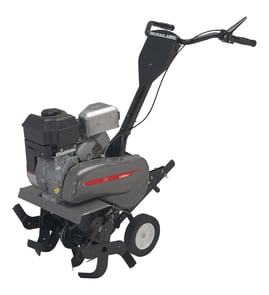
Yes. Craftsman makes tillers and tiller/cultivator models, including front-tine tillers like model 917298331.
What this means for your 917298331 tiller
Because Craftsman produces tillers, you can typically maintain and repair your 917298331 using standard tiller service parts such as tines, fasteners, and linkage hardware.
Common parts you may replace over time include:
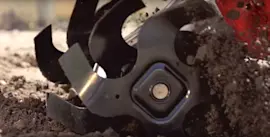
- Tines (worn, bent, or cracked from rocks and roots)
- Nuts and bolts (loosened, rusted, or stripped)
- Pins and brackets (worn holes, missing clips, misalignment)
- Keys (sheared from shock loads)
Parts we commonly see needed on this model
These are examples of parts available for Craftsman 917298331 that support normal wear-and-tear repairs:
| Part type | Example on this model | What it helps with |
|---|---|---|
| Tine | Outer tine, left 583017601 | Restores digging performance and tine balance |
| Fastener | Tiller shoulder bolt 532121117 | Secures rotating or pivoting assemblies |
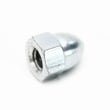
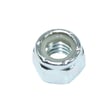
| Hardware | Tiller cap nut 583644101 | Helps keep assemblies tight and protected |
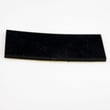
| Drive/engagement wear item | Idler pad 532109227 | Helps maintain proper belt engagement |
Why it matters
Knowing Craftsman makes tillers helps you shop confidently by model number (917298331) so you get parts that match your specific front-tine tiller configuration.
For more DIY help on typical tiller repairs and maintenance, use our tiller common questions article.
Last updated: February 2026
Are Craftsman tillers any good?
Craftsman tillers (including the Craftsman 917298331 front-tine tiller) are a solid choice for typical home garden work when they are maintained and set up correctly. Most performance complaints come from worn tines, loose hardware, or drive issues that are fixable with routine service and the right replacement parts.
What “good” looks like for a front-tine tiller
A front-tine tiller is built for lighter to moderate soil work, garden bed prep, and mixing in compost. In that role, Craftsman models are generally valued for straightforward controls and easy-to-service designs.
You will usually be happy with a Craftsman tiller if you need:
- Seasonal garden bed cultivation and soil mixing
- Moderate tilling depth in previously worked soil
- A machine you can keep running with basic maintenance (tines, fasteners, belts)
Common issues that affect performance (and what to check)
If a Craftsman tiller feels “weak” or hard to control, these are the most common causes:
- Worn or bent tines: Dull tines bounce and skate instead of digging; replace damaged tine sets.
- Loose tine hardware: Missing or loose fasteners can cause vibration and poor tine tracking.
- Drive engagement problems: Slipping drive components can make the tiller surge or stall under load.
- Soil conditions: Rocky, root-filled, or very dry clay will overwhelm any front-tine unit.
- Depth and technique: Taking shallow passes first reduces strain and improves results.
For step-by-step guidance, use our DIY guide: how to replace the tines on a front tine tiller.
Parts that often restore “like-new” tilling
On the Craftsman 917298331, these parts commonly matter when you’re addressing looseness, vibration, or tine wear:
| Symptom | What it often points to | Example part for this model |
|---|---|---|
| Poor digging, bouncing, uneven till | Worn or damaged tine | Outer tine, left 583017601 |
| Rattling at tine area, hardware won’t stay tight | Worn fastener or missing locking hardware | Tiller shoulder bolt 532121117 |
| Excess play at tine mounting points | Nut backing off or damaged | Tiller cap nut 583644101 |
Why it matters
A tiller can feel “bad” even when the engine is fine. Sharp tines and tight, correct hardware let the machine pull itself into the soil; that improves depth, reduces operator effort, and prevents premature wear on the drive system.
Last updated: February 2026