 Owner’s manual
 Error Codes




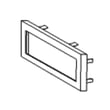
Why is the light not working on my Bosch refrigerator?
On the Bosch B21CL81SNS, a non-working interior light is usually caused by a sticking door light switch or a failed LED light module. Start by confirming the refrigerator has power, then check that the compartment light switch moves freely when you press and release it.
Quick checks (fastest fixes first)
- Make sure the power cord is fully plugged in and the outlet has power.
- Reset the house circuit breaker or replace the fuse if it tripped or blew.
- Open the refrigerator door and press the lamp switch; it should click and spring back.
- Check for a stuck switch caused by spills, ice, or food packaging rubbing it.
- If the switch moves normally but the light stays off, the LED module is the likely failure.
What the manual says for this model
The B21CL81SNS has a dedicated switch for the refrigerator compartment lamp, and the troubleshooting table calls out two common causes when the interior light does not work: a sticking light switch or a defective LED bulb/module. Use the B21CL81SNS owner's manual to locate the lamp switch and follow the “LED light” guidance for replacement.
Troubleshooting guide
| Symptom | Most likely cause | What to do next |
|---|---|---|
| No display, no interior light, not cooling | No power to refrigerator | Check cord, breaker/fuse, outlet power |
| Cooling normally, interior light off | Sticking light switch | Press/release switch; clean around it |
| Cooling normally, switch feels normal | Defective LED module | Replace the LED light module (model-specific part) |
Why it matters
A working interior light is more than convenience; it also helps you confirm the door is opening and closing normally and that the door switch is operating correctly, which can affect cooling performance and temperature stability.
Last updated: February 2026
How to reset a Bosch refrigerator ice maker?
On the Bosch B21CL81SNS, the most reliable “reset” is to switch the ice maker off and back on using the Ice Maker On/Off button, then allow time for the unit to reach set temperature and restart the ice cycle. Follow the exact steps in the B21CL81SNS owner's manual.
Quick reset steps (works for most ice maker glitches)
- Confirm the refrigerator is connected to the water supply.
- Make sure the ice storage box is installed and locked in position.
- Press Ice Maker On/Off to turn the ice maker off.
- Wait about 30 seconds.
- Press Ice Maker On/Off to turn the ice maker on (button lamp should light).
- Keep the freezer set to 0°F (-18°C) and avoid frequent drawer openings while it restarts.
What to expect after resetting
It is normal to hear the ice maker motor and water valve sound after the ice maker has been on for a while; ice production can take longer if the freezer drawer is opened often.
| After reset | What it means | What to do |
|---|---|---|
| No ice right away | Unit is cooling back to set temp | Give it several hours |
| Cubes stick together or crush | Normal operation | Break up clumps, keep bin seated |
| First batch after first-time use | Hygiene guidance | Discard first 30 to 40 cubes |
If you turned the ice maker off for a while
If the ice maker has been off for an extended period, we recommend cleaning the ice cube box and ice storage box before turning it back on.
- Remove the ice cube box and rinse with warm water (below 140°F / 60°C).
- Do not use detergent.
- Air-dry completely so no water droplets remain.
Why it matters
Resetting the ice maker correctly helps restore normal cycling without forcing parts; it also prevents odor issues and reduces the chance of abnormal operation caused by moisture left in the ice cube box.
Last updated: February 2026
How do I turn on the ice maker on my Bosch 800 series refrigerator?
To turn on the ice maker on your Bosch refrigerator model B21CL81SNS, make sure the ice storage box is installed and locked, then press the Ice Maker On/OFF button until its indicator light turns on. Ice production begins after the freezer reaches the set temperature.
Steps to switch the ice maker on
- Confirm the refrigerator is connected to the home water supply.
- Pull out the upper freezer drawer and verify the ice storage box is fully seated.
- Lock the ice storage box in position (it must be properly engaged).
- Press Ice Maker On/OFF.
- Check that the button lamp (indicator) lights up.
- Allow time for the first harvest; you may hear the water valve/motor sound later.
What to expect after you turn it on
It is normal for the ice maker to take time to start. After about 2 hours, you may hear the motor and water valve sound as it fills; that sound is normal. Ice making can slow down if the freezer drawer is opened frequently.
| Situation | What it means | What to do |
|---|---|---|
| Indicator light is on | Ice maker is enabled | Wait for freezer to reach temperature |
| No ice yet | Unit is still cooling or filling | Give it several hours; limit door openings |
| First batch of cubes | Not recommended to use | Discard the first 30 to 40 cubes |
Hygiene and first-use tip
When using the ice maker for the first time, we recommend discarding the first 30 to 40 ice cubes for hygiene.
Why it matters
If the ice storage box is not installed and locked, the ice maker may not cycle correctly. Also, the ice maker only works when the refrigerator is connected to a water supply, so confirming water flow prevents “no ice” troubleshooting later.
For the exact control location and model-specific notes, follow the steps in the B21CL81SNS owner’s manual.
Last updated: February 2026
What is the most common problem with a Bosch fridge freezer?
The most common problem we see with Bosch fridge freezers like model B21CL81SNS is a cooling or temperature consistency issue (food too warm or too cold). In many cases, the root cause is airflow or sealing related, such as doors not closing properly, drawers out of position, or dirty components that reduce cooling performance.
Most common symptoms customers notice
- Fresh food section warms up while the freezer seems OK
- Freezer temperature rises and ice cream gets soft
- Food freezes in the refrigerator compartment
- Frost buildup that reduces airflow
- The unit runs longer than normal or seems noisy
Quick checks that fix many “not cooling right” complaints
Use these steps first because they match common causes called out in the troubleshooting section of the B21CL81SNS owner’s manual.
- Confirm the doors close fully; re-seat bins and drawers so nothing hits the door
- Inspect and clean the door seals; wipe the gasket and mating surface so it can seal
- Level the refrigerator so doors self-close properly (a common reason for warm temps)
- Adjust temperature settings if food is freezing or too warm
- Make sure vents are not blocked by food packages (air must circulate)
- Check for power issues if the display and lights are out (cord, breaker, outlet)
Cooling issue cheat sheet
| What you observe | Most likely cause | What to do first |
|---|---|---|
| Food too warm | Door not sealing or not closing | Level unit; clear drawer/bin interference; clean seals |
| Food too cold | Temperature set too low | Raise the set temperature |
| No lights or display | Power supply problem | Plug in cord; reset breaker; verify outlet power |
| Ice maker or water issues | Kinked line, water supply off, low pressure | Straighten line; open shutoff; verify pressure |
When a part is commonly involved
If basic checks do not restore stable temperatures, the issue often moves from “setup/airflow” to “control or cooling system.” A common suspect is the main control, especially when temperatures swing or the unit behaves inconsistently; for this model, that can involve the refrigerator electronic control board 11016442.
Why it matters
Temperature problems shorten food life and can lead to frost buildup, longer run times, and higher energy use. Catching a door-seal or leveling issue early prevents repeat warm-ups and helps the refrigerator maintain steady airflow.
Last updated: February 2026
Why is my ice maker not making ice but water works?
If your Bosch B21CL81SNS ice maker is not making ice but the water dispenser works, the refrigerator is getting water but the ice maker is likely switched off, the ice storage box is not seated/locked, the freezer is not at temperature yet, or the water line feeding the ice maker has low pressure or a kink. Confirm the ice maker is turned on and the freezer is set to 0°F.
Quick checks we recommend first
- Press the Ice Maker On/OFF button; the button lamp should light.
- Make sure the ice storage box is in place and locked (the ice maker stops when it is full or not positioned correctly).
- Verify the freezer is cold enough; the display target for ice maker operation is typically 0°F (-18°C).
- Check the water supply line behind the refrigerator for kinks; straighten the line with the water shut off.
- Confirm household water pressure is adequate; low pressure can feed the dispenser but not reliably fill the ice maker.
- If this is first-time use, wait for the unit to reach set temperature; ice production starts after it cools down.
What to expect when it is working normally
The ice maker can produce about 2.8 to 3.3 lb (1.3 to 1.5 kg) of ice per 24 hours, depending on freezer temperature, room temperature, and how often the drawer is opened.
| Situation | What you will notice | What to do |
|---|---|---|
| Ice maker just turned on | Motor/valve sound may occur after a couple hours | Let it run; this is normal |
| Ice bin full | Ice production stops automatically | Empty some ice and re-seat the bin |
| First batch after install | First cubes are not ideal for use | Discard the first 30 to 40 cubes |
Why it matters
When the dispenser works, it proves the refrigerator has a water supply, but the ice maker still depends on correct bin position, proper freezer temperature, and enough pressure through the dedicated fill path. Fixing those basics prevents irregular cubes, leaks, and slow ice production.
Helpful references
Last updated: February 2026





