Should I spray my snowblower with WD-40?
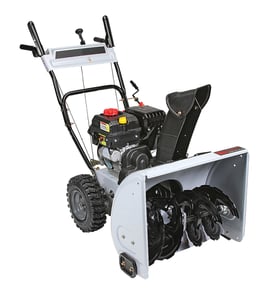
Yes, you can use a light spray on your Murray 629104X87 snow blower to help snow slide through the chute and to reduce surface rust, but we only recommend applying it to cold, non-friction metal surfaces (not belts, friction disc areas, pulleys, or hot engine parts).
Use a light coat, then wipe off any excess so it does not attract grit.
- OK: discharge chute interior and chute deflector
- OK: auger housing interior (light coat)
- OK: impeller area you can safely reach with the engine off
- Avoid: belts, pulleys, idlers, and any drive/friction disc surfaces
- Avoid: brake components (if equipped) and cable contact points that need dry movement
- Avoid: muffler, cylinder head, and any hot engine surfaces
WD-40 can work as a short-term water-displacing protectant, but for snow shedding, a silicone-based spray is typically cleaner and longer-lasting.
| Option | Best for | Notes |
|---|---|---|
| Silicone spray | Preventing snow from sticking | Usually the best all-around choice for chute and housing |
| Dedicated snowblower non-stick spray | Maximum snow shedding | Designed for cold temps and repeated use |
| WD-40 type water-displacing spray | Light rust protection and short-term slickness | Can attract dirt if overapplied |
| Cooking spray | Quick, temporary slickness | Wears off fast; can get gummy over time |
- Shut the engine off, remove the key (if equipped), and let everything cool.
- Brush out packed snow and ice; dry the chute and housing.
- Spray a thin coat on the chute and auger housing; avoid overspray near the drive system.
- Let it sit a few minutes, then wipe drips and puddles.
- Reapply as needed, especially in wet, sticky snow conditions.
Keeping the chute and auger housing slick helps reduce clogging and improves throwing distance, while avoiding the drive components prevents slipping, belt damage, and loss of traction.
For related maintenance that improves performance and longevity, follow our DIY steps in how to make your snowblower last longer.
Last updated: February 2026
What is the typical lifespan of a gas snowblower?
A gas snowblower typically lasts 10 to 15 years with normal residential use and basic maintenance. Well-maintained machines can reach 15 to 20 years. For your Murray 629104X87 gas snowblower, lifespan depends most on fuel care, oil changes, and keeping the drive and auger systems adjusted and lubricated.
- 10 to 15 years: Most gas snowblowers with regular seasonal use
- 15 to 20 years: Units that get consistent maintenance and proper off-season storage
- Under 10 years: Common when fuel is left untreated, oil is neglected, or the machine is run with worn belts, skid shoes, or shear pins
| Usage and care level | Typical lifespan | What usually ends it first |
|---|---|---|
| Light use, good maintenance | 15 to 20 years | Wear items (belts, friction disc, bearings) |
| Average use, average maintenance | 10 to 15 years | Carburetor/fuel issues, drive wear |
| Heavy use, minimal maintenance | 5 to 10 years | Drive system wear, corrosion, repeated clogging |
- Change engine oil on schedule and check the level before each storm
- Use fresh fuel and stabilize fuel before storage; drain or run the system dry if recommended for your setup
- Keep the auger and impeller clear of packed snow and debris (shut off engine and wait for all movement to stop)
- Inspect and replace worn wear items early (belts, skid shoes, shave plate, shear pins)
- Lubricate moving points to prevent rust and binding, especially after wet, salty conditions
Most “snowblower failures” that shorten lifespan are preventable: stale fuel can gum up the carburetor, and dry or misadjusted drive components can wear quickly. A little preseason and post-season care keeps your Murray 629104X87 starting easier, throwing snow farther, and driving smoothly.
For maintenance routines that directly impact longevity, follow our step-by-step videos: how to change snowblower oil video and how to make your snowblower last longer.
Last updated: February 2026
Which snowblower brand is most reliable?
For long-term reliability, we see the best results from brands with strong dealer support, proven engines, and readily available wear parts. Ariens and Toro are consistently dependable for gas snow blowers; Honda is also extremely durable. For cordless, EGO is a common reliability leader.
Reliability is less about one perfect brand and more about build quality plus maintenance. The biggest drivers are engine care, belt and friction drive condition, and shear pin protection.
- Consistent cold starts (good fuel, clean carburetor, healthy spark)
- Strong auger and drive engagement (belts, cables, friction wheel)
- Corrosion resistance (proper storage, lubrication)
- Easy access to common service parts (belts, skid shoes, shave plate)
- Stable chute control operation (cables, control rod adjustment)
| Brand | Typical strengths | Best fit for |
|---|---|---|
| Ariens | Heavy-duty two-stage build, strong drivetrains | Deep snow, long driveways |
| Toro | Excellent single-stage performance; strong two-stage lineup | Mixed snow, frequent use |
| Honda | Premium durability and engineering | Maximum longevity, heavy use |
| EGO | Strong cordless ecosystem; low routine maintenance | Moderate snow, quieter operation |
Even if you are comparing brands, the snow blower you already own lasts longer when you stay ahead of the basics.
- Change engine oil on schedule and use the correct oil type for winter temps
- Check and replace the spark plug when starting gets harder
- Inspect belts each season for glazing, cracking, or slipping
- Lubricate the drive hex shaft and wheel hubs to prevent sticking and poor drive
- Keep skid shoes and the shave plate adjusted so you do not grind the housing on pavement
A good next step is following our DIY walkthroughs like how to make your snowblower last longer and how to check a snowblower spark plug video.
A “reliable” snowblower is one that starts when it is cold, throws snow without clogging, and drives without slipping. Those outcomes depend as much on fuel quality, lubrication, and wear-part condition as the name on the housing.
Last updated: February 2026
What are common gas snow blower problems?
Common problems on a Murray gas snow blower like model 629104X87 fall into three buckets: starting/running issues (fuel, spark, carburetor), drive and auger problems (belts, shear pins, cable adjustments), and poor snow discharge (clogs, worn scraper or skid shoe setup). Most are fixable with basic inspection and maintenance.
- Won’t start or starts then dies: stale fuel, clogged carburetor jet, dirty spark plug, choke not set, safety key missing
- Runs rough or surges: partially clogged carburetor, water in fuel, dirty air intake, governor linkage sticking
- Auger or impeller won’t turn: broken/missing shear pins, belt off or worn, auger control cable out of adjustment, ice jam
- Unit won’t drive or slips: worn drive belt, friction wheel wear, drive cable out of adjustment, drive hex shaft dry
- Throws snow poorly or clogs chute: wet snow packing, chute packed with ice, engine not at full RPM, scraper bar or skid shoes set too high
- Excessive vibration or noise: loose fasteners, damaged auger, bent impeller, missing shear pins causing imbalance
- Fuel: drain old gas and refill with fresh fuel; open the fuel shutoff (if equipped).
- Spark: inspect and clean/replace the plug; confirm the plug wire is firmly seated (see how to check a snowblower spark plug video).
- Ice/debris: shut off engine, remove key, wait for all movement to stop; clear packed snow from auger housing and chute.
- Shear pins and belts: verify shear pins are intact and belts are not broken or slipping.
- Controls/cables: confirm auger and drive levers fully engage; adjust if engagement is weak.
| Problem | Most common fix | Skill level |
|---|---|---|
| Won’t start | Fresh fuel, spark plug service | Easy |
| Auger won’t spin | Replace shear pins; clear jam | Easy to medium |
| No drive | Adjust drive control; service friction wheel | Medium |
| Poor throwing | Clear chute; run at full throttle; adjust skid shoes | Easy |
Catching issues early prevents bigger failures, like belt damage from ice jams or drivetrain wear from running a dry drive hex shaft (see how to lubricate a snowblower drive hex shaft video).
Last updated: February 2026