Owner’s manual
 Error Codes




What is the average lifespan of an electric hot water tank?
Most electric tank-style water heaters last 10 to 15 years on average. For a Kenmore 153321544 electric water heater, regular maintenance (especially checking the anode rod and controlling scale buildup) is what most often determines whether you land closer to 10 years or closer to 15.
What affects lifespan the most
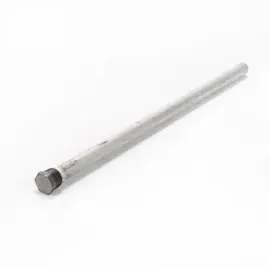
- Anode rod condition: the anode rod sacrifices itself to protect the tank from corrosion.
- Water quality: hard water and aggressive water chemistry speed up corrosion and scale.
- Temperature setting: hotter settings can increase wear and anode depletion.
- Sediment and scale: mineral buildup can cause rumbling and reduce heating efficiency.
- Usage level: high hot-water demand increases cycling and component wear.
Maintenance that helps you reach the high end of the range
Use the guidance in the 153321544 owner’s manual and focus on these habits:
- Inspect the anode rod periodically and replace it when significantly depleted.
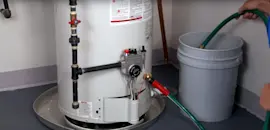
- Flush or drain the tank as needed to reduce sediment (especially in hard-water areas).
- Keep access panels and insulation properly reinstalled after any service.
- Verify the tank is completely full of water before restoring power after service.
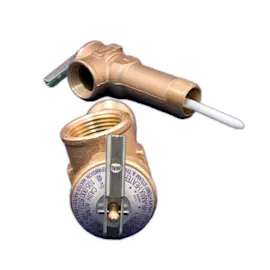
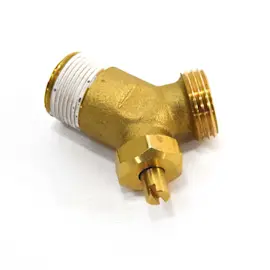
- Address leaks promptly at fittings, the drain valve, or the temperature and pressure relief valve.
Common “wear items” vs. “end of tank life”
| What you notice | Most common cause | Typical fix |
|---|---|---|
| No hot water or slow recovery | Failed heating element or thermostat | Replace element or thermostat |
| Rumbling or popping | Scale on heating elements | Flush tank; inspect elements |
| Rotten egg smell | Anode rod reaction with water | Replace anode rod; treat water |
| Water around heater | Fitting/valve leak or tank leak | Tighten/repair fitting; replace valve; replace heater if tank is leaking |
Why it matters
A tank usually fails from internal corrosion after the protective anode rod is used up. Replacing parts like a thermostat or heating element can restore heat, but it will not stop a corroding tank from eventually leaking.
Last updated: January 2026
How do I read my water heater model number?
For Kenmore electric water heater model 153321544, the model number is printed on the model rating plate (the sticker/label on the tank). Use that exact model number when ordering parts or checking electrical specs; the rating plate also lists voltage and wattage information.
Where to find the model number on the tank
On this style of Kenmore water heater, the rating plate is typically located near the lower access panel. The manual also references the rating plate location adjacent to the lower access area. Check the 153321544 owner's manual.
- Look for a rectangular label that includes MODEL NUMBER and SERIAL NUMBER
- Check near the lower front of the tank, close to the access panel(s)
- Wipe dust off the label so the characters are easy to read
- Write the model number exactly as shown (no extra spaces)
- Take a clear photo of the label for future reference
What the rating plate tells you (and what matters most)
The model number identifies the exact design of your water heater so you get the right heating element, thermostat, gasket, and other parts.
| Rating plate item | What it’s used for | Why it matters |
|---|---|---|
| Model number | Parts lookup and diagrams | Ensures correct fit |
| Serial number | Manufacturing details | Helps match revisions |
| Voltage | Electrical compatibility | Prevents wiring damage |
| Wattage | Element sizing | Prevents overheating and failures |
Why it matters for repairs and parts
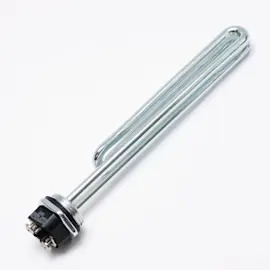
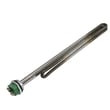
We use the model number to match parts that must meet the rating plate requirements. For example, replacement heating elements must match the correct voltage and be no greater wattage than listed on the rating plate. If you’re replacing an element, the water heater heating element, 3,800-watt 100108346 is one of the listed options for this model.
Quick safety reminder before checking labels or panels
If you remove an access panel to view the rating plate more clearly, turn the electrical supply OFF first and follow the safety steps in the 153321544 owner's manual.
Last updated: January 2026
How do I know if my electric water heater element is bad?
If your Kenmore 153321544 electric water heater has no hot water, lukewarm water, or very slow recovery, a failed heating element is a common cause. The sure way to confirm is to shut off power and test the element with a multimeter for proper resistance and continuity, as outlined in the 153321544 owner's manual.
Symptoms that point to a bad heating element
These signs often show up when an upper or lower element is burned out or scaled over:
- No hot water at all (often points to the upper element on a two-element heater)
- Hot water runs out quickly (often points to the lower element)
- Long heat-up times, especially in cold weather
- Breaker trips or fuses blow when the heater tries to heat
- Popping or sizzling noises (sediment on the element)
How we test an element (safe, reliable method)
Before removing panels or touching wiring, turn the electrical supply OFF and keep it OFF until testing is complete. Also, never energize the heater until the tank is completely full of water (dry-firing can destroy a new element).
Basic checks we use:
- Continuity test: a good element shows continuity; an “open” reading indicates a failed element
- Resistance (ohms) test: compare the reading to what’s expected for the element’s wattage and voltage
- Short-to-ground test: check each terminal to the metal tank; any continuity indicates a grounded element
Typical resistance targets (240V elements)
| Element wattage | Typical resistance (ohms) | What it suggests |
|---|---|---|
| 3,800 W | ~15 Ω | Normal range for many Kenmore electric heaters |
| 5,500 W | ~10.5 Ω | Normal range if converted/using a higher-watt element |
Parts that commonly get replaced with the element
If you replace an element, we also recommend addressing sealing and related wear items:
- Water heater heating element, 3,800-watt 100108346 (common replacement element for this model)
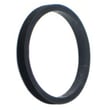
- Water heater heating element gasket 100108379 (prevents leaks at the tank fitting)
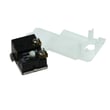
- Water heater thermostat, upper 100108683 or thermostat 100108421 (if temperatures fluctuate or heating is inconsistent)
Why it matters
A weak or failed element wastes energy, reduces hot water capacity, and can lead to nuisance breaker trips. Catching it early also helps prevent leaks at the element seal and avoids damaging a replacement element by powering the heater before it is full.
Last updated: January 2026