Error Codes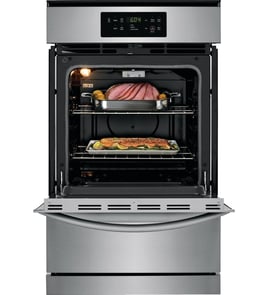

How much does a 27 inch wall oven weigh?
A typical 27-inch built-in wall oven weighs about 120 to 180 lb. For the Caloric RXS214 gas built-in oven, the exact weight depends on the specific chassis and insulation used, so we use this common range for planning removal, installation, and cabinet support.
Typical weight ranges (what to expect)
Most 27-inch wall ovens fall into these ranges:
- Electric single wall ovens: ~120 to 200 lb
- Gas wall ovens: ~130 to 220 lb (often heavier due to burner components)
- Older units (like many Caloric models): commonly in the mid-to-upper part of the range
| Oven type | Typical 27-inch weight | Notes |
|---|---|---|
| Electric single | 120 to 200 lb | Weight varies by insulation and door glass |
| Gas built-in | 130 to 220 lb | Adds gas valve, burner, and related hardware |
| Older designs | 140 to 220 lb | Heavier frames and thicker steel are common |
How to plan safely for moving or installing
Use these practical guidelines before you pull the oven from the cabinet:
- Plan for 2 people minimum; 3 is better if stairs or tight turns are involved.
- Turn off power at the breaker; many gas wall ovens still use 120V for ignition and controls.
- Shut off the gas supply valve and confirm there is no gas odor before moving the unit.
- Protect the floor and cabinet edges with cardboard or a moving blanket.
- Use a rated appliance dolly or lifting straps; avoid lifting by the door handle.
Why it matters
Weight affects cabinet support, safe handling, and whether you need extra help or tools. A wall oven that is even 20 to 30 lb heavier than expected can increase the risk of cabinet damage, pinched wiring, or a dropped unit during removal.
Helpful DIY reference
If you need to troubleshoot power or verify wiring before reinstalling, use how to use a multimeter to test electrical parts video.
Last updated: January 2026
What are the most common issues with RXS214?
The most common issues we see with the Caloric RXS214 gas wall oven involve heating problems (won’t heat or uneven baking), ignition failures, and temperature control drift. Many of these symptoms trace back to the igniter, gas valve operation, thermostat/temperature sensor, or loose wiring connections.
Most common symptoms and likely causes
- Oven won’t heat or takes too long to preheat: weak/hot-surface igniter, restricted gas flow, failing safety gas valve
- Bake is uneven or temperature is off: thermostat calibration drift, sensor issues (if equipped), poor door seal, blocked burner ports
- No ignition or intermittent ignition: worn igniter, dirty burner, loose wire connection, failing control/thermostat
- Gas smell when trying to bake: delayed ignition from a weak igniter, burner not lighting cleanly
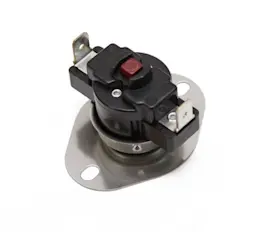
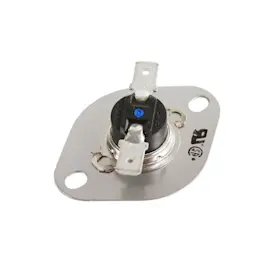
- Oven shuts off during use: overheating safety device, failing thermostat, electrical connection problem
Quick checks we recommend (safe, no special tools)
- Confirm the gas supply is on and other gas appliances work normally.
- Watch the ignition sequence: the igniter should glow and the burner should light within about 30 to 90 seconds.
- Check for a weak flame or delayed ignition (a common sign of a failing igniter).
- Inspect the oven door gasket for gaps, tears, or areas that are flattened.
- Look for obvious wiring issues (burn marks, loose spade connectors) after power is off.
Troubleshooting guide by symptom
| Symptom | Most common culprit | What to do next |
|---|---|---|
| No heat | Igniter | Verify glow; replace if weak/delayed lighting |
| Slow preheat | Igniter or gas valve | Check ignition timing; inspect burner flame |
| Too hot/too cool | Thermostat/sensor | Use an oven thermometer; recalibrate if possible |
| Uneven baking | Door gasket or burner | Check gasket seal; clean burner ports |
Why it matters
Gas ovens like the RXS214 rely on a strong igniter to open the safety gas valve; when the igniter weakens, you get slow preheat, no heat, or delayed ignition. Addressing ignition and temperature control issues early improves cooking results and helps prevent nuisance shutdowns.
When to use a meter or wiring diagram
If you’re comfortable with electrical testing, a multimeter helps confirm power to the igniter and continuity through safety devices. Our DIY resources can help you work safely and accurately: how to use a multimeter to test electrical parts video, how to tell if a fuse is blown.
Last updated: March 2026
Why are wall ovens electric?
Most wall ovens are electric because electric heating elements make it easier to hold a steady temperature and distribute heat evenly for baking. Your Caloric RXS214 is a gas built-in oven, so gas wall ovens do exist; they are simply less common than electric models.
Electric vs. gas wall ovens: what drives the choice
Wall ovens are often designed around electric heat because it simplifies temperature control and installation in many kitchens. Gas wall ovens add requirements such as a gas supply line and combustion ventilation considerations.
- Temperature stability: Electric typically cycles more evenly for baking.
- Heat-up speed: Gas often preheats quickly and can respond fast to changes.
- Moisture in the oven cavity: Gas combustion can add moisture, which can affect browning.
- Installation needs: Electric needs the correct electrical circuit; gas needs a gas hookup (and proper shutoff access).
- Service patterns: Gas models commonly involve ignition and gas valve troubleshooting; electric models commonly involve elements and relays.
Quick comparison
| Feature | Electric wall oven | Gas wall oven (like RXS214) |
|---|---|---|
| Baking consistency | Strong | Good, can vary by burner design |
| Broiling | Strong, even radiant heat | Strong, often very intense |
| Utilities required | Electrical circuit | Gas supply plus electrical for controls/ignition |
| Common repairs | Element, control, wiring | Igniter, gas valve, burner, thermostat |
Why it matters for parts and troubleshooting
Knowing whether your wall oven is electric or gas helps you focus on the right systems. For example, a “no heat” complaint on a gas wall oven often points to ignition or gas flow, while an electric oven more often points to a failed element or control.
If your gas wall oven is not heating, check these first
- Confirm the gas shutoff valve is fully open
- Verify the oven is getting power (controls and igniter need electricity)
- Watch for igniter glow and listen for burner ignition
- Check for a tripped breaker or blown fuse feeding the oven
- Inspect wiring connections for heat damage
For safe electrical checks during diagnosis, use our how to use a multimeter to test electrical parts video.
Last updated: January 2026