 Installation guide
 Owner’s manual




What is the average life expectancy of a GE dishwasher?
Most GE dishwashers, including model GDF510PSJ6SS, typically last 10 to 12 years with normal household use and basic care. Consistent cleaning, correct detergent use, and fixing small leaks or drain issues early are the biggest factors that help you reach (or beat) that average.
What affects dishwasher lifespan the most
- Water quality: hard water speeds up mineral buildup on the heating system and internal parts.
- Maintenance habits: cleaning the interior and keeping spray paths clear reduces strain on the circulation system.
- Loading and detergent: overloading and excess detergent can lead to poor washing and residue that builds up over time.
- Heat and drying performance: weak heating can leave water behind, which can contribute to odors and buildup.
- Small leaks: even minor seepage can damage wiring and components if ignored.
Typical lifespan ranges (what we see most often)
| Usage pattern | Typical lifespan | Notes |
|---|---|---|
| Light use (few loads/week) | 12 to 15 years | Best results with regular cleaning and proper loading |
| Average use (daily or near-daily) | 10 to 12 years | Most common household range |
| Heavy use (multiple loads/day) | 8 to 10 years | More wear on pump, heater, and door components |
Maintenance that helps you get the full 10 to 12 years
We recommend following the cleaning guidance in the GDF510PSJ6SS owner’s manual and doing these basics:
- Run a monthly cleaning cycle using a dishwasher cleaner (or citric-acid style cleaner).
- Check that the spray arms spin freely and the holes are not clogged.
- Use a rinse aid if you see spotting or poor drying.
- Keep the door sealing surfaces clean to help prevent leaks.
- Address draining problems quickly (standing water is hard on the pump and can cause odors).
Why it matters
A dishwasher’s most expensive wear items are usually the wash system and controls. Simple upkeep helps protect key components like the circulation pump, heating element, and door latch so the dishwasher cleans and dries properly for more years.
Last updated: January 2026
How do you do a hard reset on a GE dishwasher?
For the GE GDF510PSJ6SS dishwasher, the most reliable “hard reset” is a power reset: turn the dishwasher’s power off at the breaker (or unplug it, if equipped) for about 1 to 5 minutes, then restore power and start a new cycle. Use the Start/Reset pad to cancel and restart when needed (see the GDF510PSJ6SS owner’s manual).
Hard reset steps (power reset)
- Turn the dishwasher OFF at the circuit breaker (preferred) or unplug the power cord if your installation uses a cord.
- Wait 1 to 5 minutes.
- Restore power.
- Select a cycle.
- Press Start, then close the door within the time window shown in the manual so the cycle begins.
Cancel a cycle (often fixes “stuck” behavior)
GE’s normal cancel procedure clears the current cycle and forces a drain.
- Press and hold Start/Reset for 3 seconds.
- Close the door.
- Let the dishwasher drain completely.
- Start a fresh cycle.
If you’re doing an install or troubleshooting after installation, the same Start/Reset cancel-and-drain step is also used during the wet test (see the GDF510PSJ6SS installation guide).
If it still won’t run after a reset
These checks solve most “has power but won’t start” complaints.
- Confirm the door is fully latched (a misaligned latch can prevent starting).
- Check for a tripped breaker or blown fuse.
- Look for a wall switch that controls dishwasher power (common near the disposer switch).
- If the control panel is locked, unlock it using the procedure in the manual.
- If the dishwasher beeps and stops when you open the door, press Start and close the door promptly to resume.
| Symptom | What to try first | What it points to |
|---|---|---|
| Lights on, won’t start | Power reset, then Start + close door | Door not latched, control not accepting input |
| Won’t cancel/drain | Hold Start/Reset 3 seconds | Control issue or drain restriction |
| Dead/no lights | Check breaker, wall switch | Power supply problem |
Why it matters
A power reset clears the electronic control’s temporary “memory” and can recover from a stalled cycle, keypad timing issues, or a paused state after a door-open event. Cancel-and-drain is the fastest way to safely stop a cycle and restart clean.
Last updated: January 2026
What is the most common problem with GE dishwashers?
The most common problems we see on GE dishwashers like model GDF510PSJ6SS are draining issues (clogged filter or drain path), “won’t start” complaints (power supply or door not latching), and wash performance problems caused by detergent, loading, or spray-arm blockage. Use the GDF510PSJ6SS owner’s manual for model-specific troubleshooting steps.
Most common issues and what to check first
- Not draining: check for standing water, a kinked drain hose, or a blocked sink/disposer connection.
- Won’t run: confirm the breaker is on, any wall switch feeding the dishwasher is on, and the door closes firmly.
- Suds in the tub: using the wrong detergent can cause suds and poor washing.
- Detergent left in the cup: tall utensils can block the dispenser from opening fully.
- Not drying well: often tied to cycle selection, rinse aid use, or heating performance.
Quick part checks for this model
If the basic checks point to a failed component, these are common suspects on GDF510PSJ6SS:
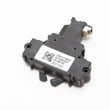
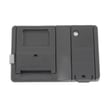
- Door won’t latch or starts then stops: GE dishwasher door latch lock WD21X10490 and dishwasher door latch strike WD13X10071
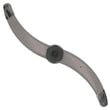
- Poor cleaning on lower rack: dishwasher spray arm, lower WD22X33499
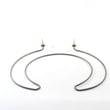
- Poor drying or water not heating: dishwasher heating element WD05X30818
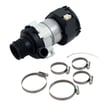
- No/weak wash action: dishwasher circulation pump WD26X23258
Symptoms to likely causes (fast guide)
| Symptom | Most likely area | First action |
|---|---|---|
| Water left in bottom | Drain path | Inspect drain hose routing and clogs |
| Lights on, won’t start | Power or latch | Check breaker, wall switch, then latch closure |
| Suds/overflow | Detergent | Use only automatic dishwasher detergent |
| Detergent still in cup | Loading/spray | Re-load so the dispenser is not blocked |
Why it matters
Drain clogs and loading or detergent mistakes can look like a “bad dishwasher,” but they are often quick fixes. Starting with the drain path, correct detergent, and proper door latching prevents repeat failures and helps protect parts like the pump and control.
For display faults or beeping patterns, we use the GE dishwasher error codes reference to match the symptom to the right circuit or component.
Last updated: January 2026
Is GE profile considered high end?
Yes. GE Profile is GE’s higher-end line compared with standard GE appliances; it typically adds more premium styling, upgraded controls, and feature-focused options. Your dishwasher model GDF510PSJ6SS is a standard GE model (not GE Profile), so it is not positioned in the Profile tier.
How GE Profile fits in GE’s lineup
GE uses different product lines to separate feature levels and styling.
- GE (standard): core features and value-focused designs
- GE Profile: more premium features, finishes, and controls
- GE Café / Monogram: higher-tier design-forward or luxury lines (varies by product)
Quick comparison (what you can expect)
| Line | Typical positioning | Common differences |
|---|---|---|
| GE | Mainstream | Essential cycles and options, straightforward controls |
| GE Profile | Higher-end | More feature options, upgraded interface, premium styling |
Why it matters for parts and repairs
Knowing the product line helps set expectations for control features and helps you match replacement parts correctly. For example, a standard GE dishwasher like GDF510PSJ6SS may use different control and wash-system components than a similarly sized GE Profile model.
Helpful next steps for GDF510PSJ6SS owners
If you are diagnosing performance or control issues, these checks save time:
- Confirm cycle selection and options in the GDF510PSJ6SS owner’s manual
- Look for standing water, poor spray, or debris that can affect cleaning
- If dishes are not getting clean, inspect the dishwasher spray arm, lower WD22X33499 for clogs or damage
- Use the GE dishwasher error codes guide if the dishwasher shows lights or error behavior
Last updated: January 2026





