Owner’s manual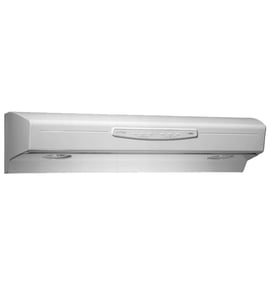



What is the life expectancy of a range hood?
A Kenmore range hood like model 23352545590 typically lasts 15 years (with a common overall range of 10 to 20 years). Lifespan depends most on how often you cook, how well grease is kept off the blower and filters, and whether the hood is installed and vented correctly per the 23352545590 owner’s manual.
Typical lifespan and what usually wears out first
Most range hoods fail from airflow and grease-related wear, not from the metal housing itself.
- Grease filters clog and restrict airflow if not cleaned regularly.
- Fan motor wear increases when grease builds up on the blower wheel and bearings.
- Controls and wiring can fail from heat, vibration, or grease contamination.
- Light components (socket, bulb holder, covers) can discolor or loosen over time.
| Component | Typical replacement timing | What you notice first |
|---|---|---|
| Grease filter | 6 to 24 months (cleaning extends life) | Weak airflow, more smoke lingering |
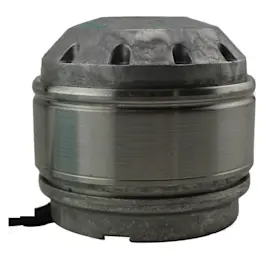
| Fan motor | 8 to 15 years | Noisy fan, slow fan, fan won’t start |
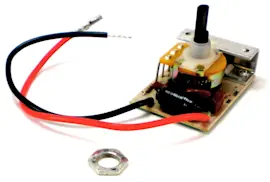
| Control board/switches | 8 to 15 years | Fan or lights intermittent |
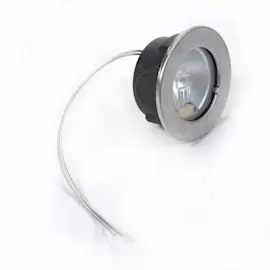
| Light socket/holder | 5 to 12 years | Flickering, loose bulb, no light |
Maintenance that extends life (and keeps performance up)
We recommend following the cleaning and use guidance in the manual and keeping grease from accumulating on the fan and filter.
- Run the hood before you start cooking and leave it on a few minutes after.
- Clean the grease filter on a routine schedule (more often with frying).
- Wipe the underside and intake area so grease does not migrate into the blower.
- Keep ducting clear and properly sized; restricted ducting makes the motor work harder.
- Use the correct bulbs and avoid higher-wattage bulbs that add heat.
Why it matters
A range hood can look “fine” for decades, but once grease buildup restricts airflow, the motor runs hotter and louder and fails sooner. Regular filter cleaning is the simplest way to protect the motor and keep smoke and odors moving out efficiently.
Last updated: January 2026
How often should range hood filters be changed?
For Kenmore range hood model 23352545590, we recommend cleaning the aluminum mesh grease filters about once a month and replacing non-ducted (charcoal-style) filters about every 6 months with normal use; heavier frying or wok cooking means more frequent service. See the 23352545590 owner's manual for the exact care schedule.
Recommended schedule (by filter type)
- Aluminum mesh grease filters (ducted or non-ducted setups): wash about monthly
- Non-ducted filters (used for recirculating/ductless operation): replace about every 6 months
- Cook more grease or high heat often: shorten the interval (filters load up faster)
- Light, occasional cooking: you may still want monthly checks to prevent buildup
| Filter type | What to do | Typical interval | Notes |
|---|---|---|---|
| Aluminum mesh grease filter | Clean (wash) | About every month | Hot water plus mild detergent; dishwasher-safe on many hoods |
| Non-ducted filter (recirculating) | Replace | About every 6 months | Wipe surface only; do not immerse or run through dishwasher |
Signs your filter needs attention now
- Grease film or sticky residue that returns quickly after cleaning
- Reduced airflow or smoke lingering longer than usual
- Fan seems louder because it is working against restriction
- Persistent cooking odors (common with non-ducted filters)
How to keep airflow strong (quick tips)
- Wash metal filters with hot water and mild detergent; let them dry fully before reinstalling.
- If you run ductless, install the non-ducted filter beneath the aluminum mesh filter as described in the manual.
- Run the hood while cooking, especially at high heat, to reduce grease accumulation.
- Keep the fan and filter area clean so grease does not build up on the blower.
Why it matters
A clean filter helps your Kenmore 23352545590 move air properly, reduces grease buildup inside the hood, and improves odor control. Regular filter maintenance also helps prevent the fan from becoming noisy or strained.
Last updated: January 2026
How to find range hood model number?
On the Kenmore range hood model 23352545590, the model number is printed on the appliance’s specification label. You’ll typically find that label on the top of the hood, on the underside near the front edge, or behind the grease filter area; check the label for the full model and electrical ratings.
Where to look first
- Top of the hood (often near the back, close to the wall or cabinet)
- Underside of the hood (near the light or control area)
- Behind the grease filter (remove the filter and look on the inner frame)
- Inside the wiring cover area (after power is off, some labels are nearby)
Quick steps to find it safely
- Turn the hood OFF; if you need to remove a filter or open a cover, switch power off at the breaker.
- Remove the grease filter and look for a sticker or metal plate on the inner housing.
- Check the underside and top surfaces with a flashlight.
- Write down the full model number and any additional codes on the label.
What the label usually includes
| Label item | What it helps with |
|---|---|
| Model number | Matching the correct Kenmore parts and diagrams |
| Electrical rating (often 120 VAC) | Confirming wiring and compatible components |
| Serial or production code | Identifying version changes within a model |
Why it matters
We use the exact model number to match the correct parts for your hood, such as the range hood wire harness S97007682 or control board S97011801. It also helps confirm installation requirements and safe wiring practices in the 23352545590 owner’s manual.
Last updated: January 2026
Should I use a 4 or 6 inch duct for range hood?
For the Kenmore 23352545590 range hood, use a 6-inch duct when you are venting the hood to the outdoors. A 6-inch duct matches common range hood airflow needs and aligns with the available 6-inch duct part for this model; a 4-inch duct is too restrictive.
What we recommend for model 23352545590
Use the ducting method and size shown in the 23352545590 manual, and keep the duct run efficient.
- Use 6-inch metal ductwork for ducted (outdoor venting) installations
- Avoid 4-inch duct because it increases restriction, noise, and grease buildup
- Keep the duct run short and straight with minimal elbows
- Seal joints with foil HVAC tape or mastic (not cloth duct tape)
- Vent ducted systems to the outdoors (not into an attic or wall cavity)
Quick comparison: 4-inch vs 6-inch duct
| Duct size | Best for | What happens on a range hood |
|---|---|---|
| 4-inch round | Very small, low-CFM fans | Restricts airflow; louder operation; weaker smoke and odor capture |
| 6-inch round | Most standard range hoods | Better airflow; quieter operation; improved capture of grease and steam |
Parts that match a 6-inch setup
If you are replacing or adding ducting, this model has a compatible 6-inch duct part available: range hood vent duct, 6-in 406.
Why it matters
Duct diameter directly affects how much air the blower can move. An undersized duct (or too many elbows) reduces ventilation performance, increases noise, and can leave smoke, heat, and cooking odors in the kitchen.
Last updated: January 2026