 Owner’s manual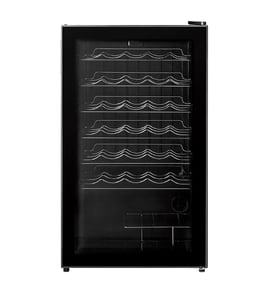

Is it worth repairing a wine cooler?
Yes, repairing a Vinotemp VT200 wine & beverage cooler is usually worth it when the cabinet is in good shape and the problem is electrical or airflow related (controls, fan, door seal). It is usually not worth it when the sealed system has failed (compressor or refrigerant leak), because that repair often costs close to replacement.
Quick way to decide (cost vs. value)
Use this simple rule: if the total repair cost is under about 40% to 50% of replacement cost, repair is the better value; above that, replacement is usually the smarter move.
| What’s wrong | Typical repair difficulty | Usually worth repairing? |
|---|---|---|
| Not cooling but lights/display work | Medium | Often yes |
| Temperature swings | Low to medium | Often yes |
| Excess noise or vibration | Low | Yes |
| Compressor will not start, sealed system issue | High | Often no |
Problems that are commonly worth fixing
These issues are frequent on wine cellars and typically have a reasonable parts and labor cost:
- Dirty condenser area or blocked airflow (unit runs hot, weak cooling)
- Door not sealing (warm air leaks, longer run time)
- Control setting or sensor related temperature complaints
- Fan noise from a worn fan motor or loose mounting
- Power supply issues (outlet, cord, internal wiring connections)
For model-specific operating details like temperature range and control behavior, use the VT200 owner's manual.
When replacement usually makes more sense
These are the “big ticket” failures where repair cost can exceed the value of the unit:
- Compressor failure
- Refrigerant leak or sealed system restriction
- Repeated tripping of overload after basic electrical checks
Why it matters
A wine & beverage cooler is designed to hold a stable set temperature; when airflow, door sealing, or controls are off, the unit can run constantly and still drift out of range. Fixing a smaller issue early can prevent longer run times, excess noise, and premature compressor wear.
Last updated: February 2026
How long do Vinotemp wine coolers last?
Most Vinotemp wine coolers, including the Vinotemp VT200 wine cellar, typically last 10 to 15 years with normal home use. Consistent ventilation, stable room temperature, and keeping the door closed as much as possible help the compressor and temperature controls run less and last longer.
Typical lifespan and what affects it
A wine and beverage cooler’s life is mostly driven by how hard the sealed cooling system has to work.
- Room temperature and airflow: tight cabinets or warm rooms make the compressor run longer
- Door openings: frequent openings cause temperature swings and longer run times
- Level installation: an unlevel unit can vibrate, make noise, and stress components
- Condenser cleanliness: dust buildup reduces heat transfer and increases run time
- Power quality: repeated outages or low voltage can stress the control and compressor start components
What “end of life” usually looks like
These symptoms often show up as a cooler approaches the end of its service life.
| Symptom | Common cause | What to check first |
|---|---|---|
| Not cooling to set temp | sealed system or compressor issue | confirm settings, allow 24 hours after changes |
| Runs constantly | warm room, poor airflow, dirty condenser | improve ventilation, clean dust, reduce door openings |
| Loud buzzing or rattling | vibration, fan noise, unlevel cabinet | level the unit, check for contact with cabinets |
| Temperature swings | frequent door openings, sensor/control issues | minimize openings, verify setpoint range |
Why it matters
A VT200 is designed to hold wine at stable temperatures (the manual indicates a typical setpoint around 55°F and an adjustable range of about 48°F to 65°F). Keeping conditions stable reduces cycling, protects wine quality, and extends the life of the compressor and electronic control.
Best practices to help your VT200 reach 10 to 15 years
- Install on a solid, level floor and keep the cabinet level
- Leave adequate clearance for ventilation (avoid tight, unventilated enclosures)
- Keep it away from heat sources like ovens, dishwashers, and direct sunlight
- Limit door openings and confirm the door closes and seals fully
- After moving, keep the unit upright and follow the setup guidance in the VT200 owner’s manual
Last updated: February 2026
What is the most common problem with wine coolers?
The most common problem with a wine cooler (including the Vinotemp VT200) is inconsistent cooling: the cabinet temperature drifts warmer or swings up and down. In most cases, the cause is restricted airflow, frequent door opening, or a control or sensor issue that prevents stable temperature regulation.
Most common causes of temperature problems
- Airflow blocked: bottles packed too tightly, vents blocked, or dust buildup reducing heat rejection
- Door not sealing: worn or dirty gasket lets warm, humid air in
- Set temperature not appropriate: many units are designed to run in a controlled range (often about 48°F to 65°F)
- Frequent door openings: warm air rushes in and the unit has to recover repeatedly
- Unit not level or unstable: can increase noise and affect door sealing
- Warm installation location: placed near heat sources (oven, dishwasher, direct sun) or in a tight enclosure
Quick checks we recommend first
- Confirm the setpoint and allow time to stabilize after changes.
- Make sure bottles are not blocking interior airflow paths.
- Clean the door gasket and check for gaps all the way around.
- Verify the cooler sits solidly on a level floor.
- Reduce door openings and recheck temperature after several hours.
Symptoms and what they usually point to
| What you notice | Most likely issue | What to do first |
|---|---|---|
| Warmer than set temperature | Airflow restriction or door seal leak | Clear vents, check gasket seal |
| Temperature swings | Frequent door opening or control/sensor behavior | Minimize openings, verify settings |
| Runs a lot, little cooling | Poor ventilation around cabinet | Improve clearance and airflow |
| Noisy operation | Not level, normal compressor cycling, or vibration | Level unit, ensure stable placement |
Why it matters
Wine and beverages store best when temperature stays steady. Even if the average temperature looks correct, repeated swings can affect flavor over time and make the compressor work harder, which shortens component life.
For model-specific operating tips, placement guidance, and temperature setting details, follow the VT200 owner's manual.
Last updated: February 2026
Can wine coolers be repaired?
Yes, wine coolers can be repaired; most problems come from power supply issues, airflow and installation problems, door sealing, or a failed electrical component. For the Vinotemp VT200, we use the troubleshooting and safety guidance in the VT200 owner's manual to pinpoint the cause before replacing parts.
What we check first (fast, high-success fixes)
- Confirm the outlet has power and the unit is plugged in firmly.
- Make sure the cooler is on a solid, level floor to reduce vibration and noise.
- Verify the door closes fully and the gasket seals all the way around.
- Reduce door openings; frequent openings cause temperature swings.
- Allow time after moving the unit before restarting (helps protect the sealed system).
Common repairable symptoms and likely causes
| Symptom | What it usually means | What to do next |
|---|---|---|
| Not cooling or weak cooling | Airflow issue, control/sensor issue, or compressor not running | Check ventilation clearance, then test sensors and control circuit |
| No power or dead display | Outlet, cord, internal fuse/overload, control board | Verify power, then inspect wiring and protective devices |
| Too warm after door openings | Normal recovery time, poor seal, heavy loading | Improve sealing, limit openings, avoid overpacking |
| Noisy operation | Not level, vibration, normal compressor cycling | Level the cabinet; isolate from cabinets/walls |
When a DIY repair makes sense
We recommend DIY only for basic checks and straightforward electrical repairs.
- Cleaning and leveling adjustments
- Door alignment and gasket inspection
- Visual wiring checks (burn marks, loose connectors)
- Electrical testing with a meter (only if you are comfortable)
For electrical diagnostics, our guide how to use a multimeter to test electrical parts video helps you test components safely and consistently.
Why it matters
A wine and beverage cooler like the Vinotemp VT200 relies on stable temperature control; small issues (like an unlevel cabinet or a weak door seal) can look like a major cooling failure. Starting with installation and airflow checks prevents unnecessary part replacement and protects the compressor.
Last updated: February 2026