 Error Codes



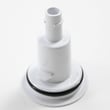
What is the bottom part of a refrigerator called?
The bottom part of a refrigerator is commonly called the machine compartment (or compressor compartment). On Kenmore model 59673822200, this lower area typically houses the cooling-system hardware such as the compressor, condenser components, and electrical start parts.
Common names you may hear
- Machine compartment (most common)
- Compressor compartment
- Lower rear service area
- Base pan area (when referring to the pan and supports underneath)
What’s usually located in the bottom section
In most bottom-mount refrigerators, the lower compartment area can include:
- Compressor (the pump that circulates refrigerant)
- Condenser and airflow path (where heat is released)
- Start components (relay/overload/capacitor depending on design)
- Drain pan (catches defrost water so it can evaporate)
- Wiring and harness connections for the sealed system and fans
Parts examples for this Kenmore model
These are examples of parts on model 59673822200 that relate to the lower machine compartment area:
| What it is | What it does | Example part for this model |
|---|---|---|
| Compressor | Pressurizes and moves refrigerant | Refrigerator compressor W10160407 |
| Overload | Protects the compressor from overheating/overcurrent | Refrigerator overload WP12555902 |
Why it matters
Knowing the correct name helps when you are troubleshooting noises, heat buildup, or cooling problems. Many “warm back/bottom” complaints are normal condenser heat, but repeated clicking, buzzing, or no-cool symptoms often point to compressor-area components.
Quick safety and access tips
- Unplug the refrigerator before removing any rear access panel.
- Vacuum dust from the lower rear area to improve airflow.
- Keep the unit a few inches from the wall for ventilation.
- If you smell burning insulation or hear repeated clicking every few minutes, stop and inspect the compressor-area parts.
Last updated: January 2026
How to lower wheels on Kenmore refrigerator?
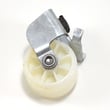
To lower the front wheels on your Kenmore refrigerator model 59673822200, turn the front leveling/roller adjustment screw counterclockwise. The screw is designed to stay in place; it raises or lowers the front of the refrigerator so it sits level and the doors seal correctly.
How to lower the wheels (front rollers)
- Unplug the refrigerator or switch off power at the breaker.
- Remove the toe grille (kick plate) at the bottom front if it blocks access.
- Locate the left and right front leveling/roller adjustment screws.
- Use the correct tool (often a 1/4-inch nut driver or flat-blade screwdriver, depending on the adjuster style).
- Turn counterclockwise to lower the front; turn clockwise to raise it.
- Recheck door swing and gasket contact, then reinstall the toe grille.
Quick checks while you adjust
- Keep the refrigerator stable; do not tip it excessively.
- Adjust both sides in small increments (a few turns at a time).
- Aim for the cabinet to be level side-to-side.
- Many bottom-mount refrigerators work best with the front slightly higher than the rear so doors close on their own.
- If the adjuster is hard to turn, reduce weight on the front by having someone gently tilt the unit back.
If the wheels will not lower (common causes)
- Debris or corrosion on the adjuster threads.
- Toe grille interference preventing full travel.
- Flooring issues (soft vinyl, thick grout lines, or an uneven floor).
- Roller/leveling mechanism binding from impact or overload.
| Symptom | What to do next |
|---|---|
| Adjuster turns but height does not change | Check that the adjuster is engaging the roller/foot and not stripped; inspect both sides. |
| Adjuster will not turn | Relieve weight by tilting slightly, then try again; clean visible threads. |
| Doors still do not seal after leveling | Inspect the door gasket and alignment; use how to fix a fridge door seal. |
Why it matters
Proper wheel and leveling adjustment helps the doors close reliably, prevents warm air leaks that cause frost, and reduces compressor run time and noise.
Last updated: January 2026
Why is my Kenmore refrigerator leaking underneath?
On Kenmore bottom-mount refrigerator model 59673822200, leaking underneath is usually caused by a clogged or frozen defrost drain that overflows into the fresh food section and runs down to the floor, or by a drain pan that is out of position, cracked, or overflowing.
Quick checks that solve most leaks
- Look for a sheet of ice or standing water on the refrigerator floor (inside); that points to a defrost drain issue.
- Check the drain pan underneath for cracks, warping, or being bumped out of place.
- Confirm the refrigerator is level front to back and side to side; poor leveling can cause water to miss the pan.
- If you have an ice maker or water line, inspect for drips at the rear connection and under the cabinet.
- Check door gaskets for gaps that can cause heavy frost and extra defrost water.
How to clear a clogged or frozen defrost drain
- Unplug the refrigerator.
- Remove food and the lowest shelves/bins so you can reach the drain trough at the back bottom inside the fresh food section.
- Melt ice with warm water (a turkey baster works well) until water flows freely down confirms the drain is open.
- Flush again with warm water to push debris through.
Why it matters
When the defrost drain is blocked, normal defrost water has nowhere to go. It spills into the cabinet, then leaks out underneath, and can also lead to odors and ice buildup.
If the leak is related to the ice maker or water system
Use this guide to reduce repeat leaks and ice maker issues: how to prevent water dispenser and ice maker problems. If the ice maker itself is leaking or not cycling correctly, replacement is often the most reliable fix: refrigerator ice maker D7824706Q.
Symptom-to-cause guide
| What you see | Most likely cause | What to do first |
|---|---|---|
| Water on floor after defrost cycle | Frozen/clogged defrost drain | Clear and flush drain with warm water |
| Water only near front corners | Door not sealing, excess frost | Inspect/clean gaskets, confirm doors close |
| Water near back of unit | Water line fitting or valve seep | Inspect fittings and tubing for drips |
| Pan full or overflowing | Drain pan shifted or damaged | Re-seat pan, check for cracks |
Last updated: January 2026





