 Installation guide
 Owner’s manual
 Error Codes



What is the most common problem with a Frigidaire dishwasher?
The most common Frigidaire dishwasher problem is poor wash performance caused by restricted water flow: a dirty filter, blocked spray arms, or low fill from a supply issue. On the Frigidaire FGBD2434PF0A, drainage and leak complaints are also common when hoses kink or door seals wear.
- Dishes still dirty or gritty: clogged filter, spray arm holes blocked, or not enough hot water
- Water left in the bottom: drain path restriction, kinked drain hose, or drain pump issue
- Leaking at the door: worn or mis-seated door seal
- Not filling well: restricted water supply or inlet valve screen clogged
- Not drying well: heater circuit issue, rinse aid use, or cycle selection
- Confirm the unit is getting hot water and the supply valve is fully open.
- Inspect for kinked water or drain hoses; kinks are a known cause of performance problems.
- Clean the filter and check spray arms for debris.
- If draining is poor, verify the drain hose routing and connection.
- If connected to a disposer for the first time, make sure the disposer inlet plug is knocked out.
| Symptom | Common part to inspect/replace | What it affects |
|---|---|---|
| Leaks at door | Door gasket 809006501 | Door sealing and splash containment |
| Not filling or fills slowly | Dishwasher water inlet valve 154637401 | Water entry and fill rate |
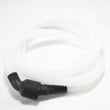
| Not draining | Drain hose 807117001 | Drain flow and siphoning/kinks |
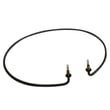
| Poor drying | Frigidaire dishwasher heating element 154825001 | Water heating and drying performance |
| Weak wash action | Pump and motor assembly 154844301 | Spray pressure and circulation |
Dishwashers clean by combining correct fill level, spray pressure, and heat. A small restriction (like a clogged filter screen or kinked hose) can make the dishwasher seem “broken” even though the control board and motor are fine.
Use the FGBD2434PF0A installation guide for routing and connection requirements (water, drain, electrical) and the FGBD2434PF0A manual for cycle and care guidance.
Last updated: February 2026
What are the commonly replaced parts in a dishwasher?
In a Frigidaire dishwasher like model FGBD2434PF0A, the most commonly replaced parts are the water-moving parts (pump, drain hose, inlet valve), leak-prevention seals (door gasket), and heat or wash-performance parts (heating element, filter). These parts wear from heat, detergent, vibration, and clogs.
- Pump and motor: poor washing, grinding noise, weak spray, or no circulation
- Drain parts: standing water, slow drain, or drain errors (often hose clogs or pump issues)
- Water inlet valve: dishwasher not filling, fills slowly, or stops mid-cycle
- Door gasket and splash seals: leaks at the bottom or sides of the door
- Heating element: not drying, cool water, or poor cleaning from low wash temperature
- Filter and spray components: gritty residue, redeposit, or weak spray patterns
| Symptom | Likely part to check first | Example part for this model |
|---|---|---|
| Leaking at the door | Door seal | Door gasket 809006501 |
| Not draining | Drain path | Drain hose 807117001 |
| Not filling | Water supply control | Dishwasher water inlet valve 154637401 |
| Not drying well | Heat system | Frigidaire dishwasher heating element 154825001 |
| Weak wash or loud hum | Circulation | Dishwasher pump and motor assembly 154844301 |
- Clean the filter area and remove debris from the sump
- Confirm the water supply valve under the sink is fully open
- Check the drain hose for kinks and a proper high loop
- Make sure the door closes evenly and the gasket is seated
- Verify the dishwasher is level and securely fastened (tilting can cause leaks and door issues)
Replacing the right part first saves time and prevents repeat failures. For example, a “not draining” complaint is often a clogged hose or filter, while a true circulation problem points to the pump or pump and motor assembly.
For part locations, access steps, and installation notes specific to this Frigidaire model, use the FGBD2434PF0A installation guide.
Last updated: February 2026
What is the average lifespan of a Frigidaire dishwasher?
A Frigidaire dishwasher typically lasts 10 years. For your Frigidaire FGBD2434PF0A, consistent cleaning, correct detergent use, and avoiding leaks and drain issues are the biggest factors that keep the wash system, heater, and seals working for the full service life.
Most Frigidaire dishwashers fall into this range when used normally (about 1 load per day):
- Average: 10 years
- Common range: 7 to 12 years
- Shorter life: heavy daily use, hard water scale, frequent clogs, or recurring leaks
- Longer life: regular filter cleaning, good water temperature, and prompt repair of small issues
| Usage and care level | Typical lifespan | What usually ends it first |
|---|---|---|
| Heavy use, minimal maintenance | 6 to 8 years | Pump wear, leaks, heating problems |
| Normal use, basic maintenance | 9 to 11 years | Drain/pump issues, door seal leaks |
| Normal use, strong maintenance | 11 to 13 years | Control or motor wear |
These steps prevent the most common failures (drain clogs, poor cleaning, leaks, and overheating):
- Clean the filter regularly; a restricted filter makes the pump work harder.
- Keep spray paths clear; don’t block the lower spray arm with tall pans.
- Use hot water supply; incoming water should be at least 120°F (49°C).
- Avoid kinks in the drain hose and water line; kinks cause fill and drain problems.
- Fix leaks early; a small door-seal drip can turn into cabinet and floor damage.
If performance drops, these are the parts we see most often tied to “end of life” symptoms (leaks, no heat, poor wash, or no drain):
- Dishwasher filter 5304532206
- Door gasket 809006501
- Frigidaire dishwasher heating element 154825001
- Pump A00126401
- Dishwasher water inlet valve 154637401
A dishwasher that is struggling to fill, heat, circulate, or drain runs longer and hotter, which accelerates wear on the pump, motor, and seals. Following the care and installation basics in the FGBD2434PF0A installation guide helps you avoid the conditions that shorten lifespan.
Last updated: February 2026
Can I replace dishwasher parts myself?
Yes. For the Frigidaire FGBD2434PF0A dishwasher, we see many customers successfully replace common wear parts themselves by shutting off power and water, following the step-by-step procedures in the FGBD2434PF0A installation guide, and working carefully around wiring, sharp panels, and water connections.
These repairs are typically straightforward with basic hand tools:
- Door sealing parts (leaks at the door edge), such as the door gasket 809006501
- Drain path items (kinks, loose connections), such as the drain hose 807117001
- Cleaning and maintenance items (routine performance), such as the dishwasher filter 5304532206
- Door balance hardware (door drops or won’t stay open), such as the dishwasher door spring 154579101
- Detergent door issues (cup not opening), such as the dishwasher detergent dispenser assembly 5304506521
These are still DIY-able, but they involve electrical testing, tight spaces, or water-line sealing:
- Water fill problems: dishwasher water inlet valve 154637401
- No heat or poor drying: Frigidaire dishwasher heating element 154825001
- Wash motor or circulation issues: dishwasher pump and motor assembly 154844301
- Leak sources under the unit: pump seals and O-rings (model-specific fit matters)
The installation instructions for this dishwasher emphasize safe routing and secure mounting. Use this checklist first:
- Turn off power at the breaker (not just the control panel)
- Shut off the water supply valve under the sink
- Confirm the dishwasher is secured so it cannot tilt when the door opens
- Keep wiring, drain, and water lines routed away from the motor area
- Wear gloves when handling metal panels (edges can be sharp)
| Repair type | Typical time | Skill level | Common tools |
|---|---|---|---|
| Door gasket or filter | 15 to 45 min | Basic | Pliers, towel |
| Drain hose | 30 to 90 min | Basic to intermediate | Screwdriver, pliers |
| Inlet valve or heating element | 60 to 120 min | Intermediate | Multimeter, wrench |
| Pump and motor assembly | 90 to 180 min | Intermediate to advanced | Multimeter, nut driver |
Doing the right repair yourself can stop leaks, restore cleaning and drying, and prevent repeat failures caused by kinks, loose wiring connections, or an unlevel dishwasher. The FGBD2434PF0A installation guide also calls out that the unit must rest on the floor and be secured to prevent tipping.
Last updated: February 2026





