Owner’s manual
 View engine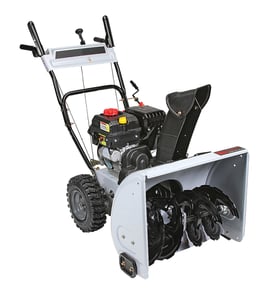




How much oil does a Husqvarna ST227P snow blower take?
The Husqvarna ST227P-96193009702 gas snowthrower typically takes about 32 fl oz (1 quart) of engine oil, filled to the proper level on the dipstick. For the correct oil type and fill procedure for your exact unit, follow the steps in the ST227P-96193009702 owner's manual.
How to check and fill oil correctly
- Park the snowblower on a level surface and let the engine cool.
- Remove the dipstick, wipe it clean, then reinsert it fully to get an accurate reading.
- Add oil slowly in small amounts; recheck the dipstick each time.
- Do not overfill; too much oil can cause smoking, hard starting, and leaks.
- After filling, tighten the dipstick and wipe away any spilled oil.
Oil type guidance for winter use
Most 4-cycle snowblower engines run best on a winter-weight detergent oil. A common choice is SAE 5W-30 for cold-weather operation.
| Temperature range | Common oil choice | Why it’s used |
|---|---|---|
| Below freezing | SAE 5W-30 | Easier cold starts and better flow |
| Mild winter temps | SAE 5W-30 | Good all-around winter protection |
Quick troubleshooting if the oil level seems “off”
- Reads high: Make sure the machine is level; recheck after wiping and reinserting the dipstick.
- Reads low often: Look for seepage around the drain plug, dipstick tube, and crankcase seams.
- Oil looks milky: Moisture contamination is common with short run times; change oil and run the engine long enough to fully warm up.
Why it matters
Correct oil capacity and level protect the crankshaft, piston, and bearings from wear. On a two-stage snowblower like the ST227P-96193009702, proper lubrication also helps the engine maintain steady power under heavy snow load.
Last updated: January 2026
What kind of gas does a Husqvarna ST227P take?
The Husqvarna ST227P-96193009702 gas snowthrower uses fresh, unleaded gasoline. For best starting and smooth running in cold weather, use clean fuel from a busy station and follow the exact fuel recommendations and any ethanol guidance in the ST227P-96193009702 owner's manual.
Recommended fuel (what to use)
- Fresh, unleaded gasoline
- Use fuel that is clean and recently purchased (stale gas is a top cause of hard starting)
- If your area only offers ethanol-blended fuel, follow the manual’s limits and storage steps
- Use a fuel stabilizer when the snowblower will sit for more than a few weeks
- Keep the fuel cap area clean so snow and debris do not fall into the tank
What to avoid
- Old gas (especially fuel left over from last season)
- Gas contaminated with water (often causes surging or no-start)
- Mixing oil into the gas (this is a 4-cycle snowblower engine setup)
- Overfilling the tank (leave room for expansion)
Quick troubleshooting if fuel-related issues show up
If the engine starts and dies, surges, or will not start after storage, fuel flow is often the issue.
| Symptom | Common fuel cause | Good first step |
|---|---|---|
| Hard starting | Stale fuel | Drain and refill with fresh unleaded gas |
| Starts then stalls | Restricted fuel flow | Check/clean the snowblower fuel strainer 586325601 |
| Surging at idle | Water or varnish in fuel | Replace fuel, then run with stabilizer |
Why it matters
Correct fuel protects the carburetor, improves cold starts, and helps prevent clogged fuel passages that can lead to repeated no-start problems and unnecessary parts replacement.
Last updated: January 2026
How many years should a snowblower last?
A gas snowthrower like the Husqvarna ST227P-96193009702 typically lasts 15 to 20 years with normal residential use and consistent maintenance; heavy use, poor storage, and skipped service can shorten that. Following the seasonal maintenance schedule in the ST227P-96193009702 owner's manual helps you get the full life out of the engine, belts, and auger system.
Typical lifespan (what we see most often)
- Gas snowblowers: 15 to 20 years
- Electric corded snowblowers: 8 to 12 years
- Battery snowblowers: 6 to 10 years (battery packs often need replacement sooner)
- Commercial or very heavy use: plan closer to 8 to 15 years depending on conditions
What makes a snowblower last longer
- Change engine oil on schedule and keep the oil at the correct level
- Use fresh fuel and stabilize fuel before off-season storage
- Keep the auger and chute clear of packed snow and ice (never use hands)
- Inspect and replace wear items before they fail (belts, scraper bar, skid shoes)
- Store it dry; corrosion and moisture damage shorten the life of cables, bearings, and fasteners
Wear items that commonly decide “repair vs. replace”
These parts are normal maintenance on many snowblowers; replacing them on time prevents bigger failures.
| Wear item | What it affects | Common symptom when worn |
|---|---|---|
| Drive belt | Wheel drive | Slips, weak forward/reverse, burning rubber smell |
| Auger drive belt | Auger/impeller | Auger stops under load, poor throwing distance |
| Scraper bar | Clearing to pavement | Leaves snow behind, uneven scraping |
| Gearbox/auger drive components | Auger power transfer | Grinding, binding, oil/grease leakage |
If you’re already servicing the drive system, the snowblower drive belt, 38.2-in 584216102 is one example of a model-matched belt option for this unit.
Why it matters
A snowblower’s “life” is usually limited by preventable wear: old fuel issues, belt slip, and corrosion. Keeping up with basic maintenance costs less than major repairs like a gearbox or engine replacement.
Last updated: January 2026
Is the Husqvarna ST227P-96193009702 easy to start?
Yes. The Husqvarna ST227P-96193009702 is typically easy to start when the fuel is fresh and the starting steps are followed; most “hard start” complaints come from stale fuel, a restricted fuel strainer, or belt and control adjustments rather than the engine itself. See the ST227P-96193009702 owner's manual for the exact cold-start procedure.
What “easy to start” looks like on this model
When everything is in good shape, you should expect:
- A consistent pull-start feel (no sudden lock-up or free-spinning)
- The engine to fire within a few pulls after priming (cold) or with choke set correctly
- Smooth idle after a short warm-up
- No fuel smell or flooding at the muffler
Quick checks if it is hard to start
Before replacing parts, we recommend these basics:
- Use fresh fuel (old fuel is the #1 cause of no-start on seasonal equipment)
- Confirm the fuel shutoff (if equipped) is open and the tank vent is not blocked
- Inspect the spark plug condition and gap; replace if fouled
- Check for fuel flow through the snowblower fuel strainer 586325601 if the engine starts then dies or will not stay running
- Verify controls fully engage: choke, throttle, and any safety key or switch
Common symptoms and the most likely cause
| Symptom | Most likely cause | What to do first |
|---|---|---|
| Starts, then stalls in 5 to 30 seconds | Restricted fuel flow or stale fuel | Drain fuel, clean tank, check fuel strainer |
| Won’t fire at all | No spark or flooded engine | Check spark plug, dry plug, try start with choke off |
| Pull cord is very hard to pull | Ice ingestion, hydro-lock, or mechanical drag | Remove spark plug and pull slowly; inspect auger area |
| Starts only with starting fluid | Carburetor varnish or fuel restriction | Refresh fuel, check fuel strainer, then clean carb |
Why it matters
A snowthrower that starts easily is safer and more reliable in cold weather. Keeping fuel clean and the fuel path open reduces carburetor clogging, protects the engine, and prevents mid-storm shutdowns.
Last updated: January 2026