Error Codes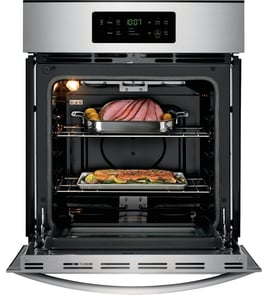

How long do Dacor wall ovens last?
Most Dacor wall ovens, including model CPS127, typically last 15 years with normal household use and basic maintenance (cleaning, good airflow, and avoiding repeated overheating).
Typical lifespan and what affects it
A wall oven’s life depends more on heat stress and electrical health than on cosmetics.
- Usage frequency: daily baking shortens lifespan versus occasional use
- Heat exposure: frequent self-clean or high-temp roasting accelerates wear
- Ventilation: blocked vents trap heat and stress controls and wiring
- Door seal condition: heat leaks make the oven run hotter and longer
- Power quality: loose connections and voltage issues damage components
What usually fails first (and what to check)
These are common wear points on electric wall ovens as they age.
| Symptom | Common cause | What to do first |
|---|---|---|
| Takes too long to preheat | Temperature sensing or airflow issue | Check venting and confirm the door closes tightly |
| Temperature swings | Sensor drift or heat loss | Inspect the door seal and verify rack position |
| Oven shuts off or goes dead | Overheat or electrical protection | Check for overheating around the control area |
| Hot air leaking around door | Worn seal | Replace the door gasket |
If you see heat escaping around the door, replacing the Door gasket 82691 is one of the most effective ways to restore performance and reduce strain on the heating system.
Why it matters
A wall oven that is losing heat or running too hot forces longer bake times and higher internal temperatures. That extra stress shortens the life of key components and can lead to nuisance shutdowns.
Maintenance habits that help you reach 15 years
- Keep the vent area clear and wipe grease buildup regularly
- Avoid running self-clean back-to-back
- Close the door gently to protect hinges and the seal surface
- If the oven overheats, stop using it until the cause is corrected
Last updated: February 2026
Are wall ovens hardwired or plug-in?
Most electric wall ovens, including the Dacor CPS127, are designed to be hardwired (direct-wired) to a dedicated junction box circuit rather than plugged into a standard outlet. This supports the higher amperage needs and keeps the connection secure behind the cabinet.
What you should expect for a Dacor CPS127 installation
In typical wall-oven installs, the power supply wiring comes through the cabinet cutout and connects inside a junction box. A cord-and-plug setup is uncommon for built-in wall ovens.
- Dedicated circuit (no sharing with other appliances)
- Junction box connection behind the oven or in an adjacent cabinet
- Correct wire gauge and breaker size for the oven’s electrical rating
- Proper strain relief where the cable enters the junction box
- Oven fully secured in the cabinet after wiring is completed
Quick comparison: hardwired vs plug-in
| Connection type | Common for wall ovens? | Where it connects | Typical use case |
|---|---|---|---|
| Hardwired (junction box) | Yes | Inside a covered junction box | Built-in wall ovens like CPS127 |
| Plug-in (cord and receptacle) | Rare | Standard receptacle | Some ranges or specialty installs |
Safety and troubleshooting tips before you wire anything
Turn off power at the breaker and confirm power is off before touching wiring. If the oven is dead or intermittently losing power, check for heat-damaged connections and electrical protection parts.
- Verify the breaker is correctly sized and not tripping
- Inspect junction box wire nuts for looseness or discoloration
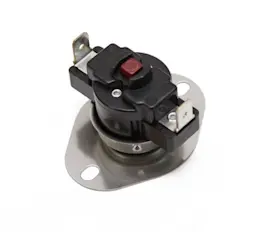
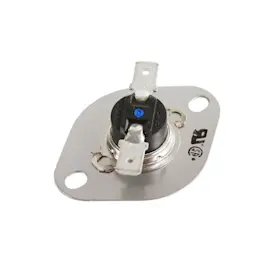
- Check for a blown thermal fuse or fuse assembly if your model uses one
- Look for pinched wiring as the oven slides into the cabinet
- If you suspect a fuse issue, use our guide: how to tell if a fuse is blown
Parts that can relate to power or heat issues
If you’re diagnosing power loss or heat-related wiring damage, these model-listed parts are commonly involved:
Why it matters
Wall ovens draw significant current; hardwiring to a junction box reduces the chance of a loose plug connection overheating and helps meet typical built-in installation requirements.
Last updated: February 2026
Do I need an electrician to install a wall oven?
If you’re replacing an existing electric wall oven with the same type and the wiring and breaker are already correctly sized, you typically do not need an electrician for your Dacor CPS127. If you’re adding a new 240V circuit, changing from gas to electric, or correcting wiring issues, hire a licensed electrician.
When you should hire an electrician
- You need a new 240V circuit, breaker, or junction box installed
- You’re converting from a gas oven to an electric wall oven
- The existing wiring is aluminum, damaged, overheated, or undersized
- The breaker trips, lights dim, or you smell hot insulation during use
- You’re unsure how the oven is hardwired (junction box) or connected
What you can usually handle (DIY) if the circuit is already in place
- Sliding the oven out and back in (with help, wall ovens are heavy)
- Connecting the oven to the existing junction box using the same wiring method
- Leveling and securing the oven in the cabinet cutout
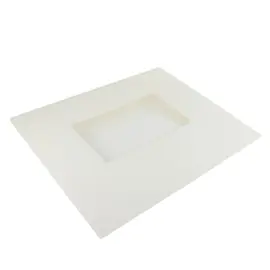
- Replacing basic non-electrical fit and finish parts if needed (for example, a worn wall oven trim 27467R)
Quick safety checklist before installation
- Turn off the correct breaker and verify power is off before touching wires.
- Confirm the circuit is 240V and dedicated to the oven.
- Check the junction box and wire connections for heat damage or loose terminals.
- Make sure the cabinet opening and ventilation path are clear.
Common scenarios and the best choice
| Scenario | Best choice |
|---|---|
| Replacing electric wall oven with electric; same circuit and wiring | DIY install is typically fine |
| New circuit needed or breaker/wire size changes | Electrician |
| Converting gas to electric | Electrician |
| Any signs of overheating, arcing, or repeated breaker trips | Electrician |
Why it matters
Wall ovens draw high current; correct breaker sizing, wire gauge, and secure connections prevent nuisance trips and reduce the risk of overheated wiring. A clean, properly vented install also helps the CPS127 bake evenly and protects surrounding cabinetry.
Last updated: February 2026
Is Dacor wall oven good?
Dacor wall ovens like model CPS127 are generally a solid, premium choice: they are built for consistent baking performance and long-term durability, but they can be more expensive to repair if a specialized part fails. Keeping wear items in good shape helps maintain performance.
What “good” usually means for a wall oven
When customers ask if a wall oven is “good,” we look at a few practical factors:
- Temperature consistency for baking and roasting
- Door seal quality (heat retention and even cooking)
- Ventilation and cooling airflow (protects controls and cabinetry)
- Parts availability for common wear items
- Serviceability (access to components like fuses, harnesses, and trim)
Common ownership pros and tradeoffs
Here is a quick, real-world comparison of what many owners experience with premium wall ovens.
| Area | What you typically get | What to plan for |
|---|---|---|
| Cooking results | More even baking and better heat retention | Calibration and sensor issues can still happen over time |
| Fit and finish | Heavier door, sturdier trim and frames | Cosmetic parts can be model-specific |
| Repairs | Replaceable components | Some parts cost more than mass-market ovens |
Parts that most affect performance on CPS127
If your CPS127 is not holding temperature well, takes longer to preheat, or heats the kitchen more than it used to, these are common places to start:
- Door seal: a worn gasket leaks heat and causes uneven baking; see door gasket 82691
- Electrical protection: intermittent power or a dead oven can point to a fuse issue; see fuse box 12400
- Vent and airflow: blocked or damaged venting can trap heat near controls; see exhaust duct 27427
Why it matters
A wall oven can seem “bad” when the real issue is heat loss at the door, restricted exhaust airflow, or an electrical protection part opening under load. Fixing those basics often restores normal bake performance and reduces temperature swings.
Last updated: February 2026