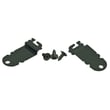
Installation guide
 Owner’s manual
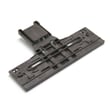


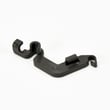
How much to replace control panel on KitchenAid dishwasher?
For a KitchenAid KDTE704DSS1 dishwasher, replacing the control panel typically costs $150 to $400 total (part plus labor). The final price depends on whether you replace only the user-interface panel or a control assembly, and whether a service company does the work.
What makes the price go up or down
- Part type: a simple console/user-interface panel usually costs less than a full control assembly.
- Labor: service labor commonly adds $150 to $250 depending on your area and access.
- Diagnosis time: some techs charge a diagnostic fee that may apply toward the repair.
- Related issues: moisture intrusion, a damaged harness, or a failing latch can add parts and time.
- Warranty coverage: KitchenAid warranty terms can reduce your out-of-pocket cost for certain electronic controls (check your paperwork).
Typical cost breakdown
| Cost item | Typical range | Notes |
|---|---|---|
| Control panel or control assembly part | $100 to $250 | Varies by exact configuration and finish |
| Labor (install and test) | $150 to $250 | Includes disassembly and verification |
| Total installed cost | $150 to $400 | Most common real-world range |
Before you buy a control panel
We recommend confirming the failure first, because “dead” controls can also be caused by a door not latching, power issues, or a control lock setting.
- Verify the door closes and latches firmly; a weak latch can prevent operation.
- Check for a tripped breaker or loose junction box connection.
- Look for error codes and follow the recommended checks.
- If the dishwasher has power but will not run, rule out demo mode or control lock.
Helpful references:
Why it matters
The control panel is the main user interface for cycle selection and starting the dishwasher. Replacing the correct control component the first time prevents repeat service calls and helps restore normal wash, drain, and dry operation.
Last updated: February 2026
What is the most common problem with a KitchenAid dishwasher?
The most common issue we see with KitchenAid dishwashers like model KDTE704DSS1 is poor wash results caused by restricted water flow or wash action (often tied to loading, water temperature, or suds). Drain problems and drying complaints are also frequent and usually trace back to a few checkable items in the KDTE704DSS1 owner's manual.
Most common symptoms and what to check first
Start with these quick checks before replacing parts:
- Confirm incoming water is at least 120°F (49°C).
- Use fresh automatic dishwasher detergent (not hand soap or laundry detergent).
- Check for suds/foam; excess suds can prevent proper filling and washing.
- Make sure the water supply is turned on (especially after installation).
- Verify the overfill protection float moves up and down freely.
- Use rinse aid and select Heat Dry or ProDry for better drying (plastic dries worst).
Quick problem-to-cause guide
| What you notice | Most common cause | Best first step |
|---|---|---|
| Dishes still dirty | Low water temp, poor loading, suds, restricted wash action | Verify 120°F water, reduce suds, reload correctly |
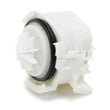
| Standing water | Drain restriction or drain pump issue | Check drain path; then consider the dishwasher drain pump WPW10531320 |
| Not drying well | No rinse aid, wrong options, plastics | Add rinse aid; use Heat Dry/ProDry |
| Clean light flashing | Float stuck, water off, suds | Free the float; confirm water on; clear suds |
Why it matters
Most “common problems” are really water delivery and chemistry problems. If the dishwasher cannot fill correctly (water off, float stuck, or suds), it cannot wash or drain normally, and cycles can act erratic.
When parts are likely involved
If the checks above are good and performance is still poor, these parts are common next suspects on KDTE704DSS1:
- Dishwasher water inlet valve W11175771 (won’t fill or fills slowly)
- Element assembly W10703867 (weak drying, water not heating)
- Dishwasher drain pump WPW10531320 (won’t drain)
Last updated: February 2026
What is the average lifespan of a KitchenAid dishwasher?
A KitchenAid dishwasher typically lasts 10 to 14 years with normal household use. For your KitchenAid KDTE704DSS1, consistent maintenance (especially proper detergent use, rinse aid use, and keeping wash performance strong) is what most often determines whether it reaches the high end of that range.
What helps your KDTE704DSS1 last 10 to 14 years
- Keep the incoming water temperature around 120°F (49°C) for effective cleaning.
- Use fresh automatic dishwasher detergent (never hand soap or laundry detergent).
- Use rinse aid consistently for drying and to reduce hard-water deposits.
- Scrape food off dishes before loading (skip heavy pre-rinsing).
- Expect longer cycles (often 2 to 3 hours) because energy-efficient models wash longer.
- Address small issues early (poor draining, not filling, door not latching).
For model-specific care and operating guidance, follow the KDTE704DSS1 owner’s manual.
Quick lifespan expectations by what you do
| Usage and care pattern | Typical outcome | What you’ll notice first |
|---|---|---|
| Regular cleaning, correct detergent, rinse aid | Reaches the typical 10 to 14 years | Consistent cleaning and drying |
| Hard water, no rinse aid, heavy detergent use | Shortens lifespan | Film, spots, poor drying, odor |
| Problems ignored (drain/fill/latch issues) | Shortens lifespan | Standing water, cycle stops, leaks |
When a “repair” is smarter than a “replace”
If the dishwasher is cleaning well and the tub is in good shape, replacing a common wear part can extend service life. Examples for this model include:
- Dishwasher water inlet valve W11175771 if it won’t fill or fills slowly
- Dishwasher drain pump WPW10531320 if it won’t drain
- Dishwasher door latch WPW10653840 if it won’t start because the door won’t latch
Why it matters
Dishwashers like the KDTE704DSS1 are designed to save water and energy, which often means longer cycles and heavier reliance on rinse aid and correct detergent. Those habits reduce strain on the pump, heater, and controls, helping the dishwasher reach its normal lifespan.
Last updated: February 2026