Owner’s manual
 View engine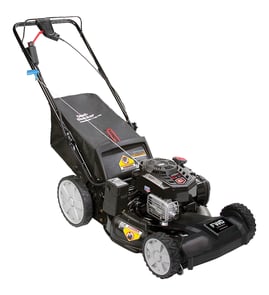


Are gas lawn mowers being phased out?
Gas walk-behind mowers like the Craftsman 917389621 are not being phased out nationwide; availability depends on local and state rules, and many areas still sell and service gasoline mowers. The bigger shift is that more homeowners are choosing battery models, while gas remains common.
What this means for your Craftsman 917389621
You can keep using, maintaining, and repairing this mower normally. Our best guidance is to follow the fuel, oil, and storage instructions in the 917389621 owner's manual so the engine runs cleanly and reliably.
- Use fresh regular unleaded gasoline; stale fuel is a top cause of hard starting.
- Keep the air filter clean and replace it when dirty.
- Change engine oil on schedule for your climate and mowing hours.
- Keep the blade sharp and the deck clean to reduce engine load.
- Store the mower safely; let the engine cool before putting it in an enclosed space.
Model-specific specs (from the manual)
The Craftsman 917389621 manual lists these specifications:
| Item | Specification |
|---|---|
| Gasoline capacity/type | 1.5 quarts, unleaded regular |
| Oil type (API-SF-SJ) | SAE 30 (above 32°F); SAE 5W-30 (below 32°F) |
| Oil capacity | 20 oz |
| Spark plug (gap) | Champion resistor type RJ19LM4; 0.045 in gap |
| Blade bolt torque | 35 to 40 ft-lbs |
If you are deciding between gas and battery
Rules vary by location, but the practical decision usually comes down to runtime, maintenance, and storage.
| Factor | Gas mower | Battery mower |
|---|---|---|
| Runtime | Refill and keep mowing | Limited by battery capacity and spares |
| Maintenance | Fuel, oil, spark plug, air filter | Mostly blade care and cleaning |
| Storage | Fuel handling matters | Battery charging and off-season storage matters |
Why it matters
Even where regulations change over time, the most common day-to-day problems are maintenance related (stale fuel, dirty air filter, dull blade). Following the manual keeps your 917389621 cutting well and starting easier.
Last updated: January 2026
How long can gas sit in a gas can for a lawn mower?
For the Craftsman 917389621 gas walk-behind lawn mower, we recommend using gasoline within about 30 days unless you treat it with a quality fuel stabilizer; stabilized fuel is typically usable for up to 6 to 8 months when stored correctly. Old fuel is a common cause of hard starting and poor performance.
Practical storage guidelines (gas can and mower)
- Use a clean, approved gas can and keep the cap tightly sealed.
- Store fuel in a cool, dry, well-ventilated area away from ignition sources.
- If fuel will sit more than 30 days, add stabilizer right away and mix thoroughly.
- Label the can with the date you filled it so you do not guess later.
- At season end, follow the storage steps in the Craftsman 917389621 owner's manual to avoid stale fuel issues.
What to do if the mower has stale fuel
If the mower has been sitting 30+ days with untreated fuel, stale gas can cause “won’t start” or “loss of power” symptoms.
- Drain the tank safely (outdoors, engine cool) and refill with fresh fuel.
- Check the air filter and replace if dirty.
- Inspect the spark plug and replace if fouled.
- If the blade hit something recently, check for a loose blade or damaged adapter.
- If performance still is not right, have the carburetor serviced (many are fixed-jet and not meant for mixture adjustment).
Quick reference table
| Fuel situation | Best practice | What you may notice if ignored |
|---|---|---|
| Fresh, untreated gas | Use within ~30 days | Hard starting, surging, loss of power |
| Gas with stabilizer | Use within ~6 to 8 months | Reduced risk, but still degrades over time |
| Gas left in mower for 30+ days | Drain and replace | No-start, rough running, stalling |
Why it matters
Fresh fuel protects the carburetor and helps your Craftsman mower start easily after storage. Stale gas is specifically called out as a troubleshooting cause for starting problems, so managing fuel age prevents many “won’t start” repairs.
Last updated: January 2026
What is the best walk behind a gas mower?
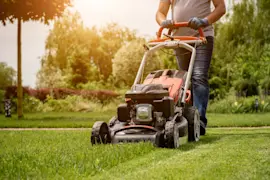
For most homeowners, the “best” gas walk-behind mower is the one that matches your yard size and how you want to handle clippings (mulch, bag, or side discharge). Your Craftsman 917389621 is designed for safe, straightforward operation with adjustable cutting height and mulching capability; use the 917389621 owner's manual to match features to your needs.
How to choose the best gas walk-behind mower for your yard
We recommend using these criteria to compare models and decide what “best” means for you:
- Yard size and terrain: flat vs. slopes, tight turns, obstacles
- Drive type: push vs. self-propelled (better for hills and larger lawns)
- Cutting height range: more positions helps handle seasonal growth
- Clipping options: mulching, rear bagging, side discharge
- Safety and control layout: easy-to-reach controls, strong operator presence control
- Maintenance access: blade service, air filter access, easy cleaning under the deck
What your Craftsman 917389621 already does well
Based on the operating and adjustment guidance in the manual, this model is built around practical lawn-care basics:
- Operator presence control bar must be held to run; releasing it stops the engine
- Cutting height adjustment at the wheels; a medium setting is best for most lawns
- Mulching-ready setup with the option to convert for bagging or discharging
- Safety guidance for real conditions (debris in yard, wet grass, slopes, crossing gravel)
Quick comparison: “best” depends on your priorities
| If you want... | Look for... | Why it matters |
|---|---|---|
| Less effort on hills | Self-propelled drive | Reduces pushing force and improves control |
| Cleaner lawn appearance | Rear bagging | Captures clippings and reduces thatch buildup |
| Faster mowing | Side discharge | Handles taller grass without filling a bag |
| Healthier lawn with less waste | Mulching | Returns fine clippings as nutrients |
Why it matters
A mower that fits your yard reduces stalling, uneven cutting, and vibration issues. It also helps you mow safely, especially on slopes and around debris.
Last updated: January 2026