Installation guide
 Owner’s manual
 Error Codes


Is a side by side or bottom freezer better?
A bottom-freezer refrigerator is typically better for everyday convenience and energy efficiency because the fresh-food section sits at eye level and cold air naturally settles downward. A side-by-side like the Frigidaire FRS6R4EB6 is better when you want narrow door swing and easy access to frozen foods.
| Feature | Side-by-side (like FRS6R4EB6) | Bottom freezer |
|---|---|---|
| Fresh-food access | Good, but shelves are narrower | Best (most-used items at eye level) |
| Freezer organization | Great for frequently used frozen items | Great for bulky frozen items (drawer/basket) |
| Door swing clearance | Usually better in tight kitchens | Often needs more clearance for wide doors |
| Energy use | Often slightly higher | Often slightly lower |
- Narrow doors that fit better in a tight aisle or galley kitchen
- Easy access to freezer shelves without bending
- A built-in ice and water dispenser setup (common on side-by-sides)
- More vertical storage for tall items (pizza boxes, frozen foods)
- The refrigerator section (most-used) at a comfortable height
- Better storage for wide platters and large frozen items
- Less cold-air loss from the freezer during quick access (drawer design)
No matter which style you choose, real-world performance depends heavily on setup and airflow. For example, keeping the refrigerator level helps the doors close tightly, which protects temperatures and reduces frost and moisture issues. The FRS6R4EB6 leveling guidance and temperature control tips are covered in the owner's manual.
- Level the refrigerator so doors seal tightly
- Leave space between packages so cold air can circulate
- Avoid overloading the freezer with warm food at once
- Keep the condenser area clean so the unit runs efficiently
Last updated: February 2026
What is a good side by side refrigerator?
A good side-by-side refrigerator is one that holds safe temperatures consistently, has tight door seals, provides reliable ice and water dispensing (if equipped), and fits your kitchen with proper airflow clearances. For Frigidaire model FRS6R4EB6, following the setup and maintenance steps in the owner's manual helps it perform like a “good” refrigerator day to day.
We focus on the traits that most directly affect food safety, convenience, and operating cost.
- Temperature stability: steady cooling in both fresh food and freezer sections
- Door seal quality: doors close tightly and do not leak air
- Air circulation space: correct clearances so the unit can breathe
- Ice and water reliability: consistent dispensing and ice production (if your model has it)
- Serviceability: common wear parts are available (filters, valves, gaskets, bulbs)
Even a great refrigerator performs poorly if it is installed too tight or out of level.
| Installation item | Practical target | Why it matters |
|---|---|---|
| Side and top clearance | 3/8 inch | Helps airflow and easier install |
| Back clearance | 1 inch | Room for ventilation and connections |
| Near a wall (hinge side) | 1/2 inch minimum | Allows the door to swing open |
If performance drops, these are frequent culprits on side-by-sides.
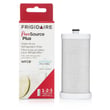
- A clogged water filter can reduce water flow and affect ice maker fill; use the correct refrigerator filter WFCB
- A leaking or weak valve can cause no ice, slow fill, or dripping; consider the refrigerator water inlet valve assembly 242252702
- A torn or warped seal can cause warm temps and frost; check the door gasket (this model uses multiple gaskets)
- A failed light can make the compartment seem “dead” even when cooling is fine
A “good” side-by-side is really about consistent temperatures and efficient operation. Proper clearances, a level cabinet so doors close tightly, and routine maintenance (like filter changes and condenser cleaning) prevent warm spots, frost buildup, and high energy use.
Last updated: February 2026
Why is my Frigidaire side by side freezer frosting up?
Freezer frost on your Frigidaire FRS6R4EB6 almost always comes from warm, humid air leaking in or poor airflow inside the freezer. Start by checking that the door closes fully, the gasket seals all the way around, and food packages are not blocking the cold air vents (your refrigerator relies on a circulating fan to maintain temperatures). See the owner's manual for control and airflow guidance.
- Door not sealing: look for gaps, wrinkles, or areas where the gasket is not touching the cabinet.
- Door left slightly open: bins, pizza boxes, or ice buildup can keep the door from closing.
- Blocked vents: items pushed against vents restrict circulation and can cause frost patterns.
- Frequent door openings: each opening brings in moisture that freezes on cold surfaces.
- High humidity: humid weather increases frost and interior sweating.
- Inspect the seal: close a sheet of paper in the door; it should drag when you pull it out.
- Clear airflow paths: keep a small gap between packages so cold air can circulate.
- Check temperature settings: adjust in small steps and allow 24 hours for temperatures to stabilize.
- Defrost the frost: move food to a cooler, unplug the refrigerator, and let frost melt; dry everything before restarting.
If the gasket is torn, hardened, or won’t seal after cleaning and warming it into shape, replacement is the lasting fix.
| Symptom you see | Likely issue | Part to consider |
|---|---|---|
| Frost mainly near door edge | Air leak at door | Refrigerator gasket 241786013 or refrigerator gasket 241786014 |
| Frost plus weak cooling or warm spots | Airflow problem (often blockage or fan issue) | Check vent blockage first; then inspect fan area |
Frost buildup reduces airflow, makes the freezer work longer, and can lead to temperature swings that affect food quality and ice production.
Last updated: February 2026
What does EF mean on a Frigidaire FRS6R4EB6 refrigerator?
On a Frigidaire FRS6R4EB6 side-by-side refrigerator, an EF code (often shown as SY EF or 5Y EF) points to a problem in the evaporator fan circuit. The freezer evaporator fan is what moves cold air through the freezer and into the fresh food section, so cooling can suffer until the fan issue is corrected. See the FRS6R4EB6 owner's manual for control and airflow guidance.
- Make sure food packages are not blocking the air vents; the manual notes that airflow must stay open for good circulation.
- Listen for the evaporator fan: it typically runs when the compressor is running and the doors are closed.
- Check for heavy frost on the freezer back panel (a defrost problem can stop airflow and trigger fan-related symptoms).
- Inspect door gaskets for gaps, tears, or areas not sealing; warm air leaks can create frost and airflow issues.
- Power reset: unplug the refrigerator for 5 minutes, then restore power and allow time for operation.
| What’s happening | What it usually indicates | Common next step |
|---|---|---|
| Fan is silent, freezer warms | Failed fan motor or fan not getting power | Inspect fan area for ice obstruction; test/replace fan components |
| Fan runs but code returns | Wiring issue or control problem | Check harness connections; inspect for pinched/damaged wires |
| Frost buildup, weak airflow | Defrost system issue | Check defrost thermostat and defrost components |
| Warm air leaks at doors | Gasket not sealing | Reseat/clean gasket; replace if warped or torn |
If troubleshooting points to a specific failure, these parts are commonly involved in airflow and defrost-related problems:
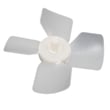
- Refrigerator evaporator fan blade 5308000010 (damaged blade can cause noise, rubbing, or poor airflow)
- Refrigerator defrost bi-metal thermostat 5303918214 (defrost control component; failures can lead to frost buildup)
The evaporator fan is the “air mover” for the entire refrigerator. When the fan circuit has a fault, the freezer may not circulate cold air properly, and the fresh food section often warms up first even if the compressor is still running.
- Use our Frigidaire refrigerator error codes reference to confirm the display format and related symptoms.
- If you suspect a fan issue, follow the steps in how to fix your evaporator cooling fan to narrow down whether it’s an obstruction, fan problem, or electrical issue.
Last updated: February 2026