Owner’s manual




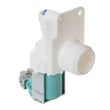
How to tell if a gas valve is bad on a dryer?
On a GE gas dryer like model GFD49GRPK0DG, a “bad gas valve” is usually diagnosed by symptoms during ignition: the igniter glows but the burner never lights, heat is intermittent, or the dryer tumbles with no heat even though the gas shut-off is fully open. Use the owner's manual to confirm basic gas-supply checks first.
- Igniter glows bright, then shuts off and no flame appears
- Dryer heats for a few minutes, then stops heating until it cools down
- You hear clicking/attempts to ignite, but the burner never lights
- Dryer tumbles normally but clothes stay cold and damp
- Heat is inconsistent across similar loads and cycles
The manual calls out a few basics that can mimic a bad valve.
- Confirm the gas service is on: the shut-off at the dryer and the main shut-off must be fully open
- If you use LP (propane), make sure the tank is not empty
- Check the home’s breakers/fuses; a dryer can run but not heat if a breaker is tripped
- Make sure airflow is strong (a restricted vent can cause overheating and shutdowns)
We recommend this sequence because it separates supply issues from component failures.
| Test | What you’re checking | What it tells you |
|---|---|---|
| Gas shut-off valves fully open | Gas supply to dryer | No gas supply can look like a bad valve |
| Observe ignition sequence | Igniter and burner behavior | Helps narrow to igniter, coils, or flame sensing |
| Electrical checks with power off | Coil resistance and wiring | Open/failed coils can prevent the valve from opening |
| Heat safety devices | Thermostat/thermistor/limit controls | A tripped or failed control can stop burner operation |
If ignition is failing, these model-matched parts are often part of the fix:
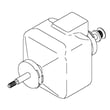
- Gas valve WE14X10109 (the valve body that opens to allow gas flow)
- Dryer burner igniter WE04X10183 (heats up to ignite the gas)
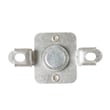
- Dryer high-limit thermostat WE04X10187 (can shut heat down if overheating occurs)
A dryer that tumbles but does not heat is often a gas-supply issue or a failing ignition component, not the drum belt or motor. Correct diagnosis prevents replacing expensive parts unnecessarily and helps restore safe, consistent drying.
Last updated: February 2026
What is the lifespan of a GE dryer?
A GE dryer like model GFD49GRPK0DG typically lasts about 13 years. Consistent airflow maintenance (lint filter and vent cleaning), avoiding overloads, and addressing unusual noises or heat issues early are the biggest factors that keep a dryer running longer.
Most household dryers fall into a predictable range.
| Dryer use and care | Typical lifespan | What you usually notice |
|---|---|---|
| Light use, excellent venting | 14 to 18 years | Fewer heat and wear issues |
| Average use, normal maintenance | 10 to 13 years | Occasional repairs over time |
| Heavy use, restricted venting | 7 to 10 years | Longer dry times, overheating, more wear |
Your GFD49GRPK0DG manual calls out several items that directly impact longevity.
- Clean the lint filter before every load.
- Never run the dryer without the lint filter installed.
- Have a qualified technician vacuum lint from inside the dryer about once a year.
- Inspect and clean the exhaust ducting at least once a year to prevent clogging.
- Check the outside exhaust hood flapper to make sure it opens freely during operation.
For the exact care instructions and intervals, follow the owner's manual.
Wear parts do not mean the dryer is “done”; they are often normal maintenance items.
- Thumping or squealing: drum support rollers such as the dryer drum support roller assembly WE03X10016
- Drum not turning or slipping: belt such as the dryer drum belt WE12X10020
- Rumbling or belt tension issues: idler assembly such as the idler asm (r WE12X10019
A dryer that is kept clear of lint and vent restrictions runs cooler, dries faster, and puts less strain on the motor, belt, and thermostats. That combination is what most often separates a 10-year dryer from a 15-year dryer.
Last updated: February 2026
What is the most common problem with a GE dryer?
The most common GE dryer problem is poor or no heat, and the most common cause behind that is restricted venting (kinked, crushed, or clogged ducting) that makes drying take too long. For your GE GFD49GRPK0DG, the troubleshooting steps in the owner's manual focus first on airflow and basic power or gas supply checks.
- Clothes take too long to dry: improper or obstructed ducting, outside damper not opening, or heavy loads
- Dryer tumbles but doesn’t heat: tripped breaker or blown fuse (electric), gas shutoff closed (gas), or empty LP tank
- Dryer shakes or makes noise: dryer not level, or worn drum support parts
- Lint on clothes: lint screen full, overloading, or poor sorting
- Static: overdrying or no fabric softener used
- Clean the lint screen before every load.
- Inspect the vent path for kinks, crushing, or lint buildup; confirm the outside wall damper moves freely.
- Re-sort loads (heavy items separate from lightweight items) and avoid overloading.
- If it tumbles but won’t heat, check the home’s breakers or fuses (many dryers need both sides of the supply).
- For gas models, confirm the gas shutoff valves are fully open.
If airflow and power or gas supply are good, these are frequent wear items we see tied to common complaints:
| Symptom | Likely area | Example part for this model |
|---|---|---|
| Squeaking, thumping, rumbling | Drum support system | Dryer drum support roller assembly WE03X10016 |
| Drum not turning or slipping | Belt and idler system | Dryer drum belt WE12X10020 |
| No heat on a gas dryer | Ignition system | Dryer burner igniter WE04X10183 |
Restricted venting is the root of many “GE dryer problems” because it slows drying, increases heat stress on thermostats and sensors, and can make the dryer seem like it is not heating even when it is.
Last updated: February 2026