


What is the average lifespan of a GE dishwasher?
A GE dishwasher typically lasts 10 to 12 years with normal household use. For your GE PDW7700G00CC, consistent cleaning and quick fixes for draining, leaking, or poor washing issues help you reach the high end of that range.
Typical lifespan range (what to expect)
Most dishwashers fall into a predictable window based on use and care:
| Use and care level | Typical lifespan | What usually ends the run |
|---|---|---|
| Light use, well maintained | 12 to 15 years | Pump/motor wear, leaks |
| Average family use | 10 to 12 years | Drain or wash performance decline |
| Heavy use, minimal maintenance | 8 to 10 years | Repeated clogs, seal failures |
What shortens a dishwasher’s life fastest
These are the most common lifespan killers we see on GE dishwashers:
- Running with a dirty filter or debris in the sump (strains the pump and spray system)
- Chronic draining problems (often tied to a kinked hose or a weak drain pump)
- Leaks at the door or tub seal (water damage and corrosion over time)
- Hard water buildup (reduces cleaning performance and increases wear)
- Overloading or blocking spray arms (forces longer cycles and poor results)
Maintenance that adds years (simple, high impact)
We recommend these habits for the PDW7700G00CC:
- Clean the filter area regularly; replace the filter if it is damaged or won’t rinse clean (see dishwasher filter WD12X10109)
- Check the drain path for clogs and make sure the hose routing is smooth (see dishwasher drain hose WD24X10014)
- Inspect the door and tub sealing surfaces; replace a flattened or torn seal (see dishwasher tub gasket WD08X10018)
- Keep spray arms clear of mineral scale and food particles
- Use the right detergent amount for your water hardness
Why it matters
A dishwasher near the end of its lifespan often shows up as poor cleaning, standing water, or intermittent leaks. Addressing those early usually costs less than running the unit until a pump, motor, or seal failure causes bigger problems.
Last updated: February 2026
What is the most common problem with GE dishwashers?
For GE dishwashers like model PDW7700G00CC, the most common problems we see are not draining, not cleaning well, and leaking. In many cases, the fix is basic maintenance (filter and spray-arm cleaning) or a targeted part replacement such as the drain pump or tub gasket.
Most common issues (and what they usually point to)
- Dishwasher won’t drain: clogged filter area, blocked drain hose, or a failing drain pump
- Poor cleaning: clogged spray-arm holes, restricted filter, or circulation issues
- Leaks at the door or bottom: worn tub gasket or door sealing surfaces needing cleaning
- Not filling or fills slowly: water inlet valve problem or supply shutoff not fully open
- Stops mid-cycle or acts “dead”: door switch/latch alignment, control issue, or error code condition
Quick checks we recommend first
- Cancel/Drain the cycle and listen for the drain pump running.
- Remove and clean the filter area; if your model uses a removable filter, clean it thoroughly (no grease film).
- Inspect the drain path: sink/disposer connection, air gap (if used), and hose routing for kinks.
- Check spray arms for blocked jets and confirm they spin freely.
- Look for standing water or wet insulation under the tub after a cycle.
Parts that commonly solve these symptoms on PDW7700G00CC
| Symptom | Common fix | Example part for this model |
|---|---|---|
| Not draining | Replace drain pump or clear restriction | Dishwasher drain pump WD26X10016 |
| Leaking | Replace tub gasket | Dishwasher tub gasket WD08X10018 |
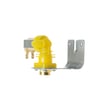
| Not filling | Replace inlet valve | Dishwasher water inlet valve WD15X10014 |
| Poor cleaning | Clean/replace filter, check spray arm hub | Dishwasher filter WD12X10109 |
Error codes can speed up the diagnosis
If your GE dishwasher displays an error code, matching it to the symptom helps you avoid replacing the wrong part. Use our GE dishwasher error codes reference to narrow the failure to draining, filling, heating, or control-related problems.
Why it matters
Drain, fill, and leak problems can trigger safety shutoffs, leave dirty water in the tub, or cause repeat cycle failures. Catching a clogged filter or a weak drain pump early often prevents bigger pump-and-motor damage.
Last updated: February 2026
Is GE profile considered high end?
Yes. GE Profile is generally considered GE’s higher-end mainstream line, positioned above standard GE models with more premium features and finishes; it is typically below GE’s luxury lines (such as Café and Monogram) in overall price and design tier.
What “high end” means in real-world terms
When customers call a dishwasher “high end,” they usually mean a combination of performance, features, and fit-and-finish.
- More wash options and sensors (soil sensing, targeted spray patterns)
- Quieter operation compared with entry-level models
- More premium racks, handles, and control styling
- More electronic features (status indicators, specialized cycles)
- Higher typical repair-part complexity (more control and sensor components)
How this applies to your GE PDW7700G00CC dishwasher
For the GE PDW7700G00CC, “Profile-level” expectations usually show up as stronger cleaning and more feature-driven operation than basic models. If you are maintaining performance, keeping core wash and drain components in good shape matters most.
Common parts that affect day-to-day results include:
- Dishwasher filter WD12X10109 (helps prevent debris from recirculating)
- Dishwasher detergent dispenser assembly WD12X10163 (releases detergent at the right time)
- Dishwasher drain pump WD26X10016 (pushes water out during drain)
- Dishwasher water inlet valve WD15X10014 (controls fill water entering the tub)
Quick comparison: GE tiers (typical positioning)
| GE family | Typical positioning | What you usually get |
|---|---|---|
| GE (standard) | Value to mid-range | Basic cycles, fewer premium features |
| GE Profile | Mid-to-high end | More features, quieter builds, upgraded styling |
| Café / Monogram | Premium / luxury | Design-forward, top-tier features and pricing |
Why it matters
Knowing the tier helps set expectations for repair decisions. A GE Profile dishwasher like PDW7700G00CC is often worth maintaining because performance issues are frequently solved with targeted fixes (filtering, filling, draining, or detergent dispensing) rather than replacing the whole unit.
Last updated: February 2026
Can a clogged drain cause an FTD error?
Yes. On the GE PDW7700G00CC dishwasher, an FTD (fail to drain) error commonly happens when water cannot leave the tub fast enough because the drain path is restricted, such as by a clogged filter, blocked hose, or a jammed drain pump.
What to check first (fast, no-parts steps)
- Cancel the cycle and let the unit try to drain; listen for the drain pump running.
- Remove standing water (cup or wet/dry vac) so you can inspect the sump area.
- Clean the filter area and any debris around the drain intake; a blocked filter can trigger FTD.
- Check the sink/disposal inlet where the dishwasher drain connects; clear any blockage.
- Inspect the drain hose routing for kinks, pinches, or a sag that traps water.
- Verify the high loop (or air gap, if used) is in place to prevent backflow.
Parts that commonly fix an FTD (when cleaning is not enough)
If the drain path is clear but the dishwasher still will not drain, these model-matched parts are common fixes:
| Symptom | Most likely cause | Model-matched part to consider |
|---|---|---|
| Pump hums but little or no water exits | Pump impeller jammed or pump failing | Dishwasher drain pump WD26X10016 |
| Drains slowly, then errors | Partial restriction in hose | Dishwasher drain hose WD24X10014 |
| Overfilling or odd water level behavior that leads to drain issues | Float stuck or not switching correctly | Dishwasher float assembly WD12X10047 |
Why it matters
FTD is not just an “annoying code”; when water cannot drain, the dishwasher can stop mid-cycle, leave dirty water in the tub, and sometimes back up into the sump, which reduces cleaning performance and can create odors.
Helpful GE troubleshooting resources
- Use GE electronic dishwasher error codes to confirm what the control is detecting and what checks to run in order.
Last updated: February 2026
How to replace filter in GE dishwasher?
On the GE PDW7700G00CC dishwasher, replacing the filter is a quick twist-and-lift job: remove the lower rack, unlock the old filter, lift it out, then seat the new filter and twist it clockwise until it locks so wash water can circulate and drain properly.
Steps to replace the dishwasher filter
- Turn the dishwasher off; let the tub cool if it just ran.
- Pull out and remove the lower rack for clear access to the sump area.
- Remove the old filter by turning it counterclockwise (or releasing its lock) and lifting it out.
- Rinse the filter housing area; wipe out any debris or broken glass.
- Install the replacement by setting it in place and twisting clockwise until it locks.
- Reinstall the lower rack and run a short rinse cycle to confirm normal flow.
If you are replacing the fine filter for this model, match it to the correct part listing for PDW7700G00CC, such as the dishwasher filter WD12X10109.
Quick checks if the filter will not lock in
- The filter is not fully seated in the sump opening.
- Debris is preventing the filter tabs from engaging.
- The lower spray arm hub area is loose or obstructing the filter.
- The filter is cross-threaded or rotated the wrong direction.
| What you see | What it usually means | What to do |
|---|---|---|
| Grity water, poor cleaning | Filter clogged | Clean or replace the filter |
| Standing water after cycle | Drain path restricted | Check filter area and drain system |
| Filter pops loose | Not locked or tabs worn | Reinstall; replace if it will not lock |
Why it matters
A properly installed filter helps keep food soil out of the circulation pump and drain pump, improves cleaning performance, and reduces the chance of clogs that can lead to slow draining.
For related troubleshooting, we also use the GE dishwasher error codes guide to interpret any drain or wash faults that show up after a filter issue.
Last updated: February 2026
Can I replace dishwasher parts myself?
Yes. For the GE PDW7700G00CC dishwasher, we can usually replace basic wear parts ourselves (filters, spray components, hoses, and some door sealing parts) with standard hand tools after shutting off power and water. For wiring-heavy repairs, we recommend using a careful, step-by-step approach.
Good DIY repairs vs. better left to a pro
Typically DIY-friendly
- Cleaning or replacing a clogged filter such as the dishwasher filter WD12X10109
- Replacing a leaking or kinked drain line like the dishwasher drain hose WD24X10014
- Swapping a spray component if dishes are not getting clean (for example, the arm spray lo WD22X10047)
- Replacing a sticking detergent door assembly like the dishwasher detergent dispenser assembly WD12X10163
- Replacing a float that is stuck or waterlogged such as the dishwasher float assembly WD12X10047
Often better left to a pro (or advanced DIY)
- Pump and motor work (leak checks, wiring, seals, mounting)
- Electrical diagnostics (control issues, harness damage)
- Water supply plumbing changes beyond a simple valve swap
Safety checklist before you start
- Turn off power at the breaker (dishwashers are hardwired in many homes)
- Shut off the water supply valve under the sink
- Protect the floor; keep towels and a shallow pan ready
- Take photos of wire and hose routing before disconnecting anything
- Run a short test cycle after reassembly and check for leaks
Common symptoms and the part area to check
| Symptom | Most common area | Example part for PDW7700G00CC |
|---|---|---|
| Not draining | Drain path or drain pump | Dishwasher drain pump WD26X10016 |
| Not filling | Water inlet valve or float | Dishwasher water inlet valve WD15X10014 |
| Poor cleaning | Filter or spray arm | Dishwasher filter WD12X10109 |
| Leaking at door | Door/tub sealing surfaces | Dishwasher tub gasket WD08X10018 |
Why it matters
Replacing the right GE dishwasher part early prevents secondary damage (motor strain from clogs, cabinet damage from leaks, and repeat wash failures). It also keeps cycle times and cleaning performance closer to normal.
For troubleshooting steps that match what you see on the control, use GE dishwasher error codes.
Last updated: February 2026





