



What is the life expectancy of a gas leaf blower?
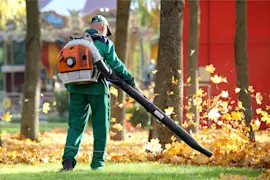
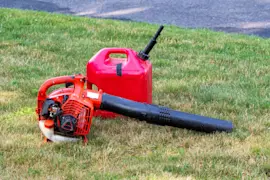
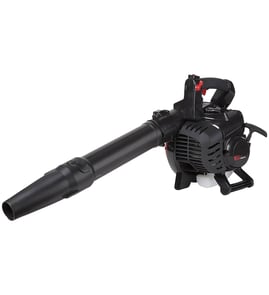
A gas leaf blower like Craftsman model 944518252 typically lasts about 8 to 10 years with normal homeowner use and routine maintenance. With excellent care (clean air filtration, fresh fuel, and good storage habits), it’s common to reach 10+ years before major engine or fuel-system repairs become frequent.
What most affects lifespan
- Fuel quality and storage: old fuel and ethanol-related varnish shorten carburetor life
- Air filtration: a clogged filter makes the engine run rich and wear faster
- Cooling airflow: debris buildup can overheat the engine
- Usage pattern: long full-throttle sessions increase wear compared to short cleanups
- Maintenance frequency: small tune-up items prevent expensive failures
Maintenance checklist to help your 944518252 last longer
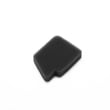
- Replace or clean the air filter regularly; a good starting point is the leaf blower air filter 545146501
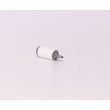
- Inspect fuel lines for soft spots, cracks, or leaks; replace as needed with the ayp lawn & garden equipment fuel line, large 530069216
- Use fresh, properly mixed fuel (and empty the tank for long storage)
- Keep the intake and cooling areas clear of leaves and dust
- Check fasteners and housings for looseness or vibration damage
Quick guide: “normal wear” vs “time to repair”
| Symptom | Most common cause | Typical fix |
|---|---|---|
| Hard starting after storage | stale fuel, gummed carburetor | drain fuel, clean fuel system |
| Runs but lacks power | dirty air filter, restricted airflow | service air filter, clean intake |
| Surges or won’t idle | air leak or fuel delivery issue | inspect fuel line, carb adapter |
| Fuel smell or wet spots | cracked fuel line | replace fuel line |
Why it matters
A gas blower’s engine depends on clean air and clean fuel. Staying ahead of small items like the air filter and fuel line helps prevent carburetor problems, overheating, and premature engine wear.
Last updated: January 2026
Are gas leaf blowers being phased out?
Gas leaf blowers are being phased out in many areas through local noise and emissions rules, but they are not universally banned. For a Craftsman 944518252 gas leaf blower, availability and where you can use it depends on your city or county regulations, not the blower itself.
What “phased out” usually means
Most phase-outs happen in one of these ways:
- A city bans using gas-powered blowers during certain hours or in certain zones
- A city bans the sale of new gas blowers after a specific date
- Commercial crews face stricter rules than homeowners
- Enforcement focuses on noise complaints rather than inspections
- Rules include exemptions (seasonal cleanup, public works, permitted contractors)
Quick checks before you buy parts or keep using it
If you plan to keep your Craftsman blower running, confirm local rules first, then maintain it so it runs cleanly and reliably.
- Check your city and county website for “leaf blower ordinance” or “gas-powered landscaping equipment”
- Ask your HOA if it has separate restrictions
- Use fresh, properly mixed fuel (common cause of smoke and hard starting)
- Replace a dirty air filter to reduce rich running and power loss
- Inspect fuel lines for cracks or soft spots that can cause leaks and poor performance
Parts that commonly help performance and emissions
These parts are frequently replaced on the Craftsman 944518252 when it runs rough, smokes, or won’t stay running:
| Symptom | Common maintenance fix | Example part for this model |
|---|---|---|
| Low power, bogging | Clean or replace air filter | Leaf blower air filter 545146501 |
| Fuel smell, hard starting | Replace cracked fuel line | Ayp lawn & garden equipment fuel line, large 530069216 |
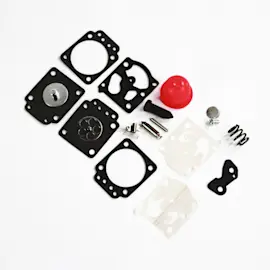
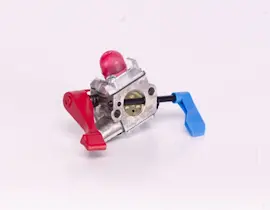
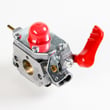
| Starts then dies, surging | Carburetor service or replacement | Ayp leaf blower carburetor 545081857 |
Why it matters
Local phase-outs can affect whether it’s worth investing in repairs. If gas blower use is restricted where you live, you may choose minimal maintenance only; if it’s allowed, keeping the fuel system and air filter in good shape helps performance and reduces smoke.
Last updated: January 2026
Is it better to have more mph or cfm in a leaf blower?
For a Craftsman leaf blower like model 944518252, neither MPH nor CFM is automatically “better”; CFM (air volume) moves piles of dry leaves faster, while MPH (air speed) helps break loose wet, stuck, or matted debris. The best choice depends on what you clean most often.
What MPH and CFM actually do
- Higher CFM: moves more material per pass (best for large areas and light, dry debris)
- Higher MPH: delivers more punch at the nozzle (best for wet leaves and stubborn clumps)
- Balanced ratings: usually feels strongest in real-world yard cleanup
- Nozzle choice matters: a narrower nozzle can increase “felt” speed at the tip
Quick guide: which spec to prioritize
| Your typical cleanup | Prioritize | Why |
|---|---|---|
| Dry leaves on lawns or driveways | Higher CFM | Moves more volume to gather and push piles |
| Wet leaves, pine needles, stuck debris | Higher MPH | Breaks debris loose and pushes it out of corners |
| Mixed conditions (most homeowners) | Balanced MPH + CFM | Versatile performance across seasons |
| Tight areas (beds, corners, gutters edge) | Higher MPH + focused nozzle | Better control and targeted force |
Common performance ranges (helpful when comparing blowers)
Most handheld gas blowers land in these general ranges:
- CFM: about 350 to 700
- MPH: about 150 to 200
- Higher numbers usually mean more power, but also more noise and fuel use
Why it matters
If you buy based on only one number, the blower can feel underpowered in the situations you face most. Matching CFM to volume and MPH to stubborn debris helps you get faster cleanup with less fatigue.
Related part that can affect performance
A clogged air filter can reduce power and airflow, making even a strong blower feel weak. If performance drops, inspect and replace the leaf blower air filter 545146501 as part of basic maintenance.
Last updated: January 2026