Owner’s manual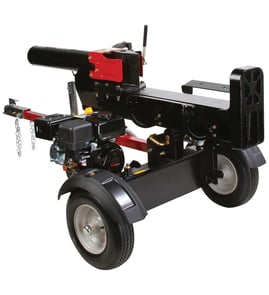

How big a log will a 22 ton log splitter handle?
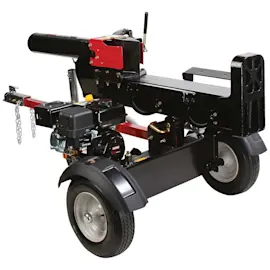
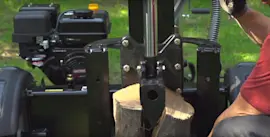
On the Swisher LS722H 22-ton log splitter, we recommend splitting logs 24 inches long or less. Diameter varies widely by wood species, knots, and moisture; for best results, start with straight-grain rounds and re-split oversized pieces.
What the LS722H is designed to handle
The LS722H is rated at 22 tons of splitting force and is intended for typical firewood rounds when used correctly in horizontal or vertical position.
Practical guidelines for log size:
- Maximum length: 24 in (cut ends as square as possible)
- Diameter: no fixed maximum; larger diameters often require re-splitting
- Best candidates: straight grain, minimal knots, seasoned wood
- Harder splits: crotches, twisted grain, very wet rounds
- Safer handling: keep hands on the sides of the log, not the ends
For the model-specific operating limits and safety rules, use the LS722H owner's manual.
Why diameter is not a single number
A 22-ton hydraulic log splitter can push through many rounds, but diameter alone does not predict difficulty. Grain direction and defects change the force needed more than an extra inch or two of thickness.
| Log characteristic | What you will notice | What to do |
|---|---|---|
| Straight grain | Splits quickly and cleanly | Split normally |
| Knots or crotches | Wedge stalls or splits unevenly | Rotate the round; split from an edge |
| Very wet wood | Fibers stretch and resist | Make smaller bites; consider seasoning |
| Oversized diameter | Slow progress, frequent stalls | Re-split into halves/quarters first |
Tips to get cleaner, faster splits
- Cut both ends of the log as square as possible to reduce slipping.
- Split with the grain only; never try to split across the grain.
- Use vertical position for heavier rounds to reduce lifting.
- Keep bystanders at least 20 feet away; only one operator should load and run the splitter.
- Maintain the hydraulic system and watch for leaks around the cylinder, pump, and valve.
Why it matters
Staying within the 24-inch maximum log length helps prevent the log from sliding, improves wedge contact, and reduces the chance of kick-out or loss of control. Correct log prep also reduces strain on the hydraulic cylinder, pump, and control valve.
To find diagrams and replacement parts by model number, search Sears PartsDirect.
Last updated: February 2026
What are common problems with log splitters?
Common problems on the Swisher LS722H log splitter fall into two buckets: hydraulic issues (slow or weak ram, leaks, wedge not extending) and engine or operating issues (won’t start, rough running, unsafe setup). Most fixes start with safe operation, correct fluid levels, and checking for leaks or restrictions using the procedures in the LS722H owner's manual.
Most common symptoms and likely causes
- Ram is slow or lacks splitting force: low hydraulic fluid, aerated fluid (air in system), cold/thick fluid, worn pump, or a sticking control valve.
- Hydraulic oil leaks: loose fittings, damaged hoses, worn cylinder seals, or a leaking pump/valve body.
- Wedge will not extend or retract smoothly: air in hydraulics, binding on the beam, or internal cylinder bypass.
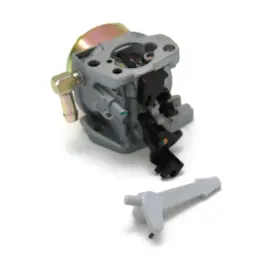
- Engine won’t start or runs rough: stale fuel, clogged fuel line/filter, dirty carburetor, fouled spark plug, or low oil (many engines have low-oil shutdown).
- Unsafe or inconsistent splitting: logs not cut square, splitting across the grain, uneven ground, or more than one person in the work area.
Quick checks we recommend (safe and practical)
- Operate outdoors only with ventilation; never run the engine in an enclosed area.
- Set up on level ground, block the wheels, and keep bystanders at least 20 feet away.
- Inspect for fresh hydraulic oil around the cylinder, pump, valve, and hose connections.
- Confirm logs are 24 inches or less and cut as square as possible for stable contact.
- For fuel issues, inspect the fuel line and tank for cracks or restrictions; follow how to replace a log splitter fuel line if the line is brittle or leaking.
Symptom-to-fix guide
| What you notice | What to check first | What usually fixes it |
|---|---|---|
| Slow ram | Hydraulic fluid level, air in system | Top off fluid, cycle/bleed air, check for suction leaks |
| Weak splitting | Log position, wedge condition, fluid condition | Center the log, sharpen wedge, service hydraulics |
| Oil leak | Fittings, hoses, cylinder rod/seals | Tighten fittings, replace hose/seals |
| Won’t start | Fuel quality, spark plug, carburetor | Fresh fuel, plug service, carburetor cleaning/replacement |
Why it matters
Hydraulic and engine problems reduce splitting force, but safety and setup issues create the biggest risk. The LS722H manual stresses single-operator use, proper PPE (eye and hearing protection), and never reaching across the splitting area. Following those rules prevents injuries and also improves performance.
For replacement parts, use the parts list for your Swisher LS722H, or search by model on Sears PartsDirect.
Last updated: February 2026
What is the best log splitter for your money?
The best value log splitter is the one that matches your typical log diameter, wood species, and how often you split. For most homeowners, a mid-range hydraulic splitter (commonly 20 to 30 tons) delivers the best cost-to-performance; use the LS722H owner's manual to follow safe, one-operator setup and operation on your Swisher LS722H.
What to prioritize for the best value
- Right tonnage for your wood: Straight-grain wood needs less force than knotty rounds.
- Cycle time: Faster extend and retract improves productivity more than a small tonnage increase.
- Less lifting: Vertical splitting capability is a strong value feature if you handle heavy rounds.
- Serviceable hydraulics: Easy access to reservoir, hoses, and fittings lowers long-term cost.
- Stable, safe operation: Level ground and blocked wheels prevent damage and downtime.
Quick comparison: best value by use case
| Your situation | Best value type | Typical tonnage range |
|---|---|---|
| Occasional use, small rounds | Electric or small gas hydraulic | 5 to 15 |
| Regular homeowner use | Gas hydraulic | 20 to 30 |
| Large, knotty rounds often | Heavy-duty gas hydraulic | 30 to 40 |
Safety basics that protect your investment (LS722H)
Our Swisher LS722H is intended only for splitting wood and for single-operator use. Operate outdoors with ventilation, keep others at least 20 feet away, and wear eye and hearing protection.
- Operate only on level ground with wheels blocked
- Avoid wet, muddy, or icy surfaces
- Wear safety glasses, hearing protection, steel-toed shoes, and snug gloves
Maintenance that keeps “value” high
- Use the correct hydraulic fluid and keep the reservoir properly filled
- Address leaks early; see log splitter hydraulic cylinder leaks
- Keep fuel lines in good condition; see how to replace a log splitter fuel line
Why it matters: The best “for your money” splitter is the one that splits your normal wood safely with the lowest maintenance cost per cord.
Last updated: February 2026