Get free shipping on your order, with any water filter subscription. Find my filter

Open Hamburger Menu
Sears Parts Direct
Tips to find your model number
GE GTW330ASK1WW washer

GE GTW330ASK1WW washer Parts

Here are the diagrams and repair parts for GE GTW330ASK1WW washer, as well as links to manuals and error code tables, if available.

By Schematic
By Part
SELECT DIAGRAM
?

This is the number corresponding to the part on the diagram / schematic

Browse Parts for GTW330ASK1WW Washer

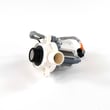
  • Washer Shifter Assembly for GE GTW330ASK1WW - Part WH03X30517

    Tub & motor diagram

    Washer Shifter

    Part #WH05X25036

    Replaced by #WH03X30517

    Info Icon
    Manufacturer substitution
    This part replaces WH05X25036. Substitute parts can look different from the original.
    In Stock
    $47.58
    11% OFF Phone Price : $53.58Info Icon
    Minus Item
    Qty
    Plus Item
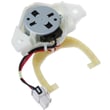
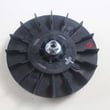
  • Washer Clutch for GE GTW330ASK1WW - Part WH05X24185

    Tub & motor diagram

    Washer Clutch

    In Stock
    $30.67
    16% OFF Phone Price : $36.67Info Icon
    Minus Item
    Qty
    Plus Item
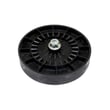
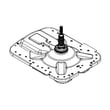
  • Washer Gear Case for GE GTW330ASK1WW - Part WH03X33729

    Tub & motor diagram

    Washer Gear Case

    In Stock
    $117.59
    9% OFF Phone Price : $129.59Info Icon
    Minus Item
    Qty
    Plus Item
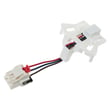
  • Washer Speed Sensor for GE GTW330ASK1WW - Part WH03X32158

    Tub & motor diagram

    Washer Speed Sensor

    Part #WH12X25294

    Replaced by #WH03X32158

    Info Icon
    Manufacturer substitution
    This part replaces WH12X25294. Substitute parts can look different from the original.
    In Stock
    $30.64
    16% OFF Phone Price : $36.64Info Icon
    Minus Item
    Qty
    Plus Item
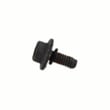
  • Washer Screw for GE GTW330ASK1WW - Part WH02X24374

    Tub & motor diagram

    Washer Screw

    In Stock
    $8.48
    11% OFF Phone Price : $9.48Info Icon
    Minus Item
    Qty
    Plus Item
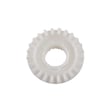
  • Washer Hub Nut for GE GTW330ASK1WW - Part WH02X10363

    Tub & motor diagram

    Washer Hub Nut

    In Stock
    $15.42
    11% OFF Phone Price : $17.42Info Icon
    Minus Item
    Qty
    Plus Item
  • Lid Lock for GE GTW330ASK1WW - Part WH08X37938

    Top panel & lid diagram

    Washer Lid Lock

    Part #WH01X24114

    Replaced by #WH08X37938

    Info Icon
    Manufacturer substitution
    This part replaces WH01X24114. Substitute parts can look different from the original.
    In Stock
    $78.53
    7% OFF Phone Price : $84.53Info Icon
    Minus Item
    Qty
    Plus Item
  • Washer Lid Lock Strike for GE GTW330ASK1WW - Part WH02X24399

    Top panel & lid diagram

    Washer Lid Lock Strike

    Part #WH02X24399

    The manufacturer no longer makes this part, and there's no substitute part

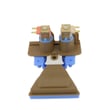
  • Washer Water Inlet Valve Assembly for GE GTW330ASK1WW - Part WH13X26534

    Top panel & lid diagram

    Washer Water Inlet Valve Assembly

    In Stock
    $34.98
    15% OFF Phone Price : $40.98Info Icon
    Minus Item
    Qty
    Plus Item
  • Washer Electronic Control Board for GE GTW330ASK1WW - Part WH22X29556

    Controls & backsplash diagram

    Washer Electronic Control Board

    Part #WH18X26217

    Replaced by #WH22X29556

    Info Icon
    Manufacturer substitution
    This part replaces WH18X26217. Substitute parts can look different from the original.
    This item is not returnable
    In Stock
    $239.89
    Minus Item
    Qty
    Plus Item

GE Washer GTW330ASK1WW FAQs

Common problems we see on GE washers like model GTW330ASK1WW include leaking, not draining, not spinning or agitating, excessive vibration or noise, and musty odors. Many issues start with load size, detergent use, or a clogged drain path, but worn parts can also be the root cause; see the GTW330ASK1WW manual for model-specific operating and care guidance.

Most common symptoms and likely causes

  • Washer leaks: loose fill hoses, worn hose washers, oversudsing, or a drain hose issue
  • Won’t drain: clogged pump inlet, kinked drain hose, or a failing drain pump
  • Won’t spin or agitate: lid lock not engaging, worn drive belt, shifter problem, or control issue
  • Loud banging or shaking: unbalanced load, weak suspension, or an out-of-level cabinet
  • Bad odor: detergent buildup, standing water, or leaving the lid closed between loads

Quick checks we recommend first (no parts required)

  • Run a smaller load and redistribute bulky items (towels, blankets) evenly.
  • Use the correct amount of HE detergent; too much can cause oversudsing and drainage problems.
  • Confirm the washer is level and stable on the floor.
  • Check the drain hose for kinks and make sure it is not shoved too far down the standpipe.
  • Clean the tub and dispensers regularly; leave the lid open to dry between loads.

Parts that commonly solve these problems on GTW330ASK1WW

If basic checks do not help, these model-matched parts are frequent fixes:

Symptom Part to inspect on GTW330ASK1WW What it affects
Won’t drain / drains slowly Washer drain pump assembly WH23X28418 Pumps water out during drain and spin
Won’t spin / stops mid-cycle Washer lid lock WH08X37938 Prevents spin if the lid is not locked
Slow or no agitation/spin Washer drive belt WH01X24697 Transfers motor power to the drive system
Excessive vibration Washer suspension rod kit WH16X26908 Stabilizes the tub during spin

Error codes can narrow it down fast

If your GTW330ASK1WW is showing a code, match it to the failure area before replacing parts. Use our GE gtw top load washer error codes reference to identify what the washer is detecting.

Why it matters

Catching a drain, spin, or vibration problem early helps prevent secondary damage (for example, water leaks, repeated out-of-balance events, or strain on the drive system) and can keep a simple repair from turning into a bigger one.

Last updated: January 2026

A GE washing machine typically lasts 10 to 14 years. For your GE GTW330ASK1WW washer, that same 10 to 14-year lifespan is the practical expectation when it is installed correctly, not overloaded, and kept clean per the GTW330ASK1WW owner’s manual.

What affects lifespan the most

  • Load size and balance: frequent overloading or consistently unbalanced loads shortens life.
  • Detergent use: too much detergent can cause residue buildup and extra strain.
  • Water quality: hard water can increase mineral buildup in valves and hoses.
  • Drain performance: slow draining makes the pump work harder and can lead to failures.
  • Vibration and leveling: an unlevel washer increases wear on suspension and drive components.

Typical lifespan ranges (what we see most often)

Washer type Typical life expectancy Notes
Top-load washer (like GTW330ASK1WW) 10 to 14 years Often very durable with routine care
Front-load washer 10 to 14 years Door boot and drainage maintenance matter more

Maintenance steps that help you reach 10 to 14 years

  • Keep loads below the top of the basket and distribute items evenly.
  • Run periodic cleaning cycles and wipe down the tub and lid area.
  • Check fill hoses for bulges or leaks and replace aging hoses proactively.
  • If draining slows or you hear unusual pump noise, inspect the drain path; the washer drain pump assembly WH23X28418 is a common wear item on many washers.
  • Level the washer and correct excessive vibration early to protect the suspension.

Why it matters

Knowing the expected lifespan helps you decide whether to repair or replace. If your GTW330ASK1WW is under about 10 years old, repairs like a drain pump, lid lock, or belt are often cost-effective compared with replacing the entire washer.

Last updated: January 2026

For the GE GTW330ASK1WW washer, the most reliable “hard reset” we can recommend without using a model-specific service procedure is a power reset: stop the cycle, turn the knob to Off, disconnect power for a few minutes, then restore power and restart a cycle. For any GE-specific reset or diagnostic steps, use the GTW330ASK1WW washer manual.

Hard reset (power reset) steps

  • Press Start/Pause to stop the cycle.
  • Turn the cycle selector to Off.
  • Unplug the washer (or switch the breaker Off).
  • Wait 2 to 5 minutes.
  • Restore power.
  • Start a new cycle; if needed, run a short Rinse/Spin or Drain/Spin with the tub empty.

If the same problem comes back after the reset

A power reset can restart the control and clear a one-time “stuck” condition, but if the symptom repeats, we treat it as a sign to check the system involved (lid lock, draining, or drive).

Common checks on a top-load GE washer like GTW330ASK1WW:

  • Lid closes fully and the lock engages
  • Tub drains completely and the drain hose is not kinked
  • Load is balanced (out-of-balance events can stop or pause cycles)
  • Outlet and breaker are stable (no loose plug or tripped breaker)

Parts to consider when symptoms match

Symptom What to inspect next Model-compatible example part
Won’t start or stops when lid is closed Lid lock and related wiring Washer lid lock WH08X37938
Won’t drain or won’t spin with water left in tub Drain pump and drain hose routing Washer drain pump assembly WH23X28418
Agitates but won’t spin (or vice versa) Shifting and speed feedback Washer shifter WH03X30517

Why it matters

Resetting is a quick first step after a power flicker or interrupted cycle. If the washer repeatedly stops, won’t drain, or won’t lock, focusing on the matching system helps you avoid repeat shutdowns and unnecessary part swaps.

Last updated: January 2026
Most common symptoms to help you fix your washers

Choose a symptom to see related washer repairs.

Main causes: clogged drain hose, house drain clogged, bad drain pump, water-level pressure switch failure, bad control b…

Main causes: broken lid switch or lid lock, bad pressure switch, broken shifter assembly, faulty control system…

Main causes: worn agitator dogs, bad clutch, broken motor coupler, shifter assembly failure, broken door lock, suspensio…

Main causes: water heater failure, bad water temperature switch, faulty control board, bad water valve, faulty water tem…

Main causes: lack of electrical power, wiring failure, bad power cord, electronic control board failure, bad user interf…

Main causes: no water supply, bad water valves, water-level pressure switch failure, control system failure, bad door lo…

Main causes: unbalanced load, loose spanner nut, worn drive block, broken shock absorber or suspension spring, debris in…

Main causes: leaky water inlet valve, faulty water-level pressure switch, bad electronic control board…

Main causes: bad lid switch or door lock, bad timer or electronic control board, wiring failure, bad water inlet valve a…

Repair guides for electric ranges

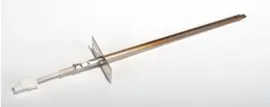
How to replace an oven temperature sensor on an electric range

How to replace an oven temperature sensor on an electric range

These step-by-step instructions guide you through replacing an oven temperature sensing probe.…

Repair time and Difficulty

 15 minutes or less
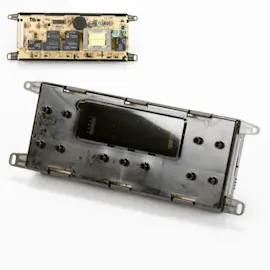
How to replace an electric range oven control board

How to replace an electric range oven control board

If the electronic oven control board isn't powering the bake and broil functions, you can replace it in less than half a…

Repair time and Difficulty

 15 minutes or less
How to replace a range surface element control switch

How to replace a range surface element control switch

The surface element control switch lets you turn the stovetop elements on and off, and to set the heat level. These step…

Repair time and Difficulty

 15 minutes or less

Effective articles & videos to help repair your washers

Use the advice and tips in these articles and videos to get the most out of your washer.

How auto-load sensing washers work (and when they don't)

How auto-load sensing washers work (and when they don't)

Your washer barely fills or seems stuck in sensing mode? Find out how auto-load sensing and Precise Fill features work, …

How to remove the main control board and user interface from a Maytag Epic Z front-load washer

How to remove the main control board and user interface from a Maytag Epic Z front-load washer

Get step-by-step instructions for removing the main electronic control board and the control panel from a Maytage Epic Z…

Using a wiring schematic to trace a current video

Using a wiring schematic to trace a current video

Find out what’s wrong with your appliance by following a circuit.…

Parts & More

Cycling
Dishwasher
Dryer
Food Processor
Front-Engine Lawn Tractor
Gas Walk-Behind Mower
Lawn & Garden Engine
Lawn Vacuum
Others
Parts
Planer
Range
Rear-Engine Riding Mower
Television
Treadmill
Wall Oven