Owner’s manual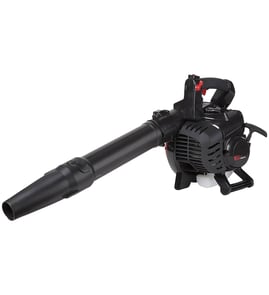





What is the best gas-powered leaf blower on the market?
For most homeowners, the “best” gas-powered leaf blower is the one that matches your yard size and how long you need to run it. Your Craftsman model 358794772 is a strong benchmark at 215 MPH / 470 CFM; use those numbers to compare handheld and backpack blowers in the same performance range using the 358794772 operator's manual.
How we recommend choosing the best gas blower
- Air volume (CFM): higher CFM moves more leaves at once.
- Air speed (MPH): higher MPH helps break wet or stuck debris loose.
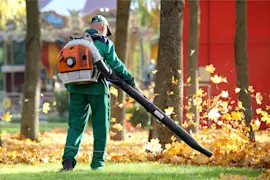
- Type: handheld for quick jobs; backpack for long sessions and larger yards.
- Weight and vibration: comfort matters more than most people expect.
- Serviceability: easy access to the air filter, spark plug, and fuel lines.
Quick comparison: handheld vs. backpack
| Feature | Handheld gas blower | Backpack gas blower |
|---|---|---|
| Best for | Small to medium yards, quick cleanup | Large yards, long run time, heavy leaf loads |
| Typical feel | More wrist/arm fatigue | More comfortable over time (harness support) |
| Storage | Easier | Bulkier |
| Power range | Moderate to high | High to very high |
Use your Craftsman 358794772 as a performance reference
Your 358794772 is rated at 470 CFM and 215 MPH, which is plenty for driveway, sidewalk, patio, and general yard cleanup. When comparing “top” models in stores, look for:
- Similar or higher CFM if you want faster pile-building
- Similar or higher MPH if you deal with damp leaves or debris in joints
- A comfortable throttle and grip, especially if you run at high speed often
Why it matters
Buying by brand name alone can leave you with a blower that is too heavy, too loud, or not powerful enough for your typical debris. Matching CFM/MPH and comfort features to your yard saves time and reduces fatigue.
Last updated: January 2026
What is the life expectancy of a gas leaf blower?
A gas leaf blower like the Craftsman 358794772 typically lasts about 10 years with normal homeowner use and consistent maintenance. Regular air filter service, fresh fuel practices, and prompt repair of fuel-line or ignition issues are what most often determine whether it reaches that lifespan.
What affects lifespan the most
- Fuel quality and storage: Old fuel and ethanol-related varnish shorten carburetor life.
- Air filtration: A clogged filter makes the engine run rich and lose power.
- Cooling and exhaust flow: Debris buildup and a restricted muffler increase heat.
- Starting system wear: Recoil components wear faster with repeated hard starts.
- Operating habits: Running at full throttle constantly and vacuuming wet debris increases strain.
Maintenance schedule that helps you reach 10 years
Use the intervals and procedures in the 358794772 operator's manual.
| Item | What to do | Typical interval |
|---|---|---|
| Air filter | Inspect, clean or replace | Every few uses; replace when damaged or won’t clean |
| Fuel system | Drain or stabilize fuel before storage | Before 30+ days of storage |
| Spark plug | Inspect and replace if fouled | Seasonally or when hard starting occurs |
| Fasteners and housings | Check for looseness, cracks, rubbing | Monthly during season |
Parts that commonly limit service life
If performance drops or the unit becomes hard to start, these are frequent wear items on this model:
- Leaf blower air filter 545146501 (restricted airflow, poor power)
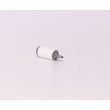
- Ayp lawn & garden equipment fuel line, large 530069216 (cracks, air leaks, fuel starvation)
- Craftsman, poulan leaf blower start/stop switch kit 545081830 (intermittent spark or no-start)
Why it matters
Most “worn out” gas blowers are actually suffering from fuel-system varnish, air restriction, or ignition cutout. Staying ahead of those issues keeps the engine running cooler, starting easier, and reduces expensive repairs like carburetor replacement.
Last updated: January 2026
What oil do I mix with gas for my leaf blower?
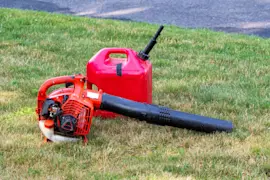
For the Craftsman 358794772 gas leaf blower, we mix unleaded gasoline with a good-quality synthetic 2-cycle air-cooled engine oil at a 40:1 ratio. That equals 3.2 oz of 2-cycle oil per 1 gallon of gas; do not use automotive oil or boat oil. See the 358794772 operator's manual for the fueling section and safety rules.
Correct fuel mix for this model
Use this quick reference when you are measuring fuel:
| Gasoline amount | 40:1 oil amount | Notes |
|---|---|---|
| 1 gallon | 3.2 oz | Standard mix for this blower |
| 1/2 gallon | 1.6 oz | Mix in an approved fuel can |
| 1 quart | 0.8 oz | Useful for small batches |
How we recommend mixing it (to avoid smoke and plug fouling)
- Use fresh unleaded gasoline in a clean, approved fuel container.
- Add the measured 2-cycle oil first, then add gasoline.
- Cap the container and shake briefly to fully blend.
- Fill the tank; tighten the fuel cap securely.
- If the blower will sit 30 days or longer, drain the tank and run the engine until it stops (or use fuel stabilizer as directed on the stabilizer label).
Why it matters
A 2-stroke engine depends on the oil mixed into the fuel for lubrication. Using the wrong oil type or the wrong ratio can cause hard starting, heavy exhaust smoke, spark plug fouling, poor performance, and internal engine damage.
Related parts that often come up with fuel issues
If the blower runs poorly after fresh fuel is added, we commonly check these items:
- Fuel lines for cracks or leaks (example: ayp lawn & garden equipment fuel line, large 530069216)
- Air filter condition (example: leaf blower air filter 545146501)
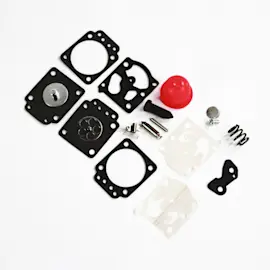
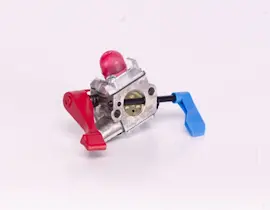
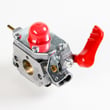
- Carburetor condition (example: ayp leaf blower carburetor 545081857)
Last updated: January 2026