
What are the most common issues with 2086078180?
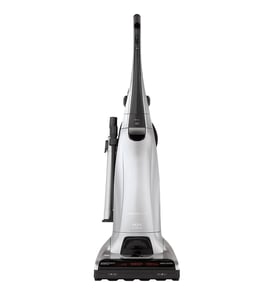
The most common problems we see with the Kenmore 2086078180 upright vacuum are loss of suction, brush roll not spinning, unusual noise or burning smell, and power issues (won’t start or cuts out). These symptoms usually trace to airflow clogs, worn belts, dirty filters, or cord and switch wear.
- Low or no suction: clogged hose or nozzle, full bag/bin, dirty filter, leaking seals
- Brush roll not turning: worn or broken belt, jammed brush roll, height set too low
- Loud rattling or grinding: debris in brush roll, worn brush bearings, cracked fan area
- Burning rubber smell: belt slipping from a jammed brush roll, obstruction at the nozzle
- Won’t turn on or shuts off: damaged cord, bad switch, thermal protector tripping from a clog
- Unplug the vacuum.
- Clear clogs from the hose, wand, and base air path.
- Empty the bag/bin and clean or replace filters.
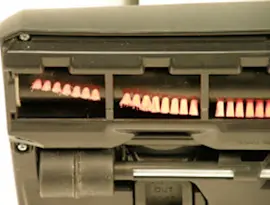
- Inspect the brush roll for string, hair, or a seized end cap.
- Check the belt for glazing, cracks, or looseness.
| Symptom | Fastest check | Common fix |
|---|---|---|
| Weak pickup | Bag/bin and filters | Clean/replace filters; clear clog |
| Brush roll stops | Brush roll jam | Remove debris; replace belt |
| Burning smell | Nozzle obstruction | Clear jam; replace belt |
| Cuts out | Overheating from clog | Clear airflow; let it cool |
Running the 2086078180 with restricted airflow or a jammed brush roll overheats the motor and can quickly wear the belt and bearings. Fixing clogs and filter issues first restores performance and prevents repeat failures.
Even though specific part pages are not listed here, you can still look up the correct belt, filters, brush roll, cord, or switch by confirming the full model number on the rating label. Our guide on how to find your appliance model number (and what it means for parts) helps you match parts accurately.
Last updated: March 2026
What is the best inexpensive upright vacuum?
If you want the best inexpensive upright vacuum, choose a simple, widely available model that matches your floors and is easy to maintain. If you already own a Kenmore 2086078180 upright vacuum, the most budget-friendly choice is keeping it performing like new with routine filter and brush roll cleaning.
- Strong suction with a clear, clog-resistant airflow path
- Easy-to-access filters (washable or low-cost replacements)
- Brush roll you can clean without a full teardown
- Height adjustment or a hard-floor setting for mixed surfaces
- Common wear items (belt, brush roll, filters) that are easy to source
| Best for | Prioritize | Why it saves money |
|---|---|---|
| Mostly carpet | Brush roll agitation, height adjustment | Better pickup with fewer passes and less strain |
| Mostly hard floors | Strong suction, brush roll shutoff or gentle setting | Prevents scatter and protects floors |
| Pets and long hair | Easy brush roll access, good filtration | Less hair wrap, steadier suction |
| Small spaces and stairs | Lower weight, usable hose/tools | Easier handling, fewer add-ons needed |
- Empty the dust cup before it reaches the max line
- Clean or replace filters on a regular schedule
- Cut hair and string off the brush roll and end caps
- Check the hose and wand for clogs if suction drops
- Inspect the belt if the brush roll stops spinning or smells hot
“Inexpensive” only stays inexpensive when suction stays consistent. A clogged filter or hair-wrapped brush roll makes any upright vacuum clean poorly, which increases wear and pushes you toward replacement sooner.
For help confirming the exact model number before comparing features or ordering maintenance items, use how to find your appliance model number (and what it means for parts).
Last updated: January 2026
What is the best suction power for a vacuum cleaner?
For a Kenmore 2086078180 upright vacuum, the “best” suction power is the level that consistently lifts debris from your flooring without clogging or bogging down. In practice, strong real-world cleaning comes from a good airflow path (clean filters, clear hose, sealed connections) as much as raw suction numbers.
Manufacturers may list suction in different units, so compare within the same unit type.
- Air watts (AW): common for vacuum performance comparisons
- kPa (kilopascals): sealed suction, often higher on corded uprights
- CFM (airflow): how much air moves; critical for picking up heavier debris
- Amps: electrical draw, not suction power
| Vacuum type | Typical “good” suction range | Best use |
|---|---|---|
| Corded upright/canister | ~180 to 300 AW (often ~20 to 36 kPa sealed suction) | Deep carpet cleaning, pet hair |
| Cordless stick | ~100 to 150 AW (premium models higher) | Hard floors, quick daily cleaning |
| Handheld | ~30 to 50 AW | Cars, stairs, spot messes |
Before chasing a higher AW/kPa number, we recommend checking the basics that most often reduce suction.
- Empty the dust cup or replace the bag before it is packed full
- Clean or replace filters on schedule (a clogged filter is the #1 suction killer)
- Check the hose, wand, and nozzle for clogs (coins, socks, hair plugs)
- Inspect gaskets and seals for air leaks around the bin, hose ends, and nozzle
- Remove hair and string from the brush roll area (even if suction is fine, pickup drops)
| Symptom | Most common cause | What to do |
|---|---|---|
| Weak suction everywhere | Clogged filter or full bin/bag | Service filters; empty bin/replace bag |
| Weak at nozzle only | Clog in nozzle/hose | Clear blockage; check wand/hose |
| Loud pitch change | Partial clog or air leak | Inspect seals; check for obstructions |
Higher suction helps with embedded grit and pet hair in carpet, but consistent airflow and a clear, sealed suction path usually make a bigger difference in day-to-day cleaning than a single published number.
For safe DIY checks and basic electrical testing tools, use our are diy appliance repairs safe guidance.
Last updated: January 2026