Installation guide
 Owner’s manual
 Error Codes


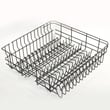
What is the most reliable KitchenAid dishwasher?
KitchenAid reliability is strongest in their mid-to-premium built-in lines; the best choice is the model that fits your kitchen and is installed correctly, then maintained (filters, spray arms, and seals). For your KitchenAid KUDE70FVSS2, we recommend using the owner's manual to match cycles and care steps to your exact dishwasher.
What “reliable” means for a dishwasher
Reliability usually comes down to consistent cleaning, dependable draining, and fewer leaks or electrical interruptions over time.
Common reliability factors we see:
- Proper installation (correct drain loop, water supply, and electrical connection)
- Clean filtration and clear spray paths
- Strong door sealing and correct door balance
- Stable heating performance (helps drying and sanitation)
- Using the right cycle and options for the load
How to choose a reliable KitchenAid model (quick checklist)
When comparing KitchenAid dishwashers, prioritize these practical features and build items:
- A robust filtration system that is easy to clean
- A wash system that keeps spray arms from clogging
- A solid door hinge and balance system (door should stay where you place it)
- A venting and drying design that fits your habits (overnight drying vs. quick unload)
- Readily available replacement parts for wear items
Maintenance that improves reliability on KUDE70FVSS2
These steps prevent the most common “it stopped cleaning or draining” complaints:
- Clean the filter regularly; replace it if it is cracked or won’t seat correctly
- Check spray arms for blocked jets and free rotation
- Keep the tub gasket clean and pliable; replace if it’s torn or leaking
- If draining is slow, inspect the drain hose routing and the drain pump area
Helpful parts for common reliability fixes
| Symptom | Common area to check | Example part for this model |
|---|---|---|
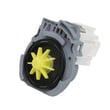
| Won’t drain or drains poorly | Pump, hose routing, clogs | Dishwasher drain pump WPW10348269 |
| Dishes not getting clean | Spray coverage, filter | Dishwasher spray arm WPW10491331 |
| Cloudy water, debris recirculating | Filtration | Dishwasher filter W10872845 |
Why it matters
Most “unreliable dishwasher” problems are really preventable performance issues: restricted filtration, blocked spray, or drain problems. Keeping the wash and drain systems clear helps your KitchenAid dishwasher run consistently and protects major components like the pump and motor.
Last updated: February 2026
What is the average lifespan of a KitchenAid dishwasher?
Most KitchenAid dishwashers, including the KitchenAid KUDE70FVSS2 undercounter dishwasher, typically last 10 years. With normal household use and basic care (clean filtration, correct detergent, and good water conditions), 9 to 14 years is a realistic lifespan range.
Typical lifespan and what to expect
Dishwasher life is mostly driven by how hard the unit works and how clean the wash system stays.
- Typical average: about 10 years
- Common range: 9 to 14 years
- Heavy daily use or hard water: tends to shorten life
- Regular cleaning and correct loading: tends to extend life
| What you notice | What it usually means | What to do first |
|---|---|---|
| Cycles getting longer | Normal for many newer, energy-efficient designs | Use the cycle that fits the load; avoid extra options unless needed |
| Poor drying | Often rinse aid related | Fill rinse aid and confirm dispenser settings in the owner's manual |
| Cloudy dishes or grit | Filtration or spray issues | Clean the filter and check spray arm holes |
Maintenance that helps you reach the high end of the range
These steps reduce strain on the pump, motor, and heating system.
- Clean and re-seat the filter regularly; replace it if it is damaged (see dishwasher filter W10872845).
- Keep spray arm jets clear; replace a cracked or warped arm (see dishwasher spray arm WPW10491331).
- Use rinse aid for drying performance and to help control hard-water deposits.
- Run hot water at the sink before starting a cycle if your water takes time to heat up.
- Avoid overloading; blocked spray patterns force longer run times and reduce cleaning.
Why it matters
A dishwasher that is kept clean internally (filter, spray arms, and sump area) maintains water flow and wash pressure. That reduces wear on high-cost components like the pump and motor assembly, helping your KUDE70FVSS2 deliver consistent cleaning for more years.
Last updated: February 2026
What is the most common problem with a KitchenAid dishwasher?
The most common issues we see with the KitchenAid KUDE70FVSS2 dishwasher are draining problems, poor cleaning, and not starting or stopping mid-cycle. In many cases, the fix is basic maintenance (filter and spray arm checks) or correcting a drain/door-start condition described in the owner's manual.
Most common symptoms and what usually causes them
- Standing water in the tub: kinked/clogged drain hose, disposer knockout plug still installed, or a failing drain pump
- Dirty dishes: clogged filter, blocked spray arm holes, or loading that prevents spray coverage
- Won’t start or stops mid-cycle: door not fully latched, Start/Resume sequence not completed, or a power interruption (breaker/fuse)
- Detergent left in the dispenser: items blocking the dispenser door or poor water circulation
- White residue or film: hard water mineral buildup and low rinse aid use
Quick checks you can do first (KUDE70FVSS2)
- If Start/Resume is blinking, press START/RESUME and close the door within 3 seconds (a common “won’t run” cause).
- Confirm the door closes and latches firmly.
- Check the filter area for debris and rinse it.
- Inspect the spray arms for clogs and free movement.
- If it won’t drain, check for kinks/obstructions in the drain path and confirm the disposer inlet knockout plug was removed (if connected).
Parts that commonly solve these problems
If troubleshooting points to a failed component, these KUDE70FVSS2 parts are common fixes:
| Problem | Part to check/replace | What it affects |
|---|---|---|
| Won’t drain, water left in tub | Dishwasher drain pump WPW10348269 | Pumps water out during drain |
| Poor cleaning, weak spray | Dishwasher spray arm WPW10491331 | Wash coverage and pressure |
| Draining issues, leaks at drain line | Dishwasher drain hose 8269144A | Drain flow to disposer/standpipe |
| Intermittent no-power symptoms | Fuse W10258275 | Protects the dishwasher’s electrical circuit |
| Cloudy film, debris recirculation | Dishwasher filter W10872845 | Keeps soil from recirculating |
Why it matters
Drain and wash-performance problems usually get worse over time. A partially clogged filter or restricted drain hose can lead to standing water, odors, and repeat cycle interruptions, so catching the issue early helps protect the pump, motor, and control system.
Last updated: February 2026
Which dishwasher to stay away from?
We recommend staying away from any dishwasher model (any brand) that shows a consistent pattern of leaks, poor draining, or repeated electronic control failures in long-term owner feedback. For KitchenAid model KUDE70FVSS2, the best way to avoid “bad dishwasher” symptoms is correct loading, detergent use, and routine filter care in the KUDE70FVSS2 owner's manual.
What “stay away from” means in practical terms
Instead of avoiding a specific brand name, avoid a model that repeatedly shows these issues:
- Chronic leaking at the door seal or tub gasket area
- Frequent “won’t drain” complaints (standing water in the tub)
- Poor cleaning because spray arms cannot spin freely
- Repeated no-power or dead-control symptoms
- Unusually expensive core repairs (pump, motor, control)
Quick reliability screen before you buy
Use this simple check when comparing models:
| What to check | Better sign | Red flag |
|---|---|---|
| Draining feedback | Consistent full draining | Many reports of water left in tub |
| Cleaning results | Cleans without constant pre-rinsing | “Top rack never clean” pattern |
| Leak history | Few leak complaints | Multiple door or tub leak reports |
| Electronics | Stable controls over years | Repeat control board failures |
If your KUDE70FVSS2 is acting like a “bad dishwasher”
These steps address the most common complaints (poor cleaning and not draining):
- Load so nothing blocks the detergent dispenser; keep spray arms spinning freely.
- Face soiled surfaces down and inward; avoid overlapping bowls and plates.
- Use automatic dishwasher detergent only; add detergent right before starting.
- Clean and reinstall filters correctly; never run without filters installed and locked.
- If draining is weak, check and clean the drain air gap (if your setup has one).
Parts that commonly relate to draining or cleaning
If troubleshooting points to a failed component, these parts are common suspects:
Why it matters
Most “avoid this dishwasher” experiences trace back to water circulation, filtration, and drainage. Keeping filters locked, loading correctly, and maintaining spray coverage helps KUDE70FVSS2 clean and drain the way it was designed to.
Last updated: February 2026