Owner’s manual

What is the most common problem with GE washers?
For the GE GFW450SPK0DG front-load washer, the most common service issues we see are drain and spin problems caused by a clogged pump filter or a restriction in the drain path; excessive vibration from load balance or suspension wear is also common. Use the GFW450SPK0DG owner’s manual to match symptoms to the built-in troubleshooting tips.
Most common issues (and what to check first)
- Won’t drain or leaves water in the tub: clean the pump filter and check the drain hose for kinks.
- Won’t spin or clothes are too wet: reduce load size, redistribute items, then run Drain + Spin.
- Loud banging or walking during spin: level the washer and avoid washing single heavy items.
- Door won’t lock or won’t open: verify the cycle is paused and the unit has drained; then inspect the latch/strike.
- Odor or residue buildup: run the monthly Tub Clean cycle and leave the door slightly open between loads.
Model-specific tip: pump filter maintenance
This model includes a clean-out procedure for the pump filter behind the lower access door. If your washer runs long, won’t drain, or struggles to balance loads, cleaning the filter is one of the highest-impact first steps.
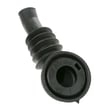
If you need the replacement component, use the exact filter for this model: washer drain pump filter WH11X34741.
Quick symptom-to-likely-cause table
| Symptom | Most likely cause | Best first action |
|---|---|---|
| Standing water, “no drain” behavior | Clogged pump filter or drain restriction | Clean filter; inspect drain hose |
| Spins but clothes still wet | Out-of-balance load or restricted drain | Rebalance; run Drain + Spin |
| Excessive vibration | Not level, overload, worn suspension | Level legs; reduce load |
| Rattling/grinding during drain | Debris in pump/filter | Clean filter; check for coins/pins |
Why it matters
Drain restrictions and out-of-balance loads can make cycles run longer, leave clothes wetter, and increase wear on the drain pump, shocks, and suspension components. A few minutes of routine cleaning and proper loading helps prevent repeat failures.
Last updated: January 2026
What is the life expectancy of a GE front load washer?
GE front-load washers, including model GFW450SPK0DG, typically last 10 to 14 years with normal household use and consistent care. Lifespan is most affected by load size, detergent habits (HE only), and routine cleaning like the monthly Tub Clean cycle in the GFW450SPK0DG owner’s manual.
What affects lifespan the most
- Overloading (stresses bearings, suspension, and drive system)
- Using non-HE detergent or too much detergent (causes residue and odor issues)
- Skipping monthly tub cleaning (buildup can lead to smells and drainage problems)
- Not cleaning the door gasket (mildew and leaks can develop)
- Ignoring early symptoms (slow drain, vibration, unusual noise)
Maintenance schedule we recommend
| Task | How often | Why it helps |
|---|---|---|
| Run Tub Clean cycle | Monthly | Reduces residue and odor buildup |
| Wipe door gasket and glass | Weekly | Helps prevent mold and leaks |
| Clean pump filter | Every 1 to 3 months | Prevents slow drain and pump strain |
| Leave door slightly open after use | After each load | Improves drying and reduces mildew |
When parts can extend the washer’s useful life
If your washer is otherwise in good shape, replacing a worn or clogged component can restore performance and reduce stress on the motor and controls. Common examples on this model include:
- Washer drain pump filter WH11X34741 (clogs can cause slow drain and longer cycles)
- Washer drain pump WH11X34740 (weak or noisy pump can lead to no-drain issues)
- GE washer shock absorber WH01X20826 (helps control vibration during spin)
Why it matters
A front-load washer that is kept clean, drains freely, and stays balanced typically runs quieter, finishes cycles on time, and avoids the wear that shortens service life.
Last updated: January 2026
How to force GE washer to drain and spin?
On the GE GFW450SPK0DG washer, we force a drain and spin by selecting the Drain + Spin cycle and starting it. If you need a rinse first, use Rinse + Spin; to get drain-and-spin behavior there, turn Extra Rinse off per the cycle option notes in the GFW450SPK0DG owner’s manual.
Steps to run Drain + Spin (GFW450SPK0DG)
- Press Power to wake the controls.
- Turn the cycle knob to Drain + Spin.
- Choose your Spin speed (Low, Medium, High, or Max) if available.
- Press Start/Pause to begin.
- If the washer is paused, it may drain first and then unlock the door.
If the washer will not drain
A drain problem is often caused by a clogged pump filter, a kinked drain hose, or a failing drain pump.
- Check the drain hose for kinks or a crushed section behind the washer.
- Make sure the standpipe or laundry tub is not backing up.
- Clean the pump filter (expect water to come out when you open it).
- If the pump hums but won’t move water, inspect the pump and filter housing for debris.
If you need replacement parts for a drain issue, these are common matches for this model:
Quick comparison: which cycle to use
| What you want | Best cycle | Key option to check |
|---|---|---|
| Drain water and spin out clothes | Drain + Spin | Set desired Spin speed |
| Rinse, then spin | Rinse + Spin | Use Extra Rinse as needed |
| Just stop and unlock (when safe) | Start/Pause | Washer may drain before unlocking |
Why it matters
Running the correct drain/spin cycle helps prevent leaving clothes soaking wet, reduces odor risk in the tub, and can confirm whether the issue is a simple clog (pump filter) versus a part failure (drain pump).
For display messages or beeping that points to a fault, we use the GE gfw front load washer error codes guide to match the code to the most likely cause.
Last updated: January 2026