Owner’s manual



How many cfm does a gas leaf blower have?
For the Craftsman model 316791770, the blower’s rated air volume is 450 CFM at the outlet, 425 CFM at the blower tube, and 310 CFM at the nozzle (measured per ANSI B175.2). For gas leaf blowers in general, CFM varies widely by engine size and design.
CFM for this Craftsman 316791770 (model-specific)
We use CFM to describe how much air the blower moves; higher CFM usually clears larger piles and wider areas faster.
- Outlet air volume: 450 CFM
- Blower tube air volume: 425 CFM
- Nozzle air volume: 310 CFM
- Measurement standard: ANSI B175.2
| Measurement location | Air volume (CFM) | What it represents |
|---|---|---|
| Outlet | 450 | Maximum airflow at the housing outlet |
| Blower tube | 425 | Airflow after the tube is installed |
| Nozzle | 310 | Airflow at the narrowed nozzle opening |
For the full specifications list, we recommend checking the Craftsman 316791770 operator’s manual.
What CFM means (and how it compares to MPH)
CFM is air volume; MPH is air speed. Many shoppers compare both because they work together.
- Higher CFM: moves more leaves per pass (great for open lawns)
- Higher MPH: helps dislodge stuck debris (wet leaves, gravel edges)
- Tube/nozzle choice: can trade airflow for speed and control
- Real-world results: depend on technique, surface type, and debris moisture
Why it matters
Choosing the right CFM helps you match the blower to your yard size and debris type. With the 316791770’s 425 CFM at the blower tube, we typically see solid performance for routine homeowner cleanup like dry leaves on driveways, patios, and lawn edges.
Last updated: January 2026
How fast is a gas leaf blower?
For the Craftsman 316791770 gas leaf blower, air speed depends on where it’s measured: up to 120 mph at the outlet, 125 mph at the blower tube, and 205 mph at the nozzle (peak). Average air speed is lower, up to 175 mph at the nozzle. See the 316791770 operator's manual for the full specifications.
Model-specific air speed and what it means
Air speed is typically listed as peak (maximum) and average (more like real-world sustained airflow). On the Craftsman 316791770, the nozzle produces the highest speed because it concentrates the air stream.
- Outlet speed is measured at the blower housing discharge.
- Blower tube speed reflects the standard tube installed.
- Nozzle speed is highest because the opening is smaller and focuses airflow.
- Higher speed helps move heavier debris, but can also kick up dust.
- Average speed is often a better indicator for long passes across a yard.
Quick spec table (Craftsman 316791770)
| Measurement point | Peak air speed | Average air speed |
|---|---|---|
| Outlet | 120 mph | 100 mph |
| Blower tube | 125 mph | 105 mph |
| Nozzle | 205 mph | 175 mph |
Why it matters
If you’re comparing blowers, mph (air speed) tells you how forcefully air hits debris, while cfm (air volume) tells you how much air is moving. For the 316791770, the manual also lists air volume up to 450 cfm at the outlet, which helps explain overall clearing performance.
Related part note (when you’re servicing the blower)
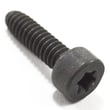
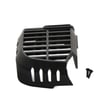
If you’re doing a repair that involves removing covers or housings, use the correct fasteners for a secure reassembly; for this model, one example is the screw-10-9 x 1755.
Last updated: January 2026
What is the life expectancy of a gas leaf blower?
For the Craftsman 316791770 gas leaf blower, there is no model-specific “life expectancy” stated by the manufacturer; how long it lasts is mainly driven by maintenance, fuel handling, and how many hours you run it each season. The best way to maximize service life is to follow the maintenance schedule in the 316791770 operator’s manual.
What we can confirm for model 316791770
The operator’s manual gives maintenance intervals and fuel guidance that directly affect longevity.
- It is a 2-cycle, air-cooled engine that uses a 40:1 fuel/oil mix
- Air filter: clean and re-oil every 10 hours (or every 5 hours in vacuum mode)
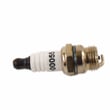
- Spark plug: check condition and gap every 25 hours (gap 0.025 in.)
- For blended fuels, the manual advises using fresh fuel (less than 30 days old)
- For long-term storage, the manual describes draining the tank and running the engine until it stalls
A realistic way to think about lifespan (hours vs. years)
Because homeowner use varies a lot, “hours of run time” is usually a better yardstick than a fixed number of years.
| Usage level | Typical pattern | What usually shortens life fastest |
|---|---|---|
| Light | Short cleanups, occasional seasonal use | Old fuel left in the carburetor, dirty filter |
| Moderate | Weekly use during leaf season | Skipped filter service, overheating from blocked intake |
| Heavy | Long run times, frequent vacuuming | Wear plus fuel system issues from storage practices |
Maintenance habits that most extend service life
These steps match the model 316791770 manual and common 2-cycle blower best practices.
- Mix fuel accurately at 40:1 and use clean, fresh unleaded gasoline
- Service the air filter on schedule; a restricted filter can cause poor performance and engine damage
- Inspect and replace the spark plug when fouled or worn
- Keep the air intake and cooling areas clear to prevent overheating
- Tighten loose fasteners; replace damaged parts as soon as you spot them (for example, a missing fastener such as screw-10-9 x 1755)
Why it matters
Most early failures on 2-cycle blowers come from fuel-related carburetor problems, incorrect fuel/oil mix, and restricted airflow. Following the manual’s fuel and maintenance guidance helps protect the engine and keeps starting and power consistent.
Last updated: January 2026