


What is the average lifespan of a whirlpool dishwasher?
A Whirlpool dishwasher typically lasts 10 years on average. For your Whirlpool WDT730HAMZ0, real-world lifespan depends most on water quality, how often it runs, and routine maintenance like keeping the filter area clean and addressing leaks or draining problems early.
Typical lifespan and what affects it
A dishwasher’s service life is usually limited by wear on moving parts (pumps, seals, latches) and heat-related components.
Common factors that shorten lifespan:
- Hard water scale buildup on internal components
- Heavy daily use (multiple cycles per day)
- Chronic clogs from food debris
- Leaks that damage wiring or the motor area
- Overloading that stresses racks, rails, and spray arms
Maintenance that helps your WDT730HAMZ0 reach 10 years
These habits reduce strain on the circulation system and help prevent common failures.
- Clean the filter area regularly and remove debris
- Run hot water at the sink before starting a cycle
- Use the correct detergent amount (especially with soft water)
- Inspect the door seal area for residue and wipe it clean
- Fix slow draining quickly to avoid pump damage
Parts that commonly drive “end of life” decisions
If performance drops, replacing a key part can be a cost-effective way to extend life.
| Symptom | Likely system involved | Example compatible part for WDT730HAMZ0 |
|---|---|---|
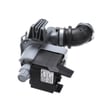
| Won’t drain or leaves water | Drain system | Dishwasher drain pump W10876537 |
| Poor cleaning or weak spray | Wash circulation / spray | Dishwasher spray arm WPW10491331 |
| Detergent door won’t open | Dispenser | Dishwasher detergent dispenser W10861000 |
Why it matters
Knowing the typical 10-year lifespan helps you decide whether to maintain and repair your WDT730HAMZ0 (often worthwhile in mid-life) or plan for replacement when multiple major components start failing close together.
Last updated: January 2026
Are Whirlpool dishwashers quiet?
Yes, many Whirlpool dishwashers are designed to run quietly, but the exact noise level for model WDT730HAMZ0 cannot be identified from the model-specific information available here. In general, a properly installed and maintained Whirlpool dishwasher should sound like a steady wash “whoosh,” not loud grinding or rattling.
What “quiet” means for dishwashers
Dishwasher noise is typically described in decibels (dBA); lower numbers are quieter. Even without a published rating for WDT730HAMZ0, these ranges are a helpful guide:
| Typical noise range (dBA) | What it usually sounds like | Best for |
|---|---|---|
| 38 to 44 | Very quiet; often hard to hear | Open kitchens, nighttime runs |
| 45 to 50 | Quiet; noticeable but not distracting | Most homes |
| 51+ | Clearly audible | Budget models or older units |
If your dishwasher is louder than expected
A “quiet” dishwasher can get noisy when something is loose, worn, or obstructed. Check these common causes:
- Dishes or utensils touching the spray arm during rotation
- A clogged filter area causing pump strain
- A worn or obstructed drain pump (often a buzzing, grinding, or rattling during drain)
- A damaged spray arm that’s hitting racks or has debris in the jets
- Missing or shifted insulation/sound shielding around the tub or door
If the noise happens mainly during draining, inspecting the dishwasher drain pump W10876537 is a practical next step.
Quick ways to reduce dishwasher noise
These steps help on most Whirlpool models, including WDT730HAMZ0:
- Re-load so nothing hangs below the lower rack (spatulas, long utensils)
- Clean the filter area and remove glass, labels, and food scraps
- Verify the dishwasher is level and firmly mounted (a rocking unit amplifies noise)
- Run hot water at the sink before starting to reduce long, noisy fill and heat-up time
- Use a heavier cycle only when needed; lighter cycles can be quieter
Why it matters
Noise changes are often an early warning sign. Catching a rubbing spray arm, a restricted drain path, or a struggling pump early can prevent poor cleaning, standing water, and repeat cycle interruptions.
Last updated: January 2026
What's the most common problem with a whirlpool dishwasher?
The most common Whirlpool dishwasher complaint (including the Whirlpool WDT730HAMZ0) is poor cleaning or poor draining, usually caused by restricted water flow, a clogged filter area, or a drain path issue. We start by checking loading, detergent, and the filter and drain components.
What we check first (fast, no-parts steps)
- Confirm the water supply valve is fully open and the inlet line is not kinked.
- Run hot water at the sink until it is hot, then start the cycle.
- Avoid blocking the spray arms with tall pans or cutting boards.
- Use fresh dishwasher detergent and the correct cycle for soil level.
- Clean the filter area and remove debris from the sump.
Parts that commonly cause these symptoms on WDT730HAMZ0
If the dishwasher is not cleaning well or is leaving water behind, these model-compatible parts are common suspects:
- Filter cup a W10872845 (debris buildup can reduce wash performance)
- Dishwasher drain pump W10876537 (weak or jammed pump can prevent draining)
- Dishwasher spray arm WPW10491331 (clogged jets reduce spray pressure)
- Valve-water WPW10327249 (filling issues can lead to weak wash action)
Symptom-to-part quick guide
| Symptom | Most likely area | Model-compatible part example |
|---|---|---|
| Dishes still dirty | Spray and filtration | Filter, spray arm |
| Water left in tub | Drain system | Drain pump, drain hose |
| Detergent not dispensing | Dispenser | Detergent dispenser |
| Won’t start or stops | Door/controls | Door latch, console |
Why it matters
Poor cleaning and poor draining often get worse over time; food debris can recirculate, cause odors, and strain the pump and motor. Catching a clog early can prevent a bigger repair.
Helpful DIY troubleshooting
- Dishwasher not cleaning dishes video
- Dishwasher not draining video
- How to reset a Whirlpool dishwasher
Last updated: January 2026