Error Codes



What are the most common issues with JGBS60DEK6WW?
For the GE JGBS60DEK6WW gas range, the most common problems we see are burners that will not ignite or heat evenly, an oven that bakes at the wrong temperature, and heat loss around the oven door. These issues usually trace to ignition, gas flow, temperature sensing, or door sealing.
Common symptoms and what they usually point to
- Surface burner clicks but won’t light: clogged burner ports, misaligned cap, weak spark, or a gas flow issue.
- Uneven flame or low heat on a burner: dirty burner head, incorrect or partially blocked orifice.
- Oven temperature is too hot or too cool: a failing sensor such as the range oven temperature sensor WB20K10015.
- Oven takes a long time to preheat: weak ignition at the bake burner or restricted gas flow.
- Heat leaking from the oven door: worn or torn range oven door gasket WB35X29720.
- Oven light not working: bulb or socket issue such as the range light socket WB08T10026 or a failed bulb.
Quick checks we recommend before replacing parts
- Confirm the burner cap is seated flat and centered.
- Clean burner ports with a soft brush; clear spills and debris.
- For oven temp complaints, test with an oven thermometer across several cycles.
- Inspect the door seal for gaps, tears, or hardened spots.
- If you smell gas, stop and have the range checked by a qualified technician before continuing.
Symptom-to-part guide (fast reference)
| Symptom | Most likely area | Example part on this model |
|---|---|---|
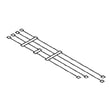
| Oven temp inaccurate | Temperature sensing | Range Oven Temperature Sensor WB20K10015 |
| Heat leaking at door | Door sealing | Range Oven Door Gasket WB35X29720 |
| Oven light out | Light circuit | Range Light Socket WB08T10026 |
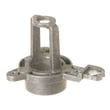
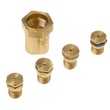
| Burner weak/uneven | Burner/orifice | Range Surface Burner Orifice WB28K10834 |
Why it matters
Ignition and temperature control problems affect cooking results and can increase gas use. Door gasket leaks also make the oven cycle longer and can discolor nearby surfaces from excess heat.
Last updated: March 2026
What kind of gas is used for a gas stove?
Most gas stoves, including the GE gas range model JGBS60DEK6WW, are set up to run on natural gas in many homes; some can be converted to LP (propane) with the correct conversion parts and adjustments. For safe operation, the fuel type must match the range’s regulator and burner orifices.
Natural gas vs. LP (propane): what’s the difference?
Both fuels work well, but they require different pressure settings and burner orifice sizing.
| Fuel type | Common home supply | Typical use case | What changes on the range |
|---|---|---|---|
| Natural gas | Utility gas line | Most city/suburban homes | Standard regulator setting and orifices |
| LP (propane) | Tank | Many rural/off-grid homes | Regulator setting and orifices must be converted |
How to tell what your range is using
Use these quick checks to confirm the fuel type before troubleshooting burner flames or ordering parts:
- Check whether your home has a utility gas meter (usually natural gas) or a propane tank (LP).
- Look for a label near the gas regulator or behind the storage drawer indicating “NAT” or “LP.”
- Watch the burner flame: LP often burns with a sharper, more intense flame when correctly adjusted.
- If flames are very large, yellow, or sooty, the range may be set for the wrong gas type.
- If you recently moved or replaced the range, verify the installer matched the range to the home supply.
Why it matters
Using the wrong gas setup can cause poor ignition, weak heat, soot, strong odors, and unsafe combustion. Correct fuel setup also helps the oven maintain stable temperatures, which reduces unnecessary wear on components like the range oven temperature sensor WB20K10015.
Parts that are commonly involved in gas conversion or flame issues
On GE ranges like JGBS60DEK6WW, fuel-related performance problems often involve these areas:
- Burner orifices (sized differently for natural gas vs. LP)
- Burner tubes and orifice assemblies
- Gas valve and regulator settings
- Air shutter adjustments (where applicable)
If you need to replace a damaged or clogged orifice, match the exact part to the burner position; examples on this model include the range surface burner orifice WB28K10834 and range surface burner orifice WB28K10023. You can order the correct replacement parts from the parts list for your model, or search by model number on Sears PartsDirect.
Last updated: February 2026
Why are gas stoves being discontinued?
Gas stoves are not being universally discontinued; instead, some areas and builders are choosing electric or induction due to indoor air quality concerns, climate goals, and changing building codes for new construction. Your GE JGBS60DEK6WW gas range can still be repaired and maintained with replacement parts from our parts list or through Sears PartsDirect.
What’s driving the shift away from gas in some places
Several factors are pushing more homes toward electric cooking, especially in new builds:
- Local building policies that favor all-electric new construction
- Indoor air quality concerns from combustion byproducts (especially without good ventilation)
- Climate and energy-efficiency goals that encourage electrification
- Consumer preference for induction performance and easier cleanup
- Utility and builder incentives that make electric installs simpler in some projects
What this means for owners of a GE JGBS60DEK6WW gas range
Owning a gas range does not mean you need to replace it. In most cases, the practical focus is on safe operation, good ventilation, and keeping key components in working order.
Common maintenance and repair items we see for this model type include:
- Oven temperature accuracy issues (sensor problems)
- Weak or inconsistent ignition
- Heat loss around the oven door
- Cooktop burner flame problems (clogged orifice or burner issues)
- Oven light not working
Parts that often solve “it’s not working right” complaints
If performance is the real concern (not policy), these parts are commonly involved:
- Range oven temperature sensor WB20K10015 for temperature swings or underbaking
- Bake burner ignition WB13X40208 for delayed ignition or no-bake heat
- Range oven door gasket WB35X29720 for heat leaking and long preheat times
- GE appliance light bulb, 40-watt 40A15 if the oven light is out
Quick symptom-to-part guide
| Symptom | Most likely area | Example part on this model |
|---|---|---|
| Oven temp seems off | Temperature sensing | WB20K10015 |
| Bake won’t ignite or is slow | Ignition system | WB13X40208 |
| Oven won’t hold heat | Door seal | WB35X29720 |
| Oven light out | Bulb or socket | 40A15, WB08T10026 |
Why it matters
A properly operating gas range burns cleaner and more consistently than one with ignition delays, poor airflow, or heat leaks. Good ventilation plus timely part replacement helps cooking performance and reduces unwanted odors and smoke.
Last updated: February 2026