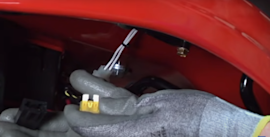
Installation guide
 Owner’s manual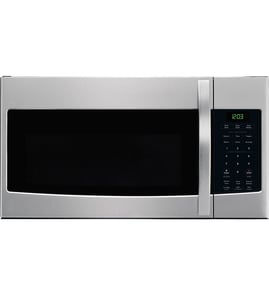


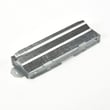
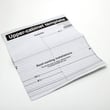
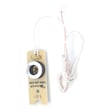
What is the spec of WMH32L19AS1?
The Whirlpool WMH32L19AS1 is a 1.9 cubic foot microwave/hood combo designed for over-the-range installation; it’s suitable for use above electric or gas cooking products up to and including 36 inches wide. For the most accurate model-specific dimensions and electrical requirements, use the installation guide.
Key specs we can confirm for WMH32L19AS1
- Appliance type: Whirlpool 1.9 cubic foot microwave/hood combo
- Installation type: Over-the-range (microwave hood combination)
- Compatible cooktop/range width: Up to 36 inches
- Supported cooking products: Electric or gas
- Venting: Uses a blower and damper assembly (venting design details are in the installation instructions)
What to check in the installation guide (most requested “specs”)
These are the specs that matter most for fit and safe installation:
- Product dimensions (overall width, height, depth)
- Required clearances above the cooking surface
- Electrical requirements (dedicated circuit, voltage, grounding)
- Venting configuration (recirculating vs. outside venting, duct size)
- Mounting details (wall studs, mounting plate, upper cabinet template)
| Spec type | Why it matters | Where to find it |
|---|---|---|
| Product dimensions | Confirms it fits your cabinet opening | Product dimensions section |
| Electrical requirements | Prevents nuisance tripping and unsafe wiring | Electrical requirements section |
| Venting design | Ensures proper airflow and correct ducting | Venting design specifications |
Why it matters
Microwave/hood combos are very sensitive to cabinet cutouts, mounting plate placement, and venting layout. Confirming the WMH32L19AS1 dimensions and electrical requirements before installation helps prevent door alignment issues, vibration, poor vent performance, and rework.
Last updated: February 2026
What is the lifespan of a whirlpool microwave?
A Whirlpool microwave typically lasts 7 to 10 years. For an over-the-range model like Whirlpool WMH32L19AS1 (a 1.9 cubic foot microwave/hood combo), lifespan depends most on daily run time, keeping airflow clear, and avoiding door-slam and power-surge damage.
What affects microwave lifespan most
- Usage frequency and cook time (heavy daily use shortens life)
- Ventilation and grease buildup (blocked vents trap heat)
- Door alignment and latch wear (impacts safe operation and starting)
- Electrical supply quality (dedicated circuit and proper grounding help)
- Cleaning habits (steam, spills, and corrosion can damage components)
Signs your microwave is nearing end of life
- Takes noticeably longer to heat the same food
- Runs but does not heat consistently
- Intermittent power, dead display, or random resets
- Door feels loose, won’t close cleanly, or won’t start unless pressed
- Burning smell, arcing, or unusual buzzing (stop using and have it serviced)
Quick care tips that help WMH32L19AS1 last longer
Use these habits to reduce heat stress on the magnetron, control board, and door switches:
- Run the hood fan when cooking on the range to reduce heat exposure
- Keep the vent grille and intake areas clear of grease and dust
- Close the door gently; avoid hanging on the handle
- Do not run the microwave empty
- Use a properly grounded outlet and avoid extension cords (see the installation guide)
Repair vs replace: a simple rule of thumb
| Microwave age | Typical situation | Practical next step |
|---|---|---|
| 0 to 5 years | Single small failure | Repair is usually worthwhile |
| 6 to 10 years | Multiple symptoms or major heating issue | Compare repair cost to replacement |
| 10+ years | Repeated failures | Replacement is usually the better value |
Why it matters
Microwaves can fail in different ways: heating problems often point to high-voltage components, while “won’t start” issues commonly involve door interlock switches. Knowing the typical lifespan helps you decide whether to troubleshoot, replace a part, or plan for a new unit.
Last updated: February 2026
How can I reset my Whirlpool microwave?
The most reliable reset for your Whirlpool WMH32L19AS1 microwave/hood combo is a power reset: unplug the unit (or switch the breaker off) for 1 to 5 minutes, then restore power and test. This clears many control glitches, frozen keypads, and minor error conditions.
Quick reset steps (recommended)
- Press Cancel/Off once to stop any cooking cycle.
- Unplug the microwave or turn OFF the circuit breaker.
- Wait at least 1 minute (up to 5 minutes for a stubborn freeze).
- Restore power.
- Place 1 cup of water on the turntable and run 1 minute at 100% power to confirm heating.
- Test the vent fan and cooktop light.
For additional model-specific operating and troubleshooting steps, use the owner's manual.
If it still will not run after a reset
A reset helps only if the microwave is getting steady power and the door is closing and latching correctly. Check these common causes:
- Outlet has power (try a small lamp or phone charger).
- House fuse is good or breaker is fully reset.
- Power cord is firmly seated.
- Door closes fully; no binding at the hinges or latch area.
- Control panel responds to key presses.
Parts that commonly affect “won’t start” symptoms
If the display comes on but the microwave will not start, door safety switching is a frequent culprit. These parts are commonly involved:
| Symptom | What it often points to | Example part for WMH32L19AS1 |
|---|---|---|
| Runs only with door pushed in | Door interlock not closing consistently | Microwave door interlock switch W10269458 |
| Dead or intermittent power | Internal fuse circuit issue | Microwave fuse W11707984 |
Why it matters
Resetting clears temporary control logic issues, but it also helps you separate a simple “software-like” glitch from a real hardware problem (power supply, door interlock, or control panel) so you replace only what is needed.
Last updated: February 2026
What are common problems with whirlpool microwaves?
Common problems with Whirlpool microwaves (including the Whirlpool WMH32L19AS1 microwave/hood combo) are no power, runs but does not heat, won’t start because the door isn’t being sensed as closed, turntable issues, and light or vent fan problems. Many “dead” or “won’t run” symptoms trace back to power supply, fuses, or door interlock components.
Most common symptoms and what they usually mean
- Microwave won’t turn on (no display): tripped breaker, blown house fuse, loose plug, or an internal fuse issue.
- Has power but won’t start: door not closing fully, failed door switch, or interlock problem.
- Runs but does not heat: high-voltage component failure (common suspects include diode, capacitor, or magnetron).
- Turntable not rotating: tray not seated, roller/coupler issue, or turntable motor problem.
- Sparking or arcing: food splatter or debris, damaged waveguide cover, or metal in the cavity.
- Under-cabinet light not working: bulb or socket issue.
Quick checks we recommend first (safe, no disassembly)
- Confirm the unit is plugged into a grounded 3-prong outlet and the circuit is on.
- Reset power: unplug for 2 to 3 minutes, then plug back in.
- Open and close the door firmly; remove any obstruction around the latch area.
- Test heating with a simple cup-of-water check (1 cup for 1 minute at 100% power) as described in the installation guide.
- If it still won’t operate, check the home fuse or breaker and reset/replace as needed.
Parts that commonly fix these problems on WMH32L19AS1
| Symptom | Common part to check/replace | Example part on this model |
|---|---|---|
| Runs but no heat | High-voltage diode | Diode W11256462 |
| Won’t start, door-related | Door interlock switch | Microwave door interlock switch W10269458 |
| No power or intermittent power | Internal fuse | Microwave fuse W11707984 |
| Under-cabinet light out | Light bulb | Microwave/hood light bulb 8206232A |
Why it matters
Microwaves use high voltage internally; symptoms like “runs but no heat” often involve high-voltage parts (diode, capacitor, magnetron) that require careful, correct diagnosis. Starting with power and door-interlock checks prevents unnecessary parts replacement.
Last updated: February 2026