Installation guide
 Owner’s manual
 Error Codes


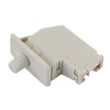
What is the most common problem with a GE dryer?
The most common problem we see with a GE dryer like model GTD65GBPL0DG is a no-heat or long-dry-time complaint caused by restricted airflow (lint buildup or improper venting). Another frequent issue is a no-start condition tied to power supply problems or a door not fully latching.
Most common symptoms and what they usually mean
- Tumbles but no heat: often a tripped breaker (electric), gas shutoff closed (gas), or a failed heat-sensing part
- Takes too long to dry: almost always airflow related (full lint filter, blocked duct, stuck outside damper)
- Stops mid-cycle or clothes still damp: overheating from poor venting, or sensor cycle settings not matched to the load
- Won’t start: unplugged cord, tripped breaker, or door not closing/locking correctly
Quick checks we recommend first (fast, high-impact)
Use these steps before replacing parts; they solve a large share of “GE dryer not heating” and “dryer takes too long” calls.
- Clean the lint filter before every load
- Check the vent path for kinks, crushing, or heavy lint buildup
- Confirm the outside wall damper opens freely
- For electric dryers, reset both breakers (many use two)
- For gas dryers, confirm both gas shutoffs are fully open
- Recheck venting rules in the installation guide (avoid screens over the duct and avoid booster fans)
Common parts involved (when airflow and settings are already correct)
If venting is clear and settings are correct, these model-appropriate parts are commonly involved in heat complaints:
| Symptom | Commonly involved part type | Example part for GTD65GBPL0DG |
|---|---|---|
| No heat or erratic heat | Thermistor (temperature sensor) | Dryer thermistor WE4M448 |
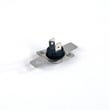
| Overheats then shuts down | High-limit thermostat | Dryer high-limit thermostat WE04X26138 |
| Gas model: no ignition | Igniter | Dryer burner igniter WE04X25996 |
Why it matters
Restricted airflow does more than slow drying; it can overheat the dryer and trigger safety controls, which leads to no-heat, mid-cycle shutdowns, and repeat part failures. Keeping the lint screen and vent system clear protects the heater, thermostats, and control system.
Where to confirm settings and troubleshooting steps
We recommend following the troubleshooting charts and venting requirements in the owner's manual. For parts ordering, use the parts list for GTD65GBPL0DG or search by model on Sears PartsDirect.
Last updated: February 2026
Is it cheaper to run a gas or electric dryer?
For most homes, a gas dryer like the GE GTD65GBPL0DG costs less to run than an electric dryer because natural gas is usually cheaper per unit of heat, even though electric models can be more energy-efficient on paper. Your local utility rates ultimately decide the winner.
What typically costs less (and why)
Operating cost depends on fuel price, not just efficiency. In many areas, gas ends up cheaper because it delivers heat at a lower cost.
- Gas dryer: often lower cost per load when natural gas rates are favorable
- Electric dryer: often higher cost per load when electricity rates are high
- Efficiency vs. cost: a higher efficiency rating does not automatically mean lower bills
- Dry time matters: restricted venting or heavy loads increase run time and cost
- Cycle choice matters: high heat and long timed-dry cycles cost more than sensor-dry
Quick comparison
| Factor | Gas dryer (GTD65GBPL0DG) | Electric dryer |
|---|---|---|
| Typical operating cost | Usually lower | Usually higher |
| Electrical needs | 120V, 15 or 20A grounded outlet | 240V, 30A circuit |
| Heat source | Gas burner | Electric heating element |
| What swings cost most | Gas rate + venting | Electric rate + venting |
How to lower your cost per load (either type)
Good airflow is the biggest “free” savings because it shortens dry time.
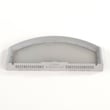
- Clean the lint screen every load; replace a damaged screen such as the GE dryer lint screen WE03X23881
- Keep the lint path clear; a clogged chute can slow airflow (see dryer lint chute assembly WE01X25335 if yours is cracked or packed with lint)
- Use sensor-dry/automatic cycles when available instead of long timed cycles
- Avoid overloading; packed loads block airflow through the drum
- Dry similar fabrics together so the cycle ends sooner
Why it matters
Lower operating cost is not just about the fuel type; it is about how long the dryer has to run to remove moisture. Better venting, a clean lint system, and the right cycle settings reduce run time, improve drying performance, and help protect components like thermostats and thermistors.
Helpful references for this model
- Use the installation guide for correct electrical and gas connection requirements and safe setup.
- For more repair and maintenance help, browse Sears PartsDirect.
Last updated: February 2026
What is the most dependable gas dryer?
For dependable gas-dryer ownership, we recommend prioritizing a proven design, strong parts availability, and straightforward service access. If you already own a GE GTD65GBPL0DG gas dryer, keeping it reliable comes down to correct installation, safe gas connections, and routine airflow maintenance; see the GTD65GBPL0DG installation guide for model-specific requirements.
What “most dependable” means in real use
Dependability is less about one perfect brand and more about how consistently the dryer heats, tumbles, and vents without overheating or wearing out support parts.
Key reliability factors we look for:
- Simple, well-supported gas burner and ignition system
- Strong airflow (short, clean venting) to prevent overheating
- Durable drum support parts (glides, bearings, idler pulley)
- Easy-to-source replacement parts and clear documentation
- Correct gas type setup (natural gas vs. LP conversion)
Model-specific reliability tips for GE GTD65GBPL0DG
This model’s installation requirements matter because poor gas hookup or restricted venting causes repeat failures (no-heat, cycling heat, thermal cutoffs).
Use these practices:
- Leak-test every gas connection with a soapy solution (never an open flame).
- Use a new approved flexible gas supply line; do not reuse old connectors.
- Keep the lint screen and lint chute area clear to protect heating performance.
- If converting to LP, use the correct conversion kit and have a qualified person perform the conversion.
Common wear parts that affect “dependability”
If your dryer starts squealing, thumping, or leaving marks on clothes, drum support parts are usually the first place we look:
| Symptom | Most likely area | Example part for this model |
|---|---|---|
| Squeal or scraping | Drum glides/bearing | Dryer drum glide bearing, upper WE03X37320 |
| Thumping or rumble | Drum support/bearing surfaces | Dryer drum bearing and slide assembly, upper WE03X23875 |
| Belt noise or poor tumbling | Idler pulley | Dryer idler pulley WE03X31620 |
Why it matters
A “reliable” gas dryer is one that maintains stable heat and airflow. When airflow is restricted or drum support parts wear out, the dryer runs hotter, takes longer to dry, and stresses thermostats, thermistors, and the burner system.
Buying and parts support
If you are comparing gas dryers, choose a model line with readily available service parts and clear installation requirements. For GE GTD65GBPL0DG replacement parts, order from the parts list for this model, or search by model number on Sears PartsDirect.
Last updated: February 2026
What is the lifespan of a GE dryer?
A GE dryer like model GTD65GBPL0DG lasts 10 years. With consistent venting and lint maintenance, many dryers reach 13 years of service; the biggest life-shorteners are restricted airflow, overheating, and running the dryer with worn drum support parts.
Typical lifespan and what changes it
Most dryers fall into a predictable range based on use and maintenance.
- Typical lifespan: 10 years
- Common extended lifespan with good care: 13 years
- Biggest factors: vent restriction, lint buildup, heat stress, and mechanical wear (drum support, belt drive)
| Usage pattern | What we typically see | What helps most |
|---|---|---|
| Light (a few loads/week) | Longer service life | Keep venting clear, avoid overloading |
| Average (most households) | Around 10 years | Clean lint path, fix noises early |
| Heavy (daily loads) | Shorter service life | Shorter vent runs, proactive part replacement |
Maintenance that adds years (and prevents overheating)
Use the care and venting guidance in the GTD65GBPL0DG owner's manual.
- Clean the lint screen every load; replace a damaged screen such as the GE dryer lint screen WE03X23881 if it no longer seals or collects lint well.
- Check and clean the vent duct regularly; long dry times usually mean restricted airflow.
- Do not overload; heavy loads strain the drive motor, idler pulley, and drum supports.
- Address squealing, scraping, or thumping early; worn glides and bearings can damage the drum.
- Keep the dryer level; vibration accelerates wear on drum supports and fasteners.
Why it matters
A dryer’s heating system and safety thermostats depend on strong airflow. When lint and vent restrictions trap heat, the dryer runs hotter and longer, which shortens the life of components like thermistors, high-limit thermostats, and the motor.
When repairs make sense
These are common wear items that often restore performance and reduce strain on the dryer:
- Drum support wear: dryer drum glide bearing WE03X37319 or dryer drum glide bearing, upper WE03X37320
- Temperature sensing issues: dryer thermistor WE4M448
- Overheat protection trips: dryer high-limit thermostat WE04X26138
For ordering model-correct replacement parts, use the parts list for GTD65GBPL0DG or search by model on Sears PartsDirect.
Last updated: February 2026