


Are Briggs and Stratton EXi engines good?
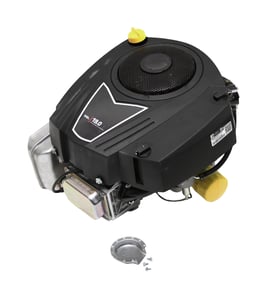
Yes. Briggs & Stratton EXi engines are a solid choice for homeowners because they are built for dependable starting, strong mowing performance, and long service life when basic maintenance is kept up. For your Briggs 104M02-0126-F1 engine, condition and upkeep (air filter, fuel system, oil) matter as much as the engine series.
EXi engines are generally considered good when you want consistent power and fewer day-to-day hassles. You will notice the difference most in:
- Easier starting after storage (with fresh fuel and a clean carburetor)
- Smoother running when the air filter is clean
- Better durability when oil level is kept correct
- More reliable throttle response when the fuel line and tank venting are in good shape
Most “bad engine” complaints trace back to fuel and airflow issues, not the core engine design. For the 104M02-0126-F1, we recommend focusing on these items first:
- Replace a dirty air filter on schedule: Briggs & stratton lawn & garden equipment engine air filter 593260
- Inspect for cracked, soft, or leaking fuel hose: Briggs & stratton lawn & garden equipment engine fuel line, red 791766
- If it surges, hunts, or only runs on choke, clean or replace the carburetor: Briggs & stratton lawn & garden equipment engine carburetor 594058
- Use fresh gasoline; drain old fuel before seasonal start-up
- Keep cooling fins and blower housing clear of grass and debris
| Symptom | Most common cause | What to check first |
|---|---|---|
| Starts then dies | Fuel restriction or stale fuel | Fuel line, tank cap venting, carburetor |
| Surging at idle | Lean fuel mix | Carburetor, air leaks, dirty air filter |
| Hard to start | Ignition or fuel delivery | Fresh fuel, plug/boot condition, carburetor |
| Weak power | Airflow or fuel issue | Air filter, carburetor, throttle linkage |
EXi engines deliver good performance only when they can breathe and get clean fuel. A restricted air filter or varnished carburetor can make any engine feel underpowered, run rough, or become hard to start.
Last updated: February 2026
What is the lifespan of a B&S engine?
Most Briggs lawn and garden engines like model 104M02-0126-F1 typically run 500 to 3,000+ hours when maintained correctly; in homeowner use, that often translates to 10 to 20 years of seasonal mowing. Clean air filtration, fresh fuel, and on-time oil service are what most directly determine engine life.
These ranges assume normal mowing loads and basic maintenance.
| Use type | Typical hours | What that usually means |
|---|---|---|
| Light homeowner | 500 to 1,000 | Occasional mowing, shorter seasons |
| Average homeowner | 1,000 to 2,000 | Regular weekly mowing in season |
| Heavy duty / excellent maintenance | 2,000 to 3,000+ | Larger yards, long seasons, careful upkeep |
We recommend focusing on these items first because they prevent the most common wear and fuel-related failures.
- Change oil on schedule and keep the oil level correct (running low accelerates wear fast)
- Keep the cooling fins and blower housing clear of grass and debris to prevent overheating
- Replace or clean the air filter regularly; a restricted filter causes rich running and carbon buildup
- Use fresh, clean gasoline; don’t store fuel for long periods in the tank
- Inspect fuel lines for cracking or soft spots and replace if they seep or collapse
- Store the equipment dry; moisture drives corrosion in the fuel system
Helpful model-matched parts for upkeep include the Briggs & stratton lawn & garden equipment engine air filter 593260 and the Briggs & stratton lawn & garden equipment engine fuel line, red 791766.
| Symptom | Common cause | What to check first |
|---|---|---|
| Surging or hunting | Fuel restriction or dirty carburetor | Fuel quality, fuel line condition |
| Hard starting | Old fuel, weak spark, restricted air | Air filter, fuel freshness |
| Loss of power | Dirty air filter, overheating | Air filter, debris around cooling |
Engines usually do not “wear out” all at once; they lose life through overheating, dirty air ingestion, and stale-fuel varnish in the carburetor. Preventing those issues is the most cost-effective way to maximize hours on a Briggs engine.
Last updated: February 2026
How do I tell what HP my Briggs and Stratton engine is?
For a Briggs engine like model 104M02-0126-F1, the most reliable way to identify horsepower (HP) is to use the engine’s Model, Type, and Code numbers from the shroud or valve cover area; those numbers map to the exact factory power rating for that specific build.
Look for a stamped tag, sticker, or etched numbers on the engine. Common locations include:
- On top of the blower housing (recoil starter shroud)
- Near the muffler heat shield
- Near the spark plug boot
- On the valve cover area
- On the engine shroud near the fuel tank
Once you have the Model, Type, and Code, use them to look up the engine specifications (HP, displacement, tune-up parts, and diagrams).
- Write the numbers down exactly as shown (letters and dashes matter)
- Match the numbers to the correct spec listing for your engine build
- Use the spec info to confirm HP and to select correct parts like an air filter, carburetor, or fuel line
If the label is missing or unreadable, we use common service clues (air filter style, carburetor family, and fuel system layout) to narrow it down, but the Model, Type, and Code is still the fastest path.
Small engines are often identified by more than just HP. Here is how the common identifiers compare:
| Identifier | What it tells you | Best use |
|---|---|---|
| HP rating | Power output | Comparing engines |
| Displacement (cc) | Engine size | Parts families, performance |
| Model/Type/Code | Exact build configuration | Correct parts and specs |
HP can vary between very similar-looking Briggs engines, and the Model/Type/Code determines the correct carburetor calibration, governor setup, and maintenance parts. Using the exact build ID helps prevent ordering the wrong tune-up parts.
If you are doing a tune-up while confirming specs, these are common maintenance items for this engine family:
- Briggs & stratton lawn & garden equipment engine air filter 593260
- Briggs & stratton lawn & garden equipment engine fuel line, red 791766
- Briggs & stratton lawn & garden equipment engine carburetor 594058
Last updated: February 2026
What size shaft is a 104M02-0126-F1?
For the Briggs 104M02-0126-F1 lawn and garden engine, the crankshaft is a vertical shaft with a 7/8-inch (22.225 mm) diameter and a 1-13/16-inch (46.04 mm) shaft length. Always confirm by measuring your existing crankshaft before ordering a replacement such as the crankshaft 595501.
Use these measurements when matching a blade adapter, pulley, or replacement crankshaft:
| Measurement | Spec for 104M02-0126-F1 | How to measure |
|---|---|---|
| Shaft diameter | 7/8 in (22.225 mm) | Caliper across the shaft OD |
| Shaft length | 1-13/16 in (46.04 mm) | From crankcase face to shaft end |
- Clean the shaft so rust and debris do not change the reading.
- Measure diameter with a caliper in two spots to confirm it is not worn.
- Measure length from the engine base (crankcase mounting surface) to the end of the shaft.
- Check for a keyway and record its width and location if your mower uses a keyed blade adapter.
- Inspect the shaft end style (threads, tapped hole, or plain end) and match it to your hardware.
Shaft diameter and length control whether the blade adapter seats correctly and whether the blade height and deck clearance are correct. A mismatch can cause vibration, poor cutting performance, and crankshaft damage.
Last updated: February 2026