

How to find ice maker model number?
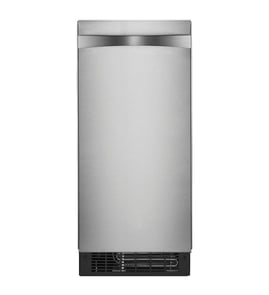
For a Kenmore freestanding ice maker like model 10689489995, the model number is typically printed on a rating label inside the cabinet or on the back panel. Once you have the full model number, we can match the correct replacement parts and diagrams for your exact unit.
Common places to check on a freestanding ice maker
Look for a sticker or metal tag that includes the model and serial number:
- Inside the ice storage bin area (side wall or rear wall)
- On the back exterior panel near the power cord
- Along the lower rear cabinet edge (near the floor)
- Behind the front toe grille or lower access panel (if equipped)
- On the inside edge of the door frame (if your unit has a door)
What the label usually looks like
Most Kenmore rating labels include:
- Model number (example: 10689489995)
- Serial number
- Electrical rating (volts and amps)
- Refrigerant type (on many units)
| If you see… | Use this for parts lookup | Notes |
|---|---|---|
| A full model number (all digits/letters) | Yes | Best match for diagrams and parts |
| Only a partial number | No | Keep looking for the complete label |
| A serial number only | No | Helpful for age, not for part matching |
Why it matters
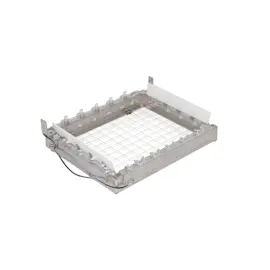
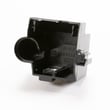
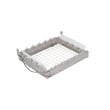
Kenmore model numbers can look similar across different ice makers, but internal parts can vary. Using the exact model number helps ensure you get the right items such as a water inlet valve, cutter grid, or water tube.
If the label is missing or unreadable
Use a part already installed on the unit to help identify the correct model family. For example, if you are replacing a leaking fill line, you can compare your existing tube to the water tube W10823511.
Last updated: January 2026
What is the average lifespan of an ice maker?
Most freestanding ice makers like Kenmore model 10689489995 last 5 to 10 years. Units that get regular cleaning, good airflow at the condenser area, and consistent water supply quality typically reach the longer end of that range.
What affects lifespan the most
- Water quality and scale buildup: hard water shortens life by clogging water paths and stressing the pump.
- Cleaning frequency: mineral deposits and biofilm reduce performance and cause leaks.
- Ventilation and heat: restricted airflow makes the compressor and condenser system run hotter.
- Usage level: heavy daily production wears moving parts faster.
- Small leaks: slow drips can corrode components and damage wiring.
Maintenance that helps you reach 10 years
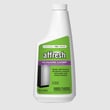
- Run an ice maker cleaning cycle using freestanding ice maker cleaner W11179302.
- Inspect the water feed path for kinks, cracks, or mineral blockage; replace the water tube W10823511 if it is brittle or leaking.
- Keep the unit level so water flows correctly and the bin fills normally; adjust or replace the level leg 8193716 if the cabinet rocks.
- Maintain airflow: vacuum dust from the grille and condenser area and keep clearance around the cabinet.
- Watch for early symptoms (thin cubes, hollow cubes, slow production, water in the bin) and correct them quickly.
Quick guide: symptoms and what they usually point to
| Symptom | Common cause | What to check first |
|---|---|---|
| Slow ice production | Dirty condenser, scale buildup | Clean condenser area; run cleaner |
| Small or hollow cubes | Water flow restriction | Water tube, inlet valve, scale |
| Water leaking inside | Loose tube, cracked tube, mis-level | Water tube; level legs |
| No ice but unit runs | Temperature sensing or circulation issue | Bin thermistor, pump, scale |
Why it matters
A freestanding ice maker is a small refrigeration system plus a water system. Keeping water passages clean and the condenser area dust-free reduces run time, prevents overheating, and helps expensive components (like the compressor and pump) last longer.
Last updated: January 2026
Is it worth replacing the ice maker on a refrigerator?
Yes, it’s usually worth replacing a refrigerator ice maker when the refrigerator is in good overall condition and the fix is limited to the ice system (water valve, water tube, thermistor, or cutter grid). If the refrigerator is near end-of-life or has sealed-system issues, replacement is the better value.
Quick decision checklist
- Replace the ice maker system if the refrigerator cools normally and only ice production is failing.
- Replace the refrigerator if you also have warm temps, repeated compressor cycling, or major frost/defrost problems.
- Replace parts first when symptoms point to a single failure (leak, no fill, slow production).
- Consider a standalone unit if you need high daily ice output and want simpler service.
- If you see water leaks or mineral buildup, plan on cleaning and water-path parts, not just the ice maker head.
Common “ice maker is bad” symptoms that are often a different part
Many ice complaints come from water delivery or sensing problems. On Kenmore model 10689489995 (freestanding ice maker), these parts are common fixes:
| Symptom | Likely cause | Part to check |
|---|---|---|
| No water entering, hollow cubes | Inlet valve not opening fully | Valve W10801996 |
| Leaking inside cabinet, misdirected water | Cracked or loose fill tube | Water tube W10823511 |
| Overfills or stops early, erratic bin level | Temperature sensing issue | Ice maker bin thermistor WPW10503764 |
| Slab ice or cubes not cutting cleanly | Cutter grid not heating/cutting | Cutter grid WP2313637 |
Cost and value guidelines we use
- If the repair is one or two parts (valve, tube, thermistor), it’s typically a good value.
- If multiple major parts stack up (cutter grid plus pump plus control issues), the total can approach the cost of a replacement unit.
- If the sealed system is involved (compressor, refrigerant leak), repairs are typically high-cost and usually not the best return.
Why it matters
Replacing the right component restores ice production faster and prevents repeat failures like leaks, low ice output, and scale buildup that can shorten the life of the recirculation system.
Last updated: January 2026
Can I leave my portable ice maker on all the time?
Yes, you can leave a Kenmore freestanding ice maker like model 10689489995 powered on, but we recommend running it only when you need ice. Many units pause when the bin is full, and leaving it on continuously can lead to wet, clumped ice and extra wear on the pump, valve, and condenser system.
Best practice for everyday use
If you want reliable ice quality and fewer service issues, use a simple routine:
- Turn the unit on a few hours before you need ice
- Empty the bin if you will not use the ice within a day or two
- Drain and wipe the bin dry after heavy use or parties
- Keep the front and rear vents clear so the condenser can reject heat
- Use clean water; mineral-heavy water increases scale buildup
What happens when you run it 24/7
A freestanding automatic ice maker is designed to cycle on and off, but constant standby operation still creates common annoyances.
| If left on all the time | What you may notice | What to do |
|---|---|---|
| Bin stays full | Ice can melt slightly and refreeze into clumps | Dump and refresh the bin periodically |
| More mineral scale | Slower production, smaller cubes, odors | Use freestanding ice maker cleaner W11179302 on a regular schedule |
| Higher component run time | More wear on pump, valve, fan motor | Run only as needed; keep airflow clear |
Quick checks if ice is melting or clumping
These steps address the most common causes without guessing at model-specific settings:
- Confirm the door closes and seals evenly; a poor seal lets warm air in
- Make sure the unit is level; adjust with level leg 8193716 if it rocks
- Clean the condenser area and ensure the fan is moving air
- If cubes are hollow or production is inconsistent, check for restricted water flow (kinked line, clogged inlet)
Why it matters
Running only when needed helps keep cubes drier, reduces scale buildup, and lowers stress on key parts like the water inlet valve, recirculation pump, and condenser motor. That typically means fewer leaks, fewer no-ice complaints, and better-tasting ice.
Last updated: January 2026