Error Codes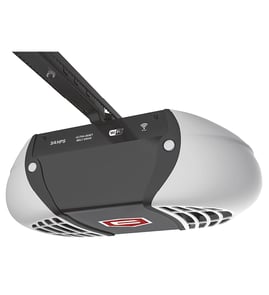

Do they make screw drive garage door openers anymore?
Yes, screw-drive garage door openers are still made, but they are less common than belt-drive and chain-drive models. For a Genie AC screw-drive opener (model AC), screw-drive designs remain a practical choice when you want a simple drive system and you keep up with routine lubrication and adjustments.
Why screw-drive openers are less common now
Manufacturers shifted many product lines toward belt and chain drives because they tend to be quieter and need less frequent drive-system maintenance.
Common reasons homeowners replace screw-drive units:
- More noticeable operating noise and vibration than many belt-drive units
- Performance changes in very hot or very cold garages (lubricant thickens or thins)
- More frequent lubrication needs on the screw/rail
- Rail or carriage wear if maintenance is skipped
- More demand for newer “smart” features that are often bundled with belt-drive models
How to tell what you have (and what to shop for)
If your opener uses a long threaded rod (screw) running down the rail, it is a screw-drive. If it uses a chain or rubber belt, it is not.
| Drive type | Typical noise level | Typical maintenance | Best fit for |
|---|---|---|---|
| Screw drive | Medium to high | Lubricate screw/rail periodically | Simple setups, consistent maintenance |
| Chain drive | Medium | Check chain tension, lubricate as needed | Budget-friendly durability |
| Belt drive | Low | Minimal | Quiet operation, attached garages |
Why it matters
Choosing the right drive type affects day-to-day comfort (noise), reliability in your garage’s temperature range, and how often you will need to service the rail, carriage, and force/travel settings.
Helpful troubleshooting if yours is ACting up
If your Genie screw-drive opener is running but the door will not move, reverses, or flashes diagnostic lights, start with the model’s error/diagnostic guidance and basic safety checks:
- Confirm the door moves smoothly by hand (with the opener disconnected)
- Check safety sensor alignment and wiring at the door tracks
- Inspect the screw/rail for dry spots, debris, or visible wear
- Verify travel limits and force settings are not misadjusted
- Watch for repeating light patterns that indicate a fault
For diagnostic light patterns and common faults, use our Genie screw-drive error codes guide.
Last updated: February 2026
Are screw drive garage door openers any good?
Yes. Screw-drive garage door openers like the Genie AC are a solid choice when you want fast, direct lifting power with fewer moving parts than chain systems; they tend to be reliable, but they perform best when the rail and screw are kept clean and properly lubricated.
What “good” means for a screw-drive opener
Screw-drive units are often a great fit when you value straightforward mechanics and strong pulling force.
Common advantages
- Strong, direct drive for many standard residential doors
- Fewer wear items than chain-drive systems (no chain to stretch)
- Typically quick open and close travel
- Good option for garages where you want a simpler drive layout
Common tradeoffs
- Can be louder than belt-drive openers, especially as the screw/rail dries out
- More sensitive to temperature swings (cold can thicken grease; heat can thin it)
- Needs periodic screw/rail cleaning and lubrication to stay smooth
Maintenance that keeps a screw drive working well
Most “screw drive problems” come down to friction, alignment, or door balance.
- Clean the rail and screw to remove dust and hardened grease
- Lubricate the screw/rail with a garage-door-opener-approved lubricant (avoid heavy, sticky grease that attracts dirt)
- Test door balance: disconnect the trolley and lift the door by hand; it should stay near mid-travel
- Check safety sensors for alignment and a clear line of sight
- Tighten visible mounting hardware and inspect for vibration
For a simple upkeep checklist, use our how to maintain a garage door opener guide.
Quick comparison: screw vs. chain vs. belt
| Drive type | Typical noise | Typical upkeep | Best for |
|---|---|---|---|
| Screw drive | Medium | Clean and lubricate screw/rail | Direct power, fewer moving parts |
| Chain drive | Higher | Chain tension and lubrication | Budget-friendly, rugged use |
| Belt drive | Lower | Minimal | Quiet operation, attached garages |
Why it matters
Choosing the right drive type affects noise, reliability, and how often you will need to tune the opener. With a Genie screw-drive model like AC, basic maintenance and a properly balanced door do the most to prevent travel issues and premature wear.
Last updated: February 2026
What are the disadvantages of a screw drive garage door opener?
Screw-drive openers like the Genie AC use a threaded steel rod to move the trolley; the main disadvantages are more noise and vibration than belt drives, more sensitivity to temperature swings, and more frequent lubrication and cleaning to prevent binding and premature wear.
Common disadvantages (what you will notice)
- Noisier operation: metal-on-metal contact can sound louder, especially in attached garages.
- Temperature sensitivity: cold can thicken lubricant and slow travel; heat can thin lubricant and increase mess.
- More maintenance: the screw typically needs periodic lubrication and the rail needs cleaning.
- Wear points: the carriage/trolley and screw threads can wear faster if lubrication is neglected.
- Less forgiving of door issues: a sticky or unbalanced door can make a screw drive strain, stop, or reverse.
Quick comparison: screw vs chain vs belt
| Drive type | Noise level | Maintenance | Best fit |
|---|---|---|---|
| Screw drive | Medium to high | Regular lube and cleaning | Heavy doors, simple rail layouts |
| Chain drive | High | Occasional adjustment and lube | Budget installs, detached garages |
| Belt drive | Low | Minimal | Attached garages, quiet operation |
What we recommend to reduce the downsides
- Test door balance and roller condition; a smooth door reduces strain on the opener.
- Clean the rail and screw to remove dust and old grease buildup.
- Use the lubricant type recommended for garage door opener screw drives (avoid heavy grease that gums up in cold).
- Check safety sensors alignment and wiring if the door reverses or refuses to close.
- If the opener has force or travel adjustments, set them correctly so the motor is not overworking.
Why it matters
Most screw-drive complaints (slow travel, binding, loud operation, random reversing) trace back to friction: temperature changes, dried lubricant, or a door that is not rolling freely. Keeping the door hardware and screw drive maintained helps the Genie AC run smoother and extends the life of the motor and drive components.
For symptom-specific troubleshooting, use Genie screw-drive error codes.
Last updated: February 2026
What is the best screw drive garage door opener?
The “best” screw-drive garage door opener depends on your door weight, noise tolerance, and the features you want (smart control, battery backup, lighting). For most homes, a Genie screw-drive model with strong lifting power and solid safety-sensor performance is the best fit when it is properly adjusted and maintained.
How we recommend choosing the best screw-drive opener
Use these criteria to pick the right screw-drive unit for your garage door and usage:
- Door size and weight: Heavier double doors need higher lifting capacity and a well-balanced door.
- Noise and vibration: Screw drives are often faster, but can be louder than belt drives.
- Climate: Cold weather can thicken lubricant and increase rail noise; maintenance matters.
- Smart features: Decide if you want app control, alerts, and integration with smart home systems.
- Safety and reliability: Consistent photo-eye alignment and correct force settings reduce reversals.
- Parts availability: Choose a model line with readily available replacement parts over time.
Screw drive vs. other drive types (quick comparison)
| Drive type | Typical strengths | Typical tradeoffs | Best for |
|---|---|---|---|
| Screw drive | Fast travel, fewer moving parts than chain | More rail noise; needs correct lubrication | Standard to heavier doors where speed matters |
| Belt drive | Quiet, smooth | Belt wear over time | Attached garages, noise-sensitive homes |
| Chain drive | Durable, cost-effective | Noisiest option | Detached garages, budget installs |
What “best” looks like in real use
A screw-drive opener is the best choice when it does all of the following consistently:
- Opens and closes fully without hesitation or binding
- Reverses correctly when the safety beam is blocked
- Does not stop mid-travel or flash repeated diagnostic lights
- Runs smoothly with normal rail lubrication (not dripping or dry)
- Holds travel limits and force settings without frequent readjustment
Why it matters
If the opener is oversized, poorly adjusted, or installed on a door with worn rollers/springs, it can ACt “weak” even when the motor is fine. Correct force and travel settings, aligned safety sensors, and routine lubrication are what make a screw-drive system feel powerful and dependable.
Helpful Genie troubleshooting if you are comparing models
When you are evaluating performance or diagnosing a current opener, we use these resources to interpret light patterns and behavior:
Last updated: February 2026
What does AC mean?
In garage door opener terms, AC means alternating current. On a Genie screw-drive opener, that label describes the type of electrical power the opener is designed to use (standard household AC power), not a complete, unique Genie model identifier by itself.
What “AC” means for a Genie screw-drive opener
- The motor system is designed around AC household power.
- Power issues are checked at the outlet, wiring connections, and internal power components first.
- AC and DC openers use different electrical designs; parts like control boards and power modules are not interchangeable.
- “AC” can appear in listings as a series/type label; the full model number is typically longer and found on the opener’s rating label.
AC vs. DC openers (quick comparison)
| Item | AC opener | DC opener |
|---|---|---|
| Power type | Alternating current | Direct current (converted from AC by a power supply) |
| Common symptoms when power is lost | No lights, no response | May still show standby lights if battery backup is present |
| Typical first checks | Outlet power, wiring, safety sensors | Power supply, logic board, battery backup (if equipped) |
If you’re asking because the opener is not working
- Verify the ceiling outlet has power (test with a lamp).
- Check for blinking diagnostic lights and note the pattern.
- Inspect safety sensor alignment and make sure the sensor lenses are clean.
- If you see a fault pattern, match it using Genie screw-drive error codes.
Why it matters
Knowing whether your Genie opener is AC or DC helps you use the right troubleshooting path and avoid ordering incompatible electrical parts.
Last updated: February 2026