Owner’s manual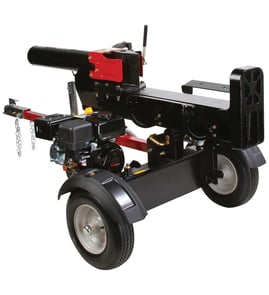

How big a log will a 22-ton log splitter handle?
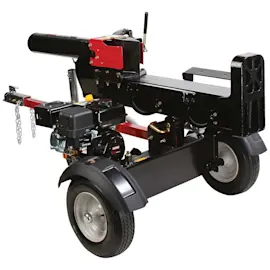
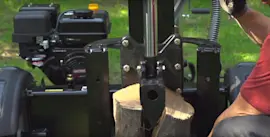
A 22-ton log splitter is typically sized for logs up to about 24 inches long; on the Swisher LS10528H, the maximum log length is 24 inches. Log diameter varies by wood species and knots, but most 22-ton splitters handle many rounds in the mid-teens (inches) when the log is cut square and split with the grain. See the LS10528H owner's manual for operating limits and safety rules.
What “big” means on a 22-ton splitter
Log size is really three things: length, diameter, and difficulty.
- Length (most important limit): keep logs 24 inches or less on the LS10528H.
- Diameter: many 22-ton machines split typical rounds in the 12 to 18 inch range, depending on species and knots.
- Grain and knots: straight-grain wood splits far easier than twisted grain or knotty rounds.
- Moisture: very stringy, wet wood can be harder to separate cleanly.
- How you split: splitting a large round in halves or quarters first makes the rest much easier.
Quick sizing guide (practical expectations)
| Log characteristic | What to expect on a 22-ton splitter | Best practice |
|---|---|---|
| Length | Up to 24 in. (LS10528H spec) | Cut ends square so the log sits stable |
| Straight-grain hardwood | Often splits well in mid-teen diameters | Start with the easiest face, re-position as needed |
| Knotty or crotched rounds | May stall or split unpredictably | Nibble edges, or pre-split with a saw |
| Oversized rounds | Can be too heavy or awkward even if power is enough | Roll into position; keep hands off the ends |
Tips to safely handle larger rounds
- Place hands on the sides of the log, not on the ends.
- Split with the grain only; never try to split across the grain.
- Keep bystanders at least 20 feet away; only one operator should load and run the splitter.
- Operate on level ground with the wheels blocked.
- Wear eye and hearing protection, gloves, and steel-toed footwear.
Why it matters
Staying within the LS10528H’s 24-inch log length limit and using correct positioning reduces kick-out, pinched fingers, and hydraulic strain. It also helps you get consistent cycle performance from the cylinder and valve.
Last updated: February 2026
What is the bleed screw for on a log splitter?
On the Swisher LS10528H log splitter, the bleed screw (vent) lets air move in and out of the hydraulic oil tank as the fluid level changes during operation. We loosen it for use so the tank can vent; we tighten it before moving or storing the splitter to help prevent oil leaks.
How to use the bleed screw correctly
- Before starting the engine, loosen the bleed screw so the reservoir can vent.
- During splitting, you should be able to detect airflow at the vent.
- Before towing or transporting, tighten the bleed screw to reduce the chance of oil seeping out.
- Keep the area around the vent clean so dirt does not enter the hydraulic reservoir.
- Never loosen hydraulic fittings, lines, or the reservoir cap while the engine is running.
Quick do and don’t table
| Situation | Bleed screw position | Why |
|---|---|---|
| Splitting logs | Loosened | Prevents pressure or vacuum in the tank |
| Towing/transport | Tightened | Helps prevent hydraulic oil leakage |
| Storage | Tightened | Reduces seepage and mess |
| Checking hydraulic fluid | Tightened (engine off) | Keeps debris out while you work |
Why it matters
A properly vented hydraulic reservoir helps the pump draw fluid consistently and helps protect seals and hoses from pressure stress. It also reduces messy leaks when you move the log splitter.
Related maintenance tips
- Use the hydraulic fluid type and fill level specified in the LS10528H owner’s manual.
- If you notice oil around the cylinder, pump, or valve, use our troubleshooting steps in log splitter hydraulic cylinder leaks.
Last updated: February 2026
What are common problems with log splitters?
Common problems on the Swisher LS10528H log splitter are slow or weak splitting (hydraulic issue), the wedge or ram not moving correctly (control valve, cylinder, or air in the system), and engine-related no-start or rough-running symptoms. Our owner's manual also highlights safe operation issues that often look like “performance problems.”
Most common symptoms and what they usually point to
- Slow ram or weak splitting force: low hydraulic fluid, wrong fluid, cold fluid, air in the system, worn pump, slipping coupler
- Ram extends but won’t retract (or vice versa): sticking control valve, binding on the beam, cylinder internal leak, return spring issue (if equipped)
- Hydraulic oil leaks: cylinder seals, hose fittings, pump seal, valve body leaks
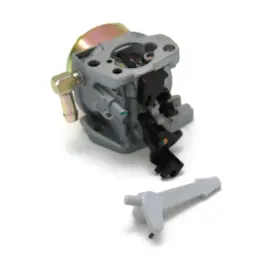
- Engine won’t start (gas models): stale fuel, clogged carburetor, fouled spark plug, low oil level (oil-alert systems), dirty air filter
- Engine runs rough or misfires: dirty carburetor, water in fuel, restricted fuel line, dirty air filter
- Log pops out or splits unpredictably: log not cut square, splitting across the grain, poor footing or unstable setup
Quick checks we recommend before replacing parts
- Work setup: operate on level ground with wheels blocked; keep the work area clear.
- Hydraulic basics: verify fluid level, look for foaming (air), and inspect hoses and fittings for wet spots.
- Mechanical binding: check that the wedge/slider moves straight on the beam and nothing is jammed.
- Engine basics: confirm fresh fuel, correct oil level, and a clean air filter.
- Safety controls: never reach across the splitting area; keep hands on the sides of the log, not the ends.
Troubleshooting map (symptom to next step)
| What you notice | Most likely area | Best next step |
|---|---|---|
| Slow, jittery, or weak ram | Hydraulic fluid or air | Check level, look for foaming, cycle the ram to purge air |
| Oil under the machine | Cylinder, pump, valve, hoses | Identify leak source, tighten fittings, replace leaking component |
| Ram won’t extend the wedge | Cylinder/valve/pump | Inspect for binding, then test hydraulic output |
| Engine won’t start | Fuel/ignition | Check fuel quality, spark plug, air filter, carburetor |
Why it matters
Hydraulic problems reduce splitting force and can overheat the pump; engine problems stop the job entirely. Just as important, unsafe footing, improper log handling, or operating with bystanders nearby can turn a “minor issue” into a serious injury risk.
Helpful DIY guides
Last updated: February 2026
How much horsepower is needed for a log splitter?
Most gas hydraulic log splitters need about 6 to 14 HP, depending on the splitter’s tonnage, hydraulic pump size, and the cycle time you want. For your Swisher LS10528H, use the engine and operating specifications listed in the LS10528H owner's manual so the pump and engine are correctly matched.
Practical horsepower ranges (what we use as a sizing guide)
These ranges fit most homeowner and light commercial splitters.
- 5 to 7 HP: light-duty splitters, smaller pumps, slower cycle times
- 8 to 10 HP: common for mid-size splitters; good all-around firewood performance
- 11 to 14 HP: higher tonnage or faster cycle-time setups; better for large, knotty rounds
- More HP than needed: usually increases fuel use more than splitting force
- Too little HP: engine bogs under load, runs hotter, and cycle time slows
What actually drives the horsepower requirement
Horsepower is mainly about keeping engine RPM steady while the hydraulic system is under load.
- Hydraulic pump demand (GPM and pressure): higher flow and pressure require more power
- Splitting force (tons): higher tonnage generally means higher pressure demand
- Cycle time goal: faster extend/retract needs more flow, which increases HP demand
- Hydraulic fluid temperature: cold fluid increases load until it warms up
Quick comparison table
| Splitter type | Typical HP range | What you’ll notice |
|---|---|---|
| Light-duty homeowner | 5 to 7 HP | Slower cycle, smaller rounds |
| Mid-size homeowner | 8 to 10 HP | Balanced speed and power |
| Heavy-duty or fast-cycle | 11 to 14 HP | Better speed under heavy load |
Why it matters
Correct horsepower prevents stalling and overheating, and it helps the hydraulic pump deliver consistent pressure so the wedge keeps moving through tough grain.
For safe operation details (ventilation, bystander distance, and fluid fill requirements), follow the LS10528H owner's manual.
Last updated: February 2026