 Installation guide
 Owner’s manual



Where to find part number on GE dryer?
On your GE DJXR433EC3WW electric dryer, we find the model and serial label (used to look up the correct replacement part numbers) on the front of the dryer behind the door. Use that label information when ordering parts so you get the right fit.
Where to look on the dryer
Check these common label locations first:
- Open the dryer door and look on the front panel behind the door (most common for this model series)
- Check the door opening frame around the drum opening
- Look along the inside edge of the door itself
- If the label is worn, use a flashlight and look for faint printing
What numbers you need (and what they mean)
Use the label to capture these details:
- Model number: DJXR433EC3WW (identifies the exact dryer design)
- Serial number: helps confirm production details for correct part matching
- Electrical rating (if shown): useful when diagnosing heat or power issues
| Label item | What it’s used for | Example for your dryer |
|---|---|---|
| Model number | Matches parts diagrams and compatible parts | DJXR433EC3WW |
| Serial number | Confirms version and manufacturing run | (varies) |
| Rating info | Helps verify correct electrical setup | (varies) |
Tips for ordering the right part
Once you have the model number, we recommend:
- Compare the part name and ID to your symptom (belt, thermostat, door switch)
- Match the exact part ID when available, such as the drive belt WE03X29897
- Use the exploded views and part lists in the DJXR433EC3WW owner’s manual to confirm placement and quantity
Why it matters
GE dryers often share similar-looking parts across model families, but small design changes can affect fit and wiring. Using the model and serial label prevents ordering the wrong heating element, timer, or drum support parts.
Last updated: February 2026
How to check GE dryer model number?
On your GE electric dryer model DJXR433EC3WW, the model number is printed on the rating label on the front of the dryer behind the door. Open the dryer door and look along the front frame area just inside the opening.
Where to look on the dryer
Check these common label locations first:
- Front frame behind the door (most common on GE dryers)
- Left or right side of the door opening on the cabinet frame
- Near the door latch area on the front panel
- On the inside edge of the door (less common)
What to write down (and why)
Record both numbers exactly as shown:
- Model number (used to match parts and diagrams)
- Serial number (used to identify production details)
- Any suffix letters/numbers (they can change the correct part fit)
Quick example
| Label item | What it’s used for | When you need it |
|---|---|---|
| Model number (DJXR433EC3WW) | Correct parts lookup | Ordering parts like a belt, thermostat, or timer |
| Serial number | Production info | Service questions, warranty, and some part variations |
If the label is hard to read
Use these steps to make it legible:
- Wipe dust off with a damp cloth, then dry it
- Use a flashlight at an angle to reduce glare
- Take a close-up photo and zoom in
- Copy characters carefully (common mix-ups: 0/O, 1/I, 5/S)
Why it matters
GE often uses similar-looking dryer platforms across multiple model series; using the exact DJXR433EC3WW model number helps us match the correct GE parts (for example, the correct control components and drum support parts) the first time.
For the official location reference and model identification notes, use the DJXR433EC3WW owner’s manual.
Last updated: February 2026
What's the life expectancy of a GE dryer?
A GE electric dryer like model DJXR433EC3WW typically lasts about 13 years. Consistent airflow (proper venting), regular lint removal, and avoiding overloads do the most to protect the heating system, motor, and drum support parts so the dryer reaches its full service life.
What affects dryer lifespan the most
- Vent length and material: Use only 4-inch metal duct and keep the run within the limits in the installation guide.
- Lint control: Clean the lint filter before every load; have internal lint cleaned periodically.
- Load size: Avoid overloading; it increases wear and can lengthen dry times.
- Heat stress: Restricted airflow overheats thermostats and the heating circuit.
- Wear parts: Belts, glides, and idler pulleys wear gradually and can be replaced.
Quick maintenance checklist (high impact)
- Clean lint screen before each use (per the DJXR433EC3WW owner’s manual).
- Inspect and clean the vent line and outside hood; remove lint buildup.
- Keep the dryer level to reduce drum and bearing wear.
- Do not dry foam, rubber-coated items, or plastics (they can damage the dryer and create hazards).
Typical lifespan and what to expect
| Dryer age | What’s common | What we usually do |
|---|---|---|
| 0 to 5 years | Minor adjustments, vent cleaning | Prevent overheating and long dry times |
| 6 to 10 years | Noises, slower drying, occasional no-start | Replace wear parts, verify airflow |
| 11 to 15 years | More frequent repairs | Decide repair vs. replace based on condition |
Parts that commonly extend life when replaced
If the drum stops turning or you hear squealing or thumping, these wear items are often involved:
- Drive belt WE03X29897 (drum won’t tumble)
- Idler pulley WE12X83 (squeal, belt tension issues)
- Dryer drum glide bearing (green) WE03X37317 (scraping, rumbling at the front)
Why it matters
A dryer that is vented correctly dries faster, runs cooler, and puts less strain on the heating element, thermostats, and motor. The installation instructions also note that overly long exhaust runs increase drying time, energy cost, lint buildup, and can reduce dryer life.
Last updated: February 2026
What is the most common problem with a GE electric dryer?
For the GE DJXR433EC3WW electric dryer, the most common problems are no heat/long dry times (usually airflow restriction or a failed heating control part) and the drum not tumbling (often a worn belt or idler system). Start with venting and power checks, then move to parts testing.
Quick checks that solve the most calls
- Clean the lint screen before every load.
- Confirm strong airflow at the outside vent hood.
- Check the house breaker: most electric dryers need two breakers/fuses; one can trip and the dryer will still run but not heat.
- Make sure the exhaust duct is 4-inch rigid or flexible metal, not plastic, and not crushed.
- Verify the dryer is level and stable; some vibration noise is normal.
Most common symptom-to-cause map
| Symptom | Most common cause | What to do next |
|---|---|---|
| Tumbles but no heat | One breaker/fuse tripped, heating circuit issue | Reset/replace both breakers/fuses; then test heater and thermostats |
| Takes too long to dry | Restricted venting, lint buildup | Shorten/clean duct, confirm damper opens freely |
| Won’t start | Power issue, door switch issue | Check outlet/breakers; test door switch |
| Drum won’t tumble | Belt/idler/glides worn | Inspect belt path and drum support parts |
Parts that commonly fix these issues on DJXR433EC3WW
If the drum will not turn or you hear squealing/thumping, these model-matched parts are frequent fixes:
- Drive belt WE03X29897 (drum turns)
- Idler pulley WE12X83 (keeps belt tension)
- Dryer drum glide bearing (green) WE03X37317 and dryer drum front glide pad WE03X37318 (drum support and noise reduction)
If the dryer runs but does not heat, common heating-side suspects include:
Why it matters
Airflow problems and incorrect venting can cause overheating, long dry times, and repeated shutdowns. Following the venting rules and troubleshooting steps in the DJXR433EC3WW installation guide and operating tips in the DJXR433EC3WW owner's manual prevents repeat failures and helps parts like thermostats and the heating element last longer.
Last updated: February 2026
What are the parts of the dryer?
A GE electric dryer like model DJXR433EC3WW is built around an airflow system (blower, ducting, vent), a rotating drum system (belt, motor, idler, glides), and heat and safety controls (heating element and thermostats). These parts work together to tumble clothes while moving heated air through the drum.
Main dryer parts and what they do
- Drum: Holds and tumbles the load.
- Drive system: Motor turns the drum using a belt and idler pulley.
- Drum support: Glides, pads, and bearings support the drum and reduce friction.
- Airflow system: Blower wheel pulls air through the drum and pushes it out the exhaust duct.
- Heating system (electric): Heating element warms the air; thermostats regulate temperature.
- Controls and switches: Timer and door switch control operation and safety.
Common DJXR433EC3WW parts customers replace
| Symptom | Most likely part(s) | Example part for this model |
|---|---|---|
| Drum will not turn | Belt, idler pulley, motor | Drive belt WE03X29897, idler pulley WE12X83 |
| Squealing, scraping, thumping | Glides/pads, felt seal, bearings | Dryer drum glide bearing (green) WE03X37317, felt WE09X27634 |
| Runs but no heat | Heating element, thermostats | GE dryer heating element assembly WE11M23, dryer safety thermostat WE4M160 |
| Will not start | Door switch, timer | Door switch WE4M415, dryer timer WE4M284 |
Why it matters
Knowing the major systems helps you troubleshoot faster. For example, long dry times often point to airflow and venting, while noise usually points to drum support parts. The installation instructions also stress using solid metal ducting when possible and venting outdoors for best performance and safety.
Where to confirm diagrams and locations
Use the DJXR433EC3WW installation guide for venting and electrical requirements, and the DJXR433EC3WW owner’s manual for operating and safety information before servicing.
Last updated: February 2026
How do you reset the heating on a GE dryer?
On the GE DJXR433EC3WW electric dryer, there is no separate “heat reset” button; heating is restored by correcting the cause (most often a tripped breaker or airflow problem). Start by turning the dryer off, unplugging it for 1 minute, then restoring power and verifying both legs of the 240V supply are on per the DJXR433EC3WW installation guide.
Quick reset and heat-check steps
- Set the cycle to a heated cycle (not Quick Fluff/Fluff No Heat).
- Unplug the dryer for 1 minute, then plug it back in.
- Check the home electrical panel; reset both breakers (most electric dryers use 2 breakers).
- Run a timed cycle for 5 minutes and confirm the drum warms.
- Clean the lint filter and confirm the vent damper opens freely.
Most common reasons a GE dryer tumbles but won’t heat
| Symptom | Most likely cause | What we recommend |
|---|---|---|
| Tumbles, no heat | One breaker tripped or one fuse blown | Reset both breakers; replace both fuses if used |
| Long dry times, weak airflow | Vent restriction or lint buildup | Clean lint screen; inspect and clear venting |
| Heat cuts out or overheats | Thermostat or high-limit issue | Test/replace the failed thermostat as needed |
Parts that commonly affect heating
If power and venting are correct, a failed heating component is next.
- GE dryer heating element assembly WE11M23 (no heat)
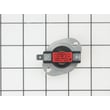
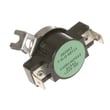
- Dryer safety thermostat WE4M160 (opens if overheating)
- Dryer high-limit thermostat WE4M137 (protects against high temps)
- Dryer operating thermostat WE4M216 (regulates drum temperature)
Why it matters
An electric dryer can still run the motor with only one leg of power, so it may tumble normally while the heater stays off. Vent restrictions can also trigger overheating protection and shut heat down.
Last updated: February 2026
Where is my thermal fuse located on my GE dryer?
On the GE DJXR433EC3WW electric dryer, the overheat safety device you are looking for is mounted in the airflow path inside the cabinet, most often on the blower housing or exhaust duct. Use the wiring and component diagrams in the DJXR433EC3WW owner’s manual to identify the exact part and mounting point for your unit.
Most common locations on GE electric dryers
On GE designs like the DJXR433EC3WW, the thermal cutoff or safety thermostat is placed where it can sense hot exhaust air. Check these areas first:
- On the blower housing near the blower wheel
- On the exhaust duct/outlet inside the cabinet near the vent connection
- On or near the heater housing (some versions use a high-limit device here)
- Close to the rear panel where the internal duct routes to the vent
If you are already in the blower area, the component is typically near the blower wheel mounting area; see the dryer blower wheel WE16M15 for the blower assembly reference point.
Safe access steps before you open the dryer
Follow these steps to access internal components safely:
- Turn off the 30-amp breaker (electric dryers use 240V)
- Unplug the power cord
- Pull the dryer forward to avoid crushing the vent
- Remove the access panel required for your configuration (rear panel on many GE models)
- Keep the terminal block cover installed whenever power is connected
Thermal fuse vs thermostats (what you may actually see)
GE dryers can use a one-time thermal cutoff, a resettable thermostat, or both. The diagrams in the manual confirm which your DJXR433EC3WW uses.
| Part type | Typical look | Usual mounting area | What it does |
|---|---|---|---|
| Thermal fuse/thermal cutoff | Small, 2-wire device | Blower housing or exhaust duct | Opens on overheat (no reset) |
| High-limit thermostat | Round/oval thermostat | Heater housing | Trips at high temp, protects heater |
| Operating thermostat | Round thermostat | Duct or heater housing | Regulates normal drying temp |
Why it matters
If an overheat device opens, the dryer can stop running or run with no heat. Restoring safe airflow (lint buildup, blocked vent hood, crushed duct) prevents repeat failures.
Last updated: February 2026





