Owner’s manual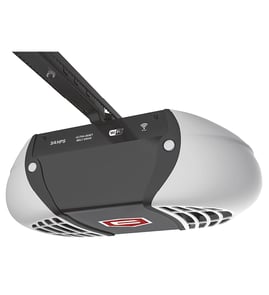

What's the average lifespan of a Genie garage door opener?
A Genie garage door opener typically lasts 10 to 15 years. For your Genie PLUS AC screw drive opener, lifespan depends most on door balance, lubrication, and correct safety-sensor setup; a smooth, properly braced door reduces strain on the motor and drive.
Typical lifespan and what affects it
Most openers wear out from mechanical load and heat, not “age” alone. These factors have the biggest impact:
- Cycles per day (more opens and closes shortens life)
- Door balance (an out-of-balance door overloads the opener)
- Hardware condition (rollers, hinges, bearings, springs)
- Lubrication (dry rollers and hinges increase resistance)
- Installation quality (proper bracing and solid mounting)
Maintenance that helps you reach the full lifespan
Your manual calls out routine checks like keeping the door properly balanced and lubricating door hardware monthly. Use the owner's manual for the exact procedure and safety notes.
- Test door balance by lifting the door to about 3 to 4 feet and confirming it stays in place
- Lubricate rollers, bearings, and hinges with silicone lubricant or light oil
- Keep the opener’s emergency release for emergencies; use extra caution if the door is open
- Confirm the door is properly braced/reinforced, especially lightweight doors
- Make sure the Safe-T-Beam® sensors are mounted and aligned correctly
Quick “repair vs replace” guide
| What you notice | What it usually means | What we recommend |
|---|---|---|
| Door feels heavy by hand | Door out of balance or spring issue | Fix door balance/hardware first |
| Opener strains or stalls | Excess friction or force settings off | Lubricate, then check force/limits |
| Door reverses unexpectedly | Sensor alignment or travel/force issue | Check Safe-T-Beam® and adjustments |
| Frequent electrical oddities | Wiring, wall console, or control issue | Inspect wiring and connections |
Why it matters
A garage door that is not balanced or is poorly reinforced can shorten opener life dramatically and create unsafe operation. Keeping the door moving freely protects the screw drive, carriage, motor, and mounting points.
Last updated: February 2026
How do I sync a universal remote to my garage door opener?
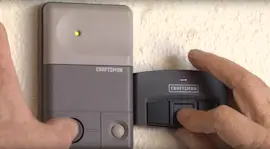
To sync a universal remote to your Genie PLUS AC screw drive garage door opener, we put the opener into “learn” mode, then press the button on the universal remote you want to use until the opener confirms it learned the code. Use the exact steps in the owner's manual for your receiver style.
Before you start
- Keep people clear of the door while programming.
- Make sure the Safe-T-Beam® safety sensors are installed and working; the opener will not close the door if the system is malfunctioning.
- Use a fresh remote battery.
- Stand at least 24 inches away from the opener’s antenna wire while programming.
- Program each remote separately (even if they are the same model).
Programming steps (typical Genie “Learn code” method)
- Locate the Learn code button and learn indicator light on the opener’s receiver (powerhead).
- Press and release the Learn code button to start programming.
- Within the programming window, press the button on the universal remote you want to control this opener.
- Watch for the opener’s confirmation (indicator light behavior or a click, depending on receiver).
- Test the remote: press the programmed button to run the opener.
If programming stops or won’t take
If the learn indicator light blinks rapidly (about 4 times per second), programming has stopped; repeat the steps above.
Helpful limits and compatibility notes
| Item | What to expect |
|---|---|
| Remote count limit | Up to 7 remotes and/or wireless keypads stored in the receiver |
| Multi-button remotes | Each button is intended for a different opener; one button per opener |
| Dual frequency system | Receiver can use 315 MHz and 390 MHz; some remotes can switch frequency |
Why it matters
Correct programming keeps your Genie PLUS opener responding reliably and helps prevent “no response” issues caused by interference, weak batteries, or programming too close to the antenna wire.
Last updated: February 2026
How do I know which garage door opener is compatible?
For a Genie PLUS screw drive garage door opener, compatibility is mainly about matching the control type (remote, wireless keypad, wall console, or safety sensors) to the opener’s exact model family and wiring style. Start by confirming the opener model and then use the owner's manual to match the correct controls and safety devices.
What to match for compatibility
Use these checks to avoid buying a control that will not program or wire in correctly:
- Brand and model family: Genie PLUS series openers use Genie-specific controls and programming steps.
- Control type: Remote control, wireless keypad, or wired wall console are not interchangeable.
- Programming method: Many openers use a learn/program button; older accessories may use different methods.
- Wiring style for wall controls: A wired wall console must match the opener’s terminal layout and features.
- Safety sensor system: Photo-eye style sensors (often called Safe-T-Beam) must match the opener’s sensor system.
Quick compatibility checklist (what to look at on the opener)
| What you check | Where to find it | Why it matters |
|---|---|---|
| Model identifier (PLUS) | Motor head label | Confirms the correct accessory family |
| Wall console wiring terminals | Motor head terminals | Prevents miswiring and non-working controls |
| Safety sensor presence/alignment | Door tracks near floor | Required for safe closing and proper operation |
| Existing remote/keypad behavior | Current accessories | Helps you choose a like-for-like replacement |
If a wall console is acting up, check compatibility first
The manual troubleshooting guidance specifically calls out non-compatible wall control as a cause of problems. If the wall console is unreliable:
- Disconnect power before touching wiring.
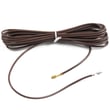
- Inspect the wall console wires for damage, loose connections, or pinched insulation.
- Temporarily disconnect the wall console and operate using a remote or wireless keypad.
- Replace the wall console with a compatible Genie control for the PLUS series.
Why it matters
Using the wrong remote, keypad, or wall console can look like a “bad opener” problem: the door may not respond, limits and force settings may seem off, or the opener may refuse to close if the safety sensor system is not correct.
Last updated: February 2026
How to program Genie garage door opener PLUS?
To program a remote to your Genie PLUS (PLUS 3060L) garage door opener, you typically put the opener into “learn/program” mode at the power head, then press the button on the remote you want to use so the opener stores that code. Use the steps and button locations shown in the owner's manual.
Before you start
- Make sure the opener has power and the opener light turns on.
- Stand on a stable ladder so you can reach the power head safely.
- Use a known-good battery in the remote.
- Keep the garage door in view while programming.
- If the wall console has a lock/vacation feature, make sure it is not preventing remote operation.
Programming steps (typical Genie “learn” process)
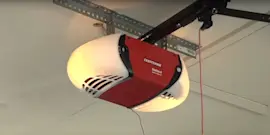
- Locate the program/learn button and indicator LED on the opener’s power head (motor unit).
- Press and release the program/learn button; the LED should indicate the opener is ready to learn.
- Within about 30 seconds, press the remote button you want to control the door.
- Confirm programming by pressing the same remote button again to run the opener.
If it will not program
- Replace the remote battery and try again.
- Move closer to the opener during programming.
- Power-cycle the opener (unplug for 30 seconds, then plug back in) and retry.
- Check for damaged or shorted wall-console wiring; wiring issues can cause unexpected behavior.
- Verify the door is properly balanced and not binding; excessive load can look like a control problem.
Quick checks table
| Symptom | Most common cause | What to do |
|---|---|---|
| LED never indicates learn mode | Wrong button or no power | Confirm power, then use the button shown in the manual |
| Programs but will not run door | Lock feature on console | Turn off lock, then test remote |
| Intermittent operation | Weak battery or interference | Replace battery, reprogram, test range |
Why it matters
Correct programming ensures the opener stores the remote’s code properly, which prevents “no response” issues and reduces the chance of unexpected operation. It also helps you confirm the wall console and wiring are working normally.
Last updated: February 2026