Installation guide
 Owner’s manual
 Error Codes



Is there a 30 wide side-by-side refrigerator?
Yes, 30-inch-wide side-by-side refrigerators exist, but the GE ZISS360DRESS is a built-in side-by-side designed around a 36-inch installation, not a 30-inch opening. For exact cutout and door-swing clearance requirements for your kitchen, use the ZISS360DRESS installation guide.
What “30-inch wide” means (and what to measure)
A “30-inch” refrigerator usually refers to the cabinet opening width or the nominal exterior width. Built-in models also need extra space for trim and door swing.
Measure these before shopping:
- Cabinet opening width (inside-to-inside of the enclosure)
- Depth (counter depth vs full depth, plus door and handle projection)
- Height (floor to top of opening, including any soffit)
- Door swing clearance to walls and adjacent cabinets
- Water line location if you want ice and water
How GE built-in side-by-sides compare by width
The Monogram-style built-in platform for this type of refrigerator is commonly offered in wider sizes than 30 inches.
| Built-in side-by-side nominal size | Typical fit/use case |
|---|---|
| 36-inch | Most common built-in side-by-side opening |
| 42-inch | Larger built-in opening and capacity |
| 48-inch | Extra-wide built-in opening and capacity |
Door swing clearance: why it matters
On built-in side-by-sides like the GE ZISS360DRESS, door swing can affect whether drawers/pans can be accessed and removed. The installation guidance calls out clearance needs for a 90° swing versus the factory 130° swing, and notes that pan removal can be restricted at 90°.
If you are trying to downsize to 30 inches
A 30-inch side-by-side is typically a freestanding format, not a 36-inch built-in. If your cabinet opening is currently built for a 36-inch built-in, plan for:
- Cabinet modifications or filler panels
- Different ventilation requirements
- Water line and electrical relocation
- Trim and panel changes (if you have custom panels)
Last updated: January 2026
What is the disadvantage of a side-by-side fridge?
A common disadvantage of a side-by-side refrigerator like the GE ZISS360DRESS is reduced usable width in each compartment; wide platters and pizza boxes often do not fit as easily as they do in French door models, and fresh-food items can be harder to see at a glance.
Common downsides you will notice day to day
- Narrower shelves in both the freezer and fresh-food sections (limits wide items).
- More bending and reaching for produce and deli items stored lower in the fresh-food side.
- Freezer organization can feel “tall and narrow,” so bulky bags stack awkwardly.
- Door storage can crowd quickly, especially with tall bottles.
- Built-in models need careful clearance planning for door swing and drawer access.
Built-in installation considerations (specific to ZISS360DRESS)
The installation guidance for this built-in platform calls out door-swing clearance and how it affects access:
| Door swing setup | Typical clearance guidance | What it affects |
|---|---|---|
| 130° door swing (factory setting) | Plan for full swing clearance | Best access to pans/drawers |
| 90° door swing | Allow about 4 inches to a wall (framed and stainless models) | Pan access maintained, but pan removal can be restricted |
For the exact door-swing and clearance details for your kitchen layout, use the installation guide.
Quick ways we reduce the “hard to access” problem
- Store everyday fresh items at eye level (deli, drinks, leftovers).
- Use clear bins to group categories (snacks, breakfast, lunch items).
- Keep the freezer side sorted by shelf: meats, vegetables, ready-to-eat.
- Avoid overpacking the door bins; it can make closing harder and reduce cooling performance.
Why it matters
Side-by-side designs trade wide shelf space for consistent vertical access to both fresh and frozen foods. In a built-in refrigerator, planning door swing and storage zones up front prevents frustration later.
Last updated: January 2026
How long does a GE Monogram refrigerator last?
A GE Monogram built-in side-by-side refrigerator like model ZISS360DRESS lasts 15 to 20 years. Regular condenser cleaning, good airflow around the grille area, and on-time water filter replacement help the refrigerator hold steady temperatures and reach the full service life.
Typical lifespan for this type of refrigerator
Built-in premium refrigerators are designed for long-term use; the biggest life-shorteners are heat buildup and restricted airflow.
- 15 to 20 years is the expected service life for a GE Monogram built-in
- Dirty condenser coils increase compressor run time and wear
- Poor ventilation at the grille traps heat and reduces efficiency
- Door seal leaks force longer cooling cycles
- Overdue filter changes can reduce water flow and ice quality
Maintenance that helps you reach 20 years
Follow the cleaning and care schedule in the ZISS360DRESS owner's manual.
- Vacuum dust from the grille and condenser area on a regular schedule
- Keep interior air vents clear so cold air circulates properly
- Replace the water filter on schedule to protect the dispenser and ice maker
- Inspect door gaskets for gaps, tears, or loose fit
- Keep temperatures set to typical targets (fresh food about 37°F, freezer about 0°F)
Common wear items you may replace over time
Many performance issues are solved by replacing a wear part instead of the whole refrigerator.
| Symptom | Likely area | Example part for this model |
|---|---|---|
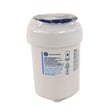
| Slow water flow or bad taste/odor | Filtration | Refrigerator water filter MWFP |
| Warm temps or temperature swings | Sensing/airflow | Temperature sensor, damper, evaporator fan |
| No ice or weak dispensing | Ice maker/water valve/dispenser | Ice maker, inlet valve, dispenser door parts |
Why it matters
Built-in Monogram units are integrated into cabinetry; keeping the condenser area clean and airflow open reduces sealed-system stress, protects food quality, and helps prevent premature compressor wear.
Last updated: January 2026