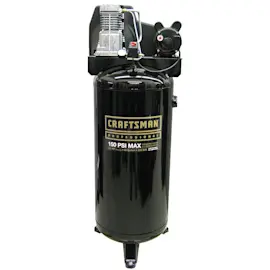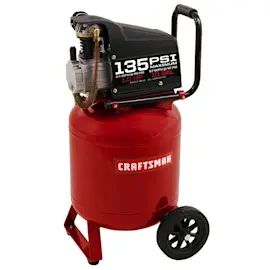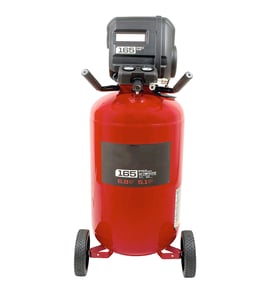

Where can I get parts for a Craftsman air compressor?
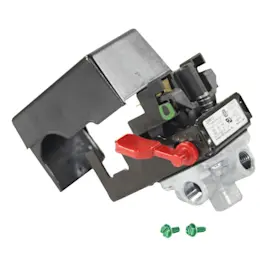
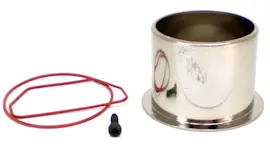
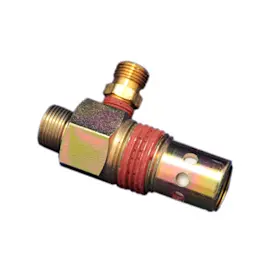
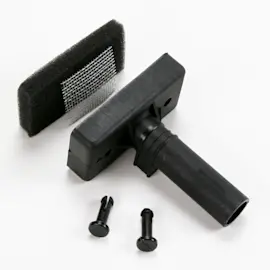
You can get replacement parts for your Craftsman air compressor by searching by model number and using the parts diagrams and parts list to match the exact component you need. For this page, start with model 28216036 (Craftsman air line regulator & gauge) and shop through Sears PartsDirect.
How to make sure you order the right part
Using the correct model number and diagram callouts prevents wrong-part returns and helps you fix air leaks, pressure regulation issues, and gauge problems faster.
- Confirm the model number on the compressor data label: 28216036
- Identify the failed area (regulator, gauge, fittings, hose connection)
- Use the diagram reference number to match the part description
- Compare your old part visually (ports, threads, mounting style)
- Order any related wear items you disturb (thread sealant, O-rings, fittings)
Common air compressor parts people look for
Even when the symptom is the same, the correct part depends on the exact configuration of your Craftsman setup.
| Symptom | Most likely part area | What you’ll notice |
|---|---|---|
| Pressure won’t adjust | Air line regulator | Knob turns but outlet pressure stays the same |
| Gauge reads wrong | Pressure gauge | Needle sticks, reads low/high, or doesn’t return to zero |
| Air leak at outlet | Fittings/quick-connect | Hissing at coupler or threads |
| Pressure drops fast | Regulator or connections | Holds tank pressure but loses outlet pressure |
Before you buy: quick checks that save time
These checks help confirm whether you need a regulator & gauge assembly part or a simple connection fix.
- Spray soapy water on fittings to pinpoint leaks
- Verify the drain valve is fully closed
- Check for cracked plastic gauge lens or bent needle
- Inspect threads for cross-threading or damaged tape/sealant
- Make sure the regulator knob is not stripped
Why it matters
Air compressor pressure control parts (like a regulator and gauge) directly affect tool performance and safety; the right replacement restores stable PSI for nailers, inflators, and other pneumatic tools.
Last updated: February 2026
Are air compressor connectors universal?
Most air compressor connectors are not truly universal; they’re “standardized” within a few common plug and coupler styles. For a Craftsman 28216036 air line regulator & gauge, you’ll get the best seal and airflow when your plug style matches your coupler style (and the same body size).
Common connector styles you’ll see
Air fittings usually vary by plug/coupler style and body size. The most common styles are:
- Industrial (Milton M-style): very common in home shops
- Automotive (Tru-Flate/T-style): common for tire inflators and some air tools
- ARO (A-style): less common, but still widely used
- High-flow: larger internal passages for higher CFM tools
What “universal” couplers really mean
Some couplers are marketed as “universal” because they accept more than one plug style (often industrial and automotive). They can be convenient, but they can also change performance.
Why performance can change
Small differences in the plug nose shape and internal valve design can affect:
- Airflow (CFM) to the tool
- Pressure drop under load (tool feels weak)
- Leak potential at the connection
- Coupler wear over time
Quick compatibility checklist (what to match)
Use this checklist when pairing connectors to your Craftsman 28216036 setup:
- Match plug style to coupler style (industrial vs automotive vs ARO)
- Match body size (commonly 1/4-inch body, sometimes 3/8-inch)
- Match thread type on the regulator/gauge side (commonly NPT)
- Use thread sealant correctly (PTFE tape or pipe dope rated for air)
- Verify the coupler is rated for your compressor’s max PSI
Typical combinations (at a glance)
| What you have | What usually works best | What often causes issues |
|---|---|---|
| Industrial plug | Industrial coupler | Automotive-only coupler |
| Automotive plug | Automotive coupler | Industrial-only coupler |
| Mixed tools | “Universal” coupler | Mismatched body sizes |
Why it matters
Connector mismatches are one of the most common causes of “my compressor has pressure but my tool is weak” complaints. A correct match helps your regulator hold steady pressure, reduces leaks, and keeps your air tools performing consistently.
For more help identifying the correct model before ordering fittings or regulator parts, use how to find your appliance model number (and what it means for parts).
Last updated: February 2026
How to tell if an air compressor regulator is bad?
A bad regulator on your Craftsman model 28216036 typically shows up as unstable outlet pressure: it will not hold the PSI you set, it creeps higher over time, or it droops sharply when you pull the trigger on an air tool. You may also notice constant hissing from the regulator body.
Quick symptoms checklist
- Pressure creep: outlet PSI slowly rises even when you do not adjust the knob
- Pressure droop: outlet PSI drops a lot when airflow demand increases (tool runs weak)
- Unresponsive adjustment: turning the knob does little or nothing to change outlet PSI
- Won’t hold a setpoint: PSI changes on its own between uses
- Air leak at the regulator: steady hissing from the knob, vent, or body
- Gauge behavior looks wrong: gauge needle jumps, sticks, or reads inconsistently
Simple test you can do in minutes
- Fill the tank to normal cut-out pressure.
- Set the regulator to a common working pressure (many air tools run around 90 PSI).
- Watch the outlet gauge for 2 to 5 minutes with no airflow.
- Pull the tool trigger (or open the outlet) and watch the outlet gauge under flow.
How to interpret what you see
| What you observe | What it usually means | What to do next |
|---|---|---|
| Outlet PSI rises by itself | Regulator is creeping | Replace regulator or rebuild if serviceable |
| Outlet PSI drops hard under use | Regulator is drooping or undersized | Check for restrictions, then replace if droop is excessive |
| PSI will not change when knob turns | Internal valve/diaphragm failure or knob mechanism issue | Replace regulator |
| Hissing from regulator body | Internal leak or damaged seals | Replace regulator; check fittings too |
Before you replace the regulator (common look-alikes)
- Confirm the tank pressure is high enough; a low tank makes outlet pressure sag.
- Check for leaks at quick-connects, hose ends, and tool fittings (soapy water works well).
- Make sure the drain valve is closed and the hose is not kinked.
- If the outlet gauge seems suspect, compare with a known-good gauge.
Why it matters
A regulator that cannot control pressure can cause poor tool performance, inconsistent nail depth or spray pattern, and unnecessary compressor cycling. Keeping stable PSI protects air tools and helps you get repeatable results.
For help identifying the correct replacement by model number, use our model lookup tips in how to find your appliance model number (and what it means for parts).
Last updated: February 2026
What is the common problem with an air compressor?
The most common problems on a Craftsman air compressor like model 28216036 are: it will not start, it will not build or hold tank pressure, or it leaks air. Most fixes start with checking power, finding leaks, and confirming the pressure control and regulator settings.
Quick checks we recommend first
- Confirm the outlet has power and the compressor switch is ON.
- Let the unit cool, then press the reset (if equipped) and try again.
- Drain moisture from the tank; water buildup can cause rust and valve issues.
- Listen for constant hissing at the drain valve, safety valve, regulator, or fittings.
- Use soapy water on threaded joints and quick-connects; bubbles pinpoint leaks.
- Verify the regulator knob is not turned all the way down (0 PSI at the outlet).
Common symptoms and what they usually mean
| Symptom | Most likely cause | What to do next |
|---|---|---|
| Will not start | No power, tripped breaker, bad cord/switch | Check outlet, breaker, cord condition; test with a multimeter |
| Runs but will not build pressure | Major leak, intake filter clogged, valve issue | Check for leaks first; inspect/clean intake filter |
| Builds pressure then bleeds down | Leak at fittings, drain valve, check valve, hose | Soap-test connections; tighten or reseal fittings |
| Outlet pressure is low but tank is full | Regulator set low or failing | Adjust regulator; if it will not hold setting, replace regulator |
A safe way to isolate a leak
- Pressurize the tank, then turn the compressor OFF.
- Watch the tank gauge for 10 to 15 minutes.
- If tank pressure drops, the leak is at the tank, drain valve, safety valve, or check valve.
- If tank pressure holds but tool pressure drops, the leak is at the regulator, coupler, hose, or tool.
Why it matters
Air leaks and incorrect pressure control make the compressor run longer, overheat more easily, and wear out seals and valves faster; they also cause poor tool performance (sputtering spray, weak nail driving).
For safe electrical testing steps during troubleshooting, use how to use a multimeter to test electrical parts video.
Last updated: February 2026
What is the most common cause of air compressor failure?
Poor maintenance is the most common cause of air compressor failure; dirty intake filtration, moisture left in the tank, oil neglect (on oil-lube pumps), and unresolved air leaks force longer run times and higher heat, which quickly wears valves, seals, and the pump. For Craftsman model 28216036 (an air line regulator and gauge), the most common “failure” is usually air leaks, clogging, or a damaged gauge, not pump or motor damage.
Most common causes (compressor vs. regulator)
- Air leaks: fittings, hose connections, drain valve, or regulator threads leak and the compressor runs too long
- Moisture corrosion: tank not drained; rust and debris damage valves and tools
- Restricted intake airflow: dirty intake filter on the compressor pump reduces output and increases heat
- Lubrication neglect (oil-lube units): low or dirty oil accelerates pump wear
- Electrical supply problems: undersized extension cord, weak outlet, or failing start components
What fails most often on a regulator and gauge (model 28216036)
- Leaking regulator body or fittings (hissing at the regulator)
- Regulator won’t adjust smoothly (internal contamination or wear)
- Gauge reads wrong or sticks (impact damage or internal failure)
Quick checks we recommend
- Leak test: spray soapy water on fittings, regulator threads, and quick-connects; bubbles confirm a leak.
- Drain moisture: open the tank drain after use until water stops.
- Verify pressure behavior: note cut-in/cut-out cycling; rapid cycling usually points to leaks.
- Check electrical basics: confirm a solid outlet and avoid long, light-gauge extension cords.
Symptom-to-cause guide
| Symptom | Most likely cause | Best next step |
|---|---|---|
| Compressor runs constantly | System leak or demand too high | Find leaks with soapy water; reduce air use |
| Pressure at tool is low but tank is full | Regulator issue or restriction | Bypass/inspect regulator; check couplers |
| Water spits from tool | Moisture in tank/lines | Drain tank; add moisture control |
| Gauge doesn’t move or is inaccurate | Failed gauge | Replace gauge/regulator assembly |
Why it matters
Leaks and moisture make the compressor cycle longer and hotter, which is what turns small issues into pump and valve damage. Keeping the air system sealed and dry prevents most failures.
For safe electrical testing basics, use how to use a multimeter to test electrical parts video.
Last updated: February 2026