Owner’s manual
 Error Codes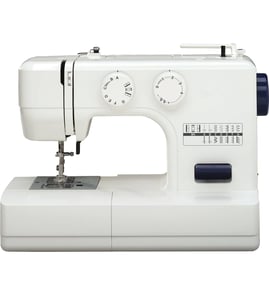

How old is a Kenmore 3851278180 sewing machine?
The Kenmore sewing machine model 3851278180 is part of the long-running Kenmore 385 series, which spans multiple production eras. The most accurate way to date your specific machine is by using its serial number and the identification details shown in the owner's manual.
How to estimate the age using your machine’s ID plate
Your model and serial number are printed on the machine’s nomenclature plate. Once you have the serial number, you can narrow down the production period much more accurately.
- Unplug the sewing machine before handling covers or moving it.
- Locate the nomenclature plate (the manual shows where it’s positioned).
- Write down the full model number (3851278180) and the full serial number.
- Keep the numbers with your records for future parts lookups and service.
- If your machine is mounted in a cabinet, check the machine body itself, not the cabinet.
What the manual tells us about this model family
The documentation for this machine identifies it as a center needle, low bar sewing machine, and it references accessories used across multiple 385 sub-models. That combination is common on many Kenmore mechanical zigzag machines produced across a wide span of years.
Quick reference: what you can confirm from the manual
| Item | What to look for | Why it helps |
|---|---|---|
| Model number | 3851278180 | Confirms the exact variant |
| Serial number | On the nomenclature plate | Best clue for production run |
| Machine type | Center needle, low bar | Helps match accessories and parts |
Why it matters
Knowing the approximate age helps you choose compatible needles, bobbins, and accessories, and it also helps when troubleshooting issues like sluggish running, fabric not moving, or the machine locking up. For model-family troubleshooting references, we recommend using Kenmore 385 error codes when applicable.
Last updated: February 2026
What is the most common problem of the sewing machine?
The most common sewing machine problem is thread trouble, especially upper thread breaking, bunching, or skipped stitches caused by incorrect threading, wrong needle size, or tension that is set too tight. On the Kenmore 3851278180, these issues are usually corrected with rethreading, a fresh needle, and basic tension checks.
Quick fixes we recommend first
- Turn the machine off, then rethread the upper thread path exactly as shown in the owner's manual.
- Install a new, straight needle; match needle size to your fabric and thread.
- Set upper thread tension back to a normal range, then fine-tune (too tight commonly breaks upper thread).
- Pull both upper and bobbin threads under and behind the presser foot about 4 inches before starting.
- Start sewing at a medium speed; sewing too fast can snap thread.
- Do not pull or push fabric; guide it gently so the needle does not deflect.
What the symptom usually points to
| Symptom | Most likely cause | What to do next |
|---|---|---|
| Upper thread breaks | Tight upper tension, improper threading, needle issue | Rethread, loosen tension, replace needle |
| Skipped stitches | Bent/blunt needle, incorrect needle setting, tension too tight | Replace needle, reset needle, loosen tension |
| Thread bunching (birdnesting) | Threads not positioned before starting, tension mismatch | Pull threads back, reset tension |
| Puckering | Incorrect tension, needle/thread mismatch | Reset tension, match needle and thread |
Why it matters
Thread breakage and skipped stitches are usually setup problems, not major mechanical failures. Fixing threading, needle condition, and tension early prevents needle breaks, fabric damage, and burrs on the needle plate or shuttle that can create repeat thread failures.
When to go deeper
If the problem returns right away after rethreading and a new needle, use the troubleshooting chart in the owner's manual and check common symptom paths like sewing machine skipping stitches or sewing machine bobbin thread breaks to pinpoint the next best repair step.
Last updated: February 2026
Where is the sewing parts online store?
We sell replacement parts for the Kenmore 3851278180 mechanical sewing machine through our online parts catalog; use your model number to match the correct components and diagrams, then confirm setup and maintenance details in the owner's manual.
How to find the right sewing machine parts online
- Search by model number 3851278180 to avoid ordering the wrong item.
- Use the parts diagrams to identify the exact part name and location.
- Compare what you see on your machine (spool pin, presser foot lever, shuttle cover, needle plate) to the diagram callouts.
- Keep your model and serial number handy; the manual notes they’re on the nomenclature plate.
- If you’re unsure which part is failing, start with symptoms (fabric not moving, machine locks up, motor won’t run) before ordering.
Quick checklist before you order
Many “needs a part” issues are actually setup or maintenance problems on a mechanical Kenmore machine.
| What you notice | Common cause | What to do first |
|---|---|---|
| Machine runs sluggish or knocks | Needs oiling | Oil the points shown in the manual; use 1 to 2 drops and wipe excess |
| Fabric not feeding | Feed dogs packed with lint | Clean the feed dogs and needle plate area |
| Needle won’t move or machine locks | Thread jam in shuttle area | Open the shuttle cover and clear debris, then rethread |
Why it matters
Ordering by model number and checking the manual first saves time and prevents repeat problems. For example, the manual recommends oiling at least yearly (and about every three months with frequent use) to prevent sluggish operation and loud knocking.
Last updated: February 2026
Is it worth repairing an old sewing machine?
Yes; a Kenmore mechanical sewing machine like model 3851278180 is worth repairing when the issue is mechanical or maintenance-related (threading, tension, cleaning, oiling, minor adjustments). If the total repair estimate is more than 50% to 60% of a comparable replacement machine, replacement usually makes more sense.
Quick decision checklist
- Repair when it stitches well after cleaning, oiling, and a basic tune-up.
- Repair when the problem is tension, timing adjustment, feed system cleaning, or lubrication.
- Repair when you want to keep using your current presser feet and accessories.
- Replace when repeated electrical failures (motor, wiring, switch, speed control) drive up labor and parts cost.
- Replace when the machine has major damage plus a high estimate.
Cost vs. benefit guide
| What you’re seeing | Start with | Why it matters |
|---|---|---|
| Skipping stitches, thread breaking, poor tension | Setup and maintenance | Often caused by threading, needle condition, lint, or tension settings |
| Fabric not feeding | Cleaning and adjustment | Feed dogs and presser foot area commonly get packed with lint |
| Motor won’t run or runs intermittently | Get an estimate | Electrical parts and labor can exceed the machine’s value |
Basics to try before paying for service
- Unplug the machine before inspecting or cleaning moving parts.
- Rethread the upper path and bobbin exactly as shown in the 3851278180 owner's manual.
- Install a new, straight needle (bent needles cause jams and stitch problems).
- Clean lint from the bobbin area, feed dogs, and under the needle plate.
- Oil only the points and method the manual specifies; excess oil attracts lint.
Helpful DIY troubleshooting
- For binding or a stuck handwheel: use sewing machine locks up.
- For feeding problems: use sewing machine fabric not moving.
Why it matters
Most “broken” older mechanical machines are actually out of adjustment or overdue for cleaning and lubrication; fixing those restores stitch quality and prevents avoidable wear.
Last updated: February 2026
Is Kenmore sewing machine 3851278180 low shank?
Kenmore sewing machine model 3851278180 is a low bar (low-shank) machine. The manual identifies it as a “center needle, low bar” model, so you should use low-shank presser feet and attachments for proper fit and stitch clearance; see the owner's manual.
What “low shank” means for model 3851278180
“Low shank” (also called low bar) describes the presser bar height and the way the presser foot mounts. On a low-shank Kenmore, most common household feet are available in both snap-on and screw-on versions.
Typical low-shank accessories that match this style include:
- Standard zigzag presser foot
- Zipper foot
- Buttonhole foot
- Blind hem foot
- Low-shank even-feed walking foot
Quick fit checks before buying a presser foot
Use these checks to avoid ordering the wrong attachment for your Kenmore 3851278180:
- Shank height: choose low shank / low bar
- Mount type: confirm snap-on vs screw-on at the presser foot holder
- Needle path: this is a center-needle machine; confirm the foot supports center-needle zigzag
- Clearance: hand-turn the handwheel to ensure the needle clears the foot opening and needle plate
Low shank vs high shank (comparison)
| Item to check | Low shank (3851278180) | High shank |
|---|---|---|
| Common label | “Low shank” or “low bar” | “High shank” |
| Typical household use | Most home zigzag machines | Some specialty or older designs |
| What happens if wrong | Poor fit, needle strikes | Poor fit, feeding issues |
Why it matters
Using the correct shank height keeps the presser foot aligned with the feed dogs and needle path. The wrong shank can cause skipped stitches, fabric not feeding evenly, or broken needles.
If you are diagnosing stitch or feed problems after changing feet, use our sewing machine fabric not moving guide.
Last updated: February 2026