Owner’s manual
 Error Codes




What is the capacity of the LG wt1201cw?
The LG WT1201CW top-load washer has a 4.5 cu. ft. capacity, which is a common large-capacity size for handling bulky items like comforters and larger mixed loads. For cycle-specific load guidance, we recommend checking the WT1201CW owner's manual.
Quick capacity guide (what 4.5 cu. ft. means)
- Handles larger everyday loads with fewer cycles
- Fits bulky items (bedding, towels, jeans) more comfortably than smaller tubs
- Helps reduce overloading, which improves cleaning and spin performance
- Works best when you load loosely and keep items below the top of the tub ring
How to load for best results
Overfilling can cause poor cleaning, out-of-balance spinning, and longer cycle times.
- Place items evenly around the washplate (do not pack them down)
- Mix large and small items to balance the load
- Use the correct water level or auto-sensing setting for the cycle
- If the washer shakes or shows an unbalance condition, pause and redistribute
Typical load examples (general guidance)
| Load type | Typical fit in a 4.5 cu. ft. top-load washer | Notes |
|---|---|---|
| Bath towels | Large load | Avoid packing tightly |
| Queen comforter | Often fits | Use bedding cycle if available |
| Jeans | Medium to large load | Mix with lighter items |
Why it matters
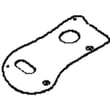
Matching load size to the WT1201CW capacity helps the washer agitate and spin correctly, which protects key components like the washer washplate AGZ72909711 and reduces vibration issues.
Last updated: February 2026
Can you replace the drain hose on an LG washer?
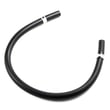
Yes. You can replace the drain hose on an LG WT1201CW washer, and it is a common DIY repair if you’re comfortable removing panels and working with hose clamps. We recommend following the step-by-step disassembly and routing details in the WT1201CW owner’s manual to avoid leaks and pinched hoses.
What the job typically involves
- Unplug the washer and shut off both water supply valves.
- Pull the washer forward and protect the floor from spills.
- Access the internal hose routing (often through the rear and or bottom area on top-load designs).
- Release hose clamps, remove the old hose, and install the new hose with clamps fully seated.
- Route the hose exactly like the original so it does not rub the tub or get kinked.
Quick safety and leak-prevention checklist
- Keep a shallow pan and towels ready; residual water will drain out.
- Take photos before removing anything so you can match the original routing.
- Replace any distorted spring clamps; weak clamps are a common cause of repeat leaks.
- Confirm the drain hose is not pushed too far down the standpipe (helps prevent siphoning).
- Run a rinse and spin cycle and watch for drips at every connection.
Common symptoms that point to a drain hose problem
| Symptom | Most likely cause | What to check first |
|---|---|---|
| Water on floor during drain/spin | Split hose or loose clamp | Hose end at pump and outlet connection |
| Slow drain or gurgling | Kinked or crushed hose | Hose routing behind the washer |
| Intermittent leak | Hose rubbing cabinet or tub | Wear marks along hose length |
Why it matters
A damaged or misrouted drain hose can cause leaks, siphoning, and poor draining. Correct routing and tight clamps protect the drain pump, reduce vibration-related wear, and help the washer complete cycles normally.
Last updated: February 2026
What is the average lifespan of an LG washing machine?
Most LG washing machines, including the LG WT1201CW top-load washer, typically last 10 to 15 years with normal household use. Consistent cleaning, correct loading, and fixing small problems early are the biggest factors that keep the motor, drain system, and suspension working longer.
Typical lifespan and what changes it
A washer’s life is mostly determined by how hard it works and how well it is maintained.
- Loads per week: more cycles equals more wear on the drive system and bearings
- Overloading: increases strain on the tub support and suspension
- Water quality: hard water can speed up buildup and odor issues
- Drain performance: slow draining makes the pump work harder
- Leveling: an unlevel washer increases vibration and component fatigue
For model-specific care and cleaning steps, follow the WT1201CW owner's manual.
Quick expectations by usage
| Household usage pattern | Typical lifespan | What to focus on |
|---|---|---|
| Light (1 to 3 loads/week) | 12 to 15 years | Keep it clean, run periodic maintenance cycles |
| Average (4 to 7 loads/week) | 10 to 13 years | Avoid overloading, keep it level |
| Heavy (8+ loads/week) | 8 to 12 years | Reduce load size, address vibration and draining fast |
Signs your washer is nearing end of life
These symptoms often point to wear in high-stress systems (wash action, spin, drain, and balance).
- Loud grinding or rumbling during spin
- Frequent out-of-balance events or walking
- Slow draining or repeated drain errors
- Weak agitation or poor cleaning results
- Intermittent power, controls, or cycle failures
If you are chasing vibration or balance problems, the wash system parts that commonly wear include the washer washplate AGZ72909711 and the balance assembly AAJ72909602.
Why it matters
Knowing the expected 10 to 15 year lifespan helps you decide whether to maintain, repair, or replace. A simple fix (like restoring proper wash action or correcting balance) can extend the useful life of the WT1201CW and improve cleaning performance.
Last updated: February 2026
What is the most common problem with LG washers?
The most common problems we see with LG washers (including model WT1201CW) are drain and spin complaints: the washer will not drain, drains slowly, or stops with an out-of-balance condition. These issues are usually caused by a restriction, a failing drain component, or load and leveling problems; see the WT1201CW owner's manual for model-specific checks.
Most common symptoms and what they usually mean
- Won’t drain or drains slowly: drain pump issue, blockage in the drain path, or a kinked drain hose
- Shakes or bangs during spin: unbalanced load, washer not level, or worn suspension components
- Won’t fill or fills incorrectly: water supply problem, inlet valve issue, or water-level sensing problem
- Stops mid-cycle: lid switch or control sensing a fault condition
- Leaves clothes too wet: spin interruption from imbalance or a drain problem
Quick checks we recommend first (fast, no parts)
- Confirm the washer is level and sitting firmly on the floor.
- Redistribute the load; wash bulky items with similar items to balance the basket.
- Verify hot and cold supply valves are fully open and inlet screens are not clogged.
- Check the drain hose for kinks, crushing, or an overly deep standpipe insertion.
- Run a rinse and spin cycle with an empty tub to see if the symptom repeats.
Parts that commonly solve these problems on WT1201CW
If basic checks do not fix it, these model-matched parts are frequent culprits:
| Problem you notice | Common part to inspect/replace | What it affects |
|---|---|---|
| Won’t drain, humming, or slow drain | Kenmore elite washer drain pump 4681EA1007A | Pumps water out of the tub |
| Overfills, underfills, or water level seems wrong | LG washer water-level pressure switch 6501EA1001R | Senses water level for fill and agitation |
| Won’t fill or fills slowly | LG washer water inlet valve AJU75152601 | Controls water entering the washer |
Why it matters
Drain and balance problems can stop the cycle to protect the motor and prevent overflow. Fixing the root cause improves cleaning results, reduces vibration, and helps prevent repeat shutdowns.
For error-code driven issues, we use the same troubleshooting flow as in LG top load washer ue and ue error codes and the LG top load washer error codes guide.
Last updated: February 2026
How much does it cost to replace a rubber seal on an LG washing machine?
For an LG washer, replacing a rubber seal (door boot or tub seal, depending on design) typically runs about $150 to $300 total with professional service; the part is commonly $50 to $150 and labor is often $100 to $200. For LG model WT1201CW (a top-load washer), the “rubber seal” is usually a tub-related seal rather than a front door gasket; confirm the exact part in the WT1201CW owner's manual.
What changes the price the most
- Washer type: front-load door boot gasket vs. top-load tub seal
- Leak location: water at the front, under the tub, or at the pump area
- Access difficulty: some seals require removing the washplate, tub ring, or inner basket
- Extra parts needed: clamps, hub nut, or related hardware
- DIY vs. pro: DIY saves labor but takes more time and tools
Typical cost ranges (parts and labor)
| Scenario | Typical parts cost | Typical labor cost | Typical total |
|---|---|---|---|
| DIY replacement (you install) | $50 to $150 | $0 | $50 to $150 |
| Professional replacement | $50 to $150 | $100 to $200 | $150 to $300 |
| Seal job plus related wear parts | $75 to $250 | $150 to $300 | $225 to $550 |
How we recommend confirming which “rubber seal” you need on WT1201CW
- Check the leak pattern (front edge, center under washer, or rear hose area).
- Review the exploded views and part names in the WT1201CW owner's manual.
- If you’re removing the washplate to reach a seal, inspect the washplate and cap for damage or stripping.
Related parts that are commonly handled during top-load tub access:
- Washer washplate AGZ72909711 (if the washplate is cracked, warped, or seized)
- Washer hub nut 4020FA4208J (if the nut is damaged or won’t torque correctly)
Why it matters
A leaking seal can lead to water damage, corrosion, and bearing or drive issues. Fixing the correct seal early usually prevents a much larger repair involving the spin basket, drive shaft, or motor components.
Last updated: February 2026
What are the disadvantages of an LG top load washing machine?
LG top-load washers like model WT1201CW are convenient and fast, but the common disadvantages are more vibration and noise with uneven loads, less water and detergent efficiency than many front-loaders, and more wear on fabrics when loads are packed or cycles are misused. See the WT1201CW owner's manual for cycle and loading guidance.
Common disadvantages (what owners notice most)
- Unbalanced loads: Bulky items and small mixed loads can shift, causing banging, walking, or spin interruptions.
- Less efficient cleaning on some cycles: Many top-load designs use less tumbling action than front-loaders, so heavily soiled items may need pretreating.
- Potentially rougher on fabrics: Overloading or using the wrong cycle can increase friction and pilling.
- More vibration sensitivity: A slightly unlevel floor or weak suspension can amplify shaking.
- More electronic complexity: Sensors and control boards can create “no spin/no drain” symptoms when a single component drifts out of spec.
Quick ways to reduce the downsides
- Load items loosely and evenly around the washplate; avoid packing clothes down.
- Wash single bulky items (comforters, bath mats) with 2 to 3 similar items to balance.
- Level the washer and confirm all feet are firmly on the floor.
- Use the correct detergent type and measure carefully; excess suds can affect draining and spinning.
- If you see frequent imbalance during spin, follow the steps in LG top load washer ue and ue error codes.
Parts that commonly relate to these symptoms
| Symptom | What it often points to | Example part for WT1201CW |
|---|---|---|
| Won’t fill or fills slowly | Water supply restriction or valve issue | LG washer water inlet valve AJU75152601 |
| Won’t drain or drains slowly | Drain pump issue or blockage | Kenmore elite washer drain pump 4681EA1007A |
| Repeated off-balance during spin | Suspension wear or load habits | (Check suspension components and leveling) |
Why it matters
Most “disadvantages” are really performance tradeoffs: top-load washers prioritize easy loading and shorter cycles, but they demand better load balance and setup. Correct loading and leveling reduces noise, improves spin performance, and helps protect clothing.
Last updated: February 2026