Owner’s manual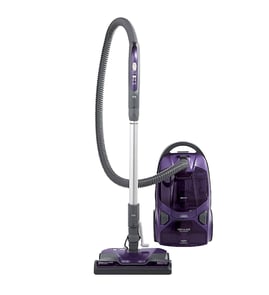



What are the disadvantages of a canister vacuum?
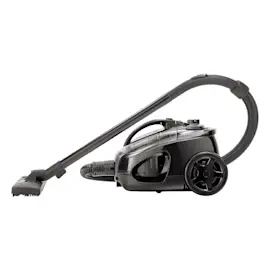
Canister vacuums (including the Kenmore 11621614014) clean very well, but the tradeoffs are storage and handling: you manage a separate canister plus a hose and wand, and you often pull the canister behind you, which can snag, tip, or bump furniture. For model-specific use and care details, use the 11621614014 owner's manual.
Common disadvantages (what owners notice most)
- Bulkier to store: the canister body, hose, wand, and power nozzle take more space than many uprights.
- More to maneuver: you pull the canister; it can catch on corners, thresholds, or thick carpet.
- More setup for quick jobs: switching from floor to tools can feel slower than a grab-and-go upright.
- More connection points: hose, wand, and nozzle joints can loosen over time and reduce airflow.
- Bending and pulling: frequent reaching, dragging, and tool changes can cause fatigue during long cleanups.
- Bag and filter upkeep (on many canisters): ongoing cost and performance drops when bags or filters load up.
Quick comparison: canister vs. upright
| Feature | Canister vacuum | Upright vacuum |
|---|---|---|
| Storage footprint | Larger, multiple pieces | Often simpler, one-piece |
| Handling | Pull canister, steer wand/nozzle | Push and steer one unit |
| Above-floor cleaning | Usually excellent with tools | Varies by model |
| Quick pickups | Often slower to set up | Often faster |
Why it matters
Most “canister vacuum problems” customers report are really usability issues: storage space, snagging while you pull the canister, and suction loss from a full bag, clogged hose, or dirty filters. Keeping airflow clear and connections tight helps your Kenmore vacuum maintain strong suction.
Tips to reduce the downsides
- Park the canister behind you (not beside you) to reduce tip-overs.
- Keep the hose as straight as possible to maintain airflow.
- Empty/replace the bag before it is packed full.
- Clean or replace filters on schedule.
- Check the floor nozzle for hair wrap and clogs.
- Use the right tool for the surface to avoid extra passes.
For more troubleshooting and maintenance ideas, see vacuum repair-guides landing page.
Last updated: February 2026
Where to find model number on Kenmore canister vacuum?
On the Kenmore canister vacuum model 11621614014, the model number is printed on the model and serial number plate (a small rating label) on the vacuum body. We use that exact model number to match the correct parts, attachments, and repair instructions.
Most common places to check
Look for a sticker or metal plate in one of these spots:
- Bottom of the canister (flip the canister over and check near the wheels)
- Back or side of the canister housing near the cord rewind area
- Under the bag door or behind the bag cover (inside the bag compartment)
- Near the hose connection port where the hose plugs into the canister
- On the power nozzle (some Kenmore units also label the nozzle separately)
If you find multiple numbers, use the full model number (all digits) from the rating plate.
What the label looks like
The rating plate usually includes both a model number and a serial number.
| Label item | What it’s used for | Example for this vacuum |
|---|---|---|
| Model number | Identifies the exact vacuum design for parts lookup | 11621614014 |
| Serial number | Identifies the production run/date | Varies by unit |
Why it matters
Kenmore canister vacuums often have similar-looking canisters and power heads, but belts, brush rolls, filters, hoses, and switches can differ by model. Using 11621614014 prevents ordering the wrong vacuum parts and speeds up troubleshooting.
If the label is missing or unreadable
- Check for a faded outline of the sticker and use a flashlight at an angle
- Wipe dust off with a slightly damp cloth (do not soak the label)
- Look inside the bag compartment for a second label
- Use the vacuum’s paperwork and confirm against the label when possible
For model-specific diagrams and identification help, use the 11621614014 owner’s manual.
Last updated: February 2026
What are the parts of the vacuum?
For the Kenmore canister vacuum model 11621614014, the main parts include the canister (motor and filtration), the hose and wand for airflow, and the floor nozzle or power head for carpet cleaning. Wear items like filters, belts, and brush rolls need replacement most often; see the 11621614014 owner's manual for your exact configuration.
Main vacuum assemblies (what each one does)
- Canister housing: holds the suction motor, controls, and often the bag or dust compartment
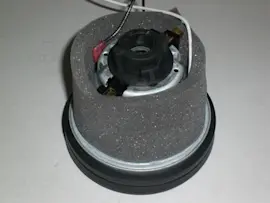
- Suction motor and fan: creates airflow that lifts dirt
- Filtration system: pre-filter and exhaust filter (often HEPA-style on many canisters)
- Hose: carries airflow and debris from the nozzle to the canister
- Wand (telescoping or fixed): extends reach and connects tools
- Floor nozzle or power head: cleans floors; power heads add a brush roll for carpet
Common wear-and-tear parts to check first
- Filters (clogged filters reduce suction)
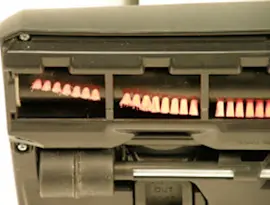
- Brush roll or beater bar (hair and thread buildup stops agitation)
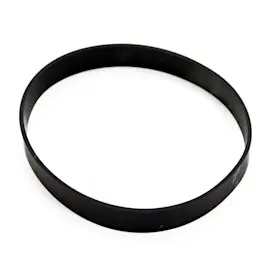
- Drive belt (stretched or broken belt stops brush roll)
- Hose and wand seals (air leaks reduce pickup)
- Power cord and cord reel (intermittent power or no power)
Quick “what’s where” reference
| Area | Typical parts found there | Common symptom when failing |
|---|---|---|
| Canister | motor, bag/dust bin, filters | low suction, overheating, bad odor |
| Hose/wand | hose cuff, wiring (on powered models), seals | weak suction, no power at nozzle |
| Power head/nozzle | brush roll, belt, height adjuster | brush not spinning, poor carpet pickup |
Why it matters
Knowing the assemblies helps you troubleshoot faster: most “no suction” issues come from airflow restrictions (bag, filters, clogs), while “won’t clean carpet” problems usually trace to the power head, belt, or brush roll. For step-by-step repair help, use vacuum repair-guides landing page.
Last updated: February 2026
What is the best canister vacuum on the market today?
The “best” canister vacuum depends on your floors, allergies, and budget; for most homes, we see top overall results from premium bagged canisters with sealed HEPA filtration, while strong mid-priced picks focus on easy handling and solid suction. Use your Kenmore 11621614014 features as a baseline when comparing. See the 11621614014 owner's manual for your vacuum’s original configuration and maintenance specs.
How we recommend choosing the best canister vacuum
- Filtration: sealed system plus HEPA is best for allergies and fine dust.
- Flooring mix: look for a power nozzle for carpet, and a hard-floor tool for tile and wood.
- Bagged vs. bagless: bagged is cleaner to empty; bagless saves on bags but needs more filter care.
- Weight and maneuverability: canister weight matters on stairs; swivel hose and smooth casters help.
- Noise and cord length: longer cord and quieter motor improve day-to-day use.
Quick comparison: what “best” usually means
| Need | What to prioritize | Typical best-fit canister type |
|---|---|---|
| Allergies | Sealed HEPA, tight gaskets, quality bags | Premium bagged HEPA canister |
| Pets | Power nozzle, strong agitation, easy hair removal | Bagged or bagless with powered brush |
| Hard floors | Soft brush, suction control, rubber wheels | Compact canister with parquet tool |
| Budget | Basic suction, simple tools, low upkeep cost | Entry-level bagged canister |
Brand and model families customers compare most
These are common “top of market” comparisons; the right choice still comes down to your home:
- Miele bagged canisters (often chosen for filtration and build quality)
- Dyson canister designs (often chosen for strong suction and bagless convenience)
- Bissell and Eureka (often chosen for value and lighter-duty cleaning)
Why it matters
A canister vacuum that matches your flooring and filtration needs cleans faster, clogs less, and keeps suction steadier. If your current Kenmore canister is losing performance, many “upgrade” problems are actually maintenance issues; our tips for caring for a vacuum cleaner guide helps you restore suction and airflow before you replace the vacuum.
Last updated: February 2026
How long do Kenmore canister vacuums last?
Most Kenmore canister vacuums last 8 to 12 years with normal home use and basic maintenance. For your Kenmore 11621614014, lifespan depends most on airflow (filters, clogs), brush roll and belt condition, and how often the motor is run with restrictions; see the 11621614014 owner's manual for the maintenance schedule.
Typical lifespan (what to expect)
In real-world use, we see these ranges most often:
- 8 to 12 years: typical lifespan for a well-maintained canister vacuum
- 5 to 7 years: heavy use, frequent clogs, or infrequent filter changes
- 12+ years: light use, clean filters, clear hoses, and timely belt and brush roll care
| Usage pattern | What usually wears first | What extends life most |
|---|---|---|
| Weekly whole-home cleaning | Brush roll, belt, filters | Keep airflow open; replace worn belt promptly |
| Pet hair and carpet-heavy | Brush roll, clogs in wand/hose | Clean brush roll often; clear blockages early |
| Mostly hard floors | Filters, hose seals | Keep filters clean; avoid picking up fine dust without proper filtration |
Maintenance that adds years
These habits prevent overheating and loss of suction (the two biggest vacuum killers):
- Empty the bag or bin before it is packed full
- Clean or replace filters on schedule (pre-motor and exhaust/HEPA if equipped)
- Check the hose, wand, and power nozzle for clogs when suction drops
- Remove hair and string from the brush roll after carpet cleaning
- Replace a stretched, glazed, or slipping belt (burnt rubber smell is a common clue)
Quick checks when performance drops
Use this order to pinpoint the issue fast:
- Suction at the canister inlet (strong or weak)
- Hose and wand (blockage, cracked hose, loose connections)
- Filters (dirty filters restrict airflow)
- Power nozzle (brush roll not spinning, belt slipping)
For step-by-step repair paths, use our vacuum repair-guides landing page.
Why it matters
A canister vacuum motor relies on moving air for cooling. When filters are clogged or a hose is blocked, the motor runs hotter and wears out faster, even if the vacuum still “sounds normal.”
Last updated: February 2026
Who makes Kenmore canister vacuum cleaners?
Kenmore canister vacuums (including model 11621614014) are sold under the Kenmore brand, but Kenmore typically uses contract manufacturers to build the machines rather than operating its own vacuum factory. The exact maker can vary by model and production run; we use the 11621614014 owner's manual to confirm the manufacturer details for your specific unit.
How to identify the actual manufacturer for your Kenmore canister vacuum
Check these locations on the vacuum and compare them to the manual:
- The rating label on the canister (often near the cord rewind or bottom plate)
- The model and serial tag (sometimes under the bag door or on the underside)
- Any “manufactured for” or “imported by” line on the label
- The electrical rating plate on the power nozzle (if equipped)
- The parts diagrams and brand markings on major assemblies (hose, wand, power head)
What you will typically see on the label
Most Kenmore floor care products list Kenmore as the brand and then include a separate line that indicates who manufactured or distributed the vacuum.
| Where you look | What it tells you | Why it helps |
|---|---|---|
| Model/serial label | Brand plus manufacturer or distributor line | Best single source for “who made it” |
| Owner’s manual | Company name and service contact info | Confirms the official manufacturer/distributor |
| Power nozzle label | Maker of the nozzle assembly | Helps when ordering belts, brush roll, or motor parts |
Why it matters when ordering parts or troubleshooting
Knowing the manufacturer helps match the correct bag type, filters, hose, wand, and power nozzle drive system (belt style and brush roll design). It also helps when diagnosing common symptoms like low suction, brush roll not spinning, or a vacuum that will not turn on.
Related DIY help we use for common repairs
Last updated: February 2026