 Owner’s manual


What is the capacity of the GTW330ASK0WW?
The GE GTW330ASK0WW top-load washer has a 3.8 cu. ft. wash basket capacity, which is a common mid-size capacity for handling everyday loads like towels, jeans, and mixed laundry. For cycle-specific loading guidance, use the GTW330ASK0WW owner's manual.
What 3.8 cu. ft. means for real-world loads
A 3.8 cu. ft. washer is designed for typical household laundry without needing oversized cycles every time.
- Handles most day-to-day loads in one cycle
- Works well for towels, sheets, and mixed clothing loads
- Bulky items (comforters, heavy blankets) may need careful loading to keep the tub balanced
- Overloading can reduce cleaning performance and increase vibration
Quick capacity guide
Use this as a practical reference when deciding load size.
| Load type | Typical fit in 3.8 cu. ft. | Tip |
|---|---|---|
| Everyday mixed load | Yes | Fill loosely; do not pack items down |
| Bath towels | Yes | Mix sizes to improve agitation |
| Queen comforter | Sometimes | Load evenly; stop if the tub struggles to balance |
| Heavy blankets | Sometimes | Use a bulky/bedding cycle if available |
Why it matters
Capacity affects cleaning, rinse performance, and spin balance. When we load the GTW330ASK0WW correctly, the agitator can move items freely, the washer can drain and spin efficiently, and parts like the suspension and drive system experience less strain.
Helpful related info
If the washer displays an error or behaves oddly during fill, drain, or spin, use the GE gtw top load washer error codes reference to match symptoms to likely causes.
Last updated: February 2026
How much does it cost to replace a gasket on a GE washing machine?
On a GE washer like model GTW330ASK0WW, gasket replacement cost is usually the price of the gasket plus labor. Most washer gaskets run about $20 to $50 for the part; professional labor commonly adds $150 to $300+, depending on access and what has to be disassembled.
What changes the total cost
- Washer type and gasket location: A door boot on a front-load washer typically costs more to replace than a simple tub or hose seal.
- Leak source accuracy: A drip from the pump or drain hose can look like a “gasket” leak.
- Labor time: More teardown (top panel, basket, or tub) increases labor.
- Extra parts: Clamps, hoses, or a lid lock issue found during service can add cost.
- DIY vs. pro repair: DIY usually saves labor but requires tools and careful reassembly.
Quick checks before you buy a gasket
- Look for water trails under the washer and trace upward with a flashlight.
- Check the drain path first: pump, hose, and connections.
- Run a small fill and watch for leaks during fill, agitate, and drain.
- Use the diagrams and procedures in the GTW330ASK0WW owner’s manual to confirm access steps and safety guidance.
Common leak parts on this model (often mistaken for a gasket)
| Symptom | Most likely area | Example part for GTW330ASK0WW |
|---|---|---|
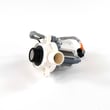
| Leaks mainly during drain/spin | Drain pump or drain hose | Washer drain pump assembly WH23X28418 |
| Leaks during fill | Water inlet valve or hoses | Washer water inlet valve assembly (check parts list) |
| Tub bangs, water splashes out | Suspension/leveling issue | Washer suspension rod kit (check parts list) |
Why it matters
Replacing the wrong “gasket” wastes time and money. Pinpointing whether the leak happens during fill, wash, or drain helps us match the failure to the right component (seal, hose, pump, or valve) and keeps the repair cost predictable.
Last updated: February 2026
How do I clean the drain pump filter on a GE top load washer?
On the GE GTW330ASK0WW top-load washer, the drain pump typically does not have a routine, user-cleanable “filter” like many front-load washers; we focus on safely clearing drain restrictions (hose, pump inlet) and running a cleaning cycle to reduce buildup. Use the GTW330ASK0WW owner's manual for the model’s exact cleaning and access guidance.
Safe steps to clear a drain restriction
- Unplug the washer (or switch off the breaker).
- Turn off both water supply valves.
- Bail out water if the tub is full (use a cup and bucket) to reduce spills.
- Check the standpipe and the end of the drain hose for lint or a sock.
- Inspect the drain hose for kinks, crushing, or a clogged air gap.
- If the washer still will not drain, inspect the pump inlet for debris; the pump itself may need service.
When the drain pump needs hands-on cleaning or replacement
If you find debris at the pump inlet, or the washer hums but will not drain, the pump can be blocked or failing. For this model, the correct replacement is the washer drain pump assembly WH23X28418.
Quick symptom guide
| What you notice | Most common cause | What we do next |
|---|---|---|
| Won’t drain, pump hums | Pump jam or blockage | Check hose and pump inlet; clean debris |
| Drains slowly | Partial clog in hose/standpipe | Clear hose/standpipe; verify hose height |
| No pump sound, won’t drain | Electrical issue or failed pump | Check lid lock, wiring, then pump |
Cleaning cycle (helps odors and residue)
Even without a user-accessible pump filter, regular cleaning helps keep the drain path clearer.
- Run the washer’s tub clean cycle (or hottest, longest cycle).
- Use washer cleaner or liquid chlorine bleach (no mixing with other chemicals).
- Leave the lid open after cycles to dry the basket.
Why it matters
A restricted drain path can cause standing water, poor spin performance, and error conditions. Clearing the hose and pump inlet first prevents unnecessary part replacement and helps protect the control system.
For code-related drain problems, use GE gtw top load washer error codes.
Last updated: February 2026
What is the life expectancy of a GE washing machine?
A GE washing machine typically lasts 10 to 14 years. For your GE GTW330ASK0WW top-load washer, consistent care (correct loading, good water quality, and routine cleaning) is what most directly determines whether it lands closer to 10 years or pushes past it; see the GTW330ASK0WW owner’s manual for model-specific care guidance.
Typical lifespan and what changes it
Most washers wear out from repeated stress on the drive system, suspension, and water-handling parts.
- Heavy, frequent loads shorten life more than age alone
- Overloading strains the gear case, clutch, and motor
- Unbalanced loads accelerate wear on suspension rods and the spin basket support
- Hard water increases detergent buildup and can affect valves and draining
- Poor draining (slow drain, standing water) overworks the pump
Maintenance that adds years (practical checklist)
- Use the right cycle and water level for the load size
- Keep loads balanced; mix items to avoid “one heavy side” spins
- Use HE detergent in the correct amount; too much causes residue
- Run a monthly cleaning cycle (or hot wash) to reduce buildup and odor
- Check hoses and the drain path for kinks or restrictions
Parts that commonly affect “end of life” symptoms
When a washer is near the end of its service life, you often see no-drain, no-spin, or loud operation. These parts are frequent culprits on top-load designs:
| Symptom | Common area | Example part for GTW330ASK0WW |
|---|---|---|
| Won’t drain / water left in tub | Drain system | Washer drain pump assembly WH23X28418 |
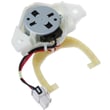
| Won’t spin / intermittent spin | Drive and shifting | Washer shifter WH03X30517 |
| Excessive shaking / banging | Suspension | (Suspension rod kit is a common fix) |
Why it matters
Knowing the typical 10 to 14-year life expectancy helps you decide whether to repair (often smart for a single failed part) or plan replacement when multiple major systems (drive, controls, basket support) start failing close together.
Last updated: February 2026
What is the most common problem with GE washers?
The most common GE washer problem is a drain or spin failure. On the GE GTW330ASK0WW top-load washer, that usually traces to a draining restriction (hose or pump), a lid lock issue, or a drive system problem that prevents the basket from reaching spin speed. See the GTW330ASK0WW owner's manual for model-specific checks and cycle behavior.
Most common symptoms we see
- Washer won’t drain; water remains in the tub
- Washer drains but won’t spin, or spins weakly
- Clothes come out dripping wet
- Hums or buzzes during drain
- Stops mid-cycle or won’t advance to spin
Quick checks before replacing parts
- Confirm the lid is fully closing and locking; a top-load washer often will not spin if the lid lock does not engage.
- Check the drain hose for kinks, crushing, or an over-tight standpipe fit.
- Listen for the drain pump during the drain portion; a loud grind or only a hum points to a pump or blockage.
- Reduce load size and redistribute; an out-of-balance load can prevent a full-speed spin.
- Run the built-in diagnostics/error code lookup using the GE gtw top load washer error codes guide.
Parts that commonly fix “won’t drain” or “won’t spin”
| Symptom | Most likely area | Example part for GTW330ASK0WW |
|---|---|---|
| Won’t drain, pump hums | Drain path or pump | Washer drain pump assembly WH23X28418 |
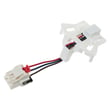
| Won’t spin, lid won’t lock | Safety interlock | Washer lid lock WH08X37938 |
| Agitates but won’t shift to spin | Shift mechanism | Washer shifter WH03X30517 |
| Spins erratically, stops | Speed feedback | Washer speed sensor WH03X32158 |
Why it matters
Drain and spin problems are the most disruptive because they leave water in the tub and clothes soaked. Catching a restriction early can prevent pump damage and reduce strain on the motor, shifter, clutch, and control system.
Last updated: February 2026
Why is my GE front load washer leaking from the bottom?
A bottom leak is almost always caused by a drain-side water path problem (hose, pump, or tub-to-pump connection) or an inlet/overflow issue. For GE model GTW330ASK0WW (a top-load washer), start by checking the drain hose and drain pump area for cracks, loose clamps, or a small drip that only appears during drain/spin; use the GTW330ASK0WW owner's manual for access and safety steps.
Quick checks that usually find the leak
Unplug the washer, turn off both water supplies, then run a short fill and drain while watching with a flashlight.
- Look for water trails on the cabinet base and down the back panel.
- Check the standpipe and household drain for overflow (water backs up and looks like a washer leak).
- Inspect the drain hose for splits, pinholes, or rubbing damage; replace if cracked.
- Check the pump area for drips during drain; a failing pump can seep from the housing.
- Confirm fill hoses are tight at the wall and washer; look for spray during fill.
- If the tub overfills, suspect the inlet valve sticking open.
Most common causes and what to do
| What you see | Most likely cause | What we recommend |
|---|---|---|
| Leak only when draining or spinning | Drain hose or pump leak | Inspect/replace the washer drain hose WH41X32477 or the washer drain pump assembly WH23X28418 |
| Water on floor during fill | Fill hose connection or inlet valve leak | Tighten/replace hoses; if valve body leaks, replace the washer water inlet valve assembly WH13X26534 |
| Suds or water pushing out near top | Oversudsing or partial drain restriction | Use HE detergent, reduce amount, verify drain path is clear |
| Intermittent leak plus heavy vibration | Out-of-balance load stressing hoses | Level the washer, redistribute loads, recheck hose routing |
Why it matters
Even a slow bottom leak can damage flooring and can short electrical components near the base. Fixing a small hose or pump seep early often prevents a larger repair later.
Helpful troubleshooting reference
If your washer is showing a fault code along with the leak, use GE top load washer error codes to narrow the cause before replacing parts.
Last updated: February 2026


