

Is 6.7 cubic feet a big dryer?
Yes. For a Maytag MED6230HW3 electric dryer, 6.7 cubic feet is considered a large-capacity drum size for most homes; it typically handles full family loads, towels, and many bulky items well, even though some “extra-large” models start around 7.0 cu. ft.
What 6.7 cu. ft. means in real use
A 6.7 cu. ft. dryer is usually a good fit when you want fewer loads and better airflow around items.
- Dries larger mixed loads without overpacking the drum
- Handles towels and bedding more comfortably than compact units
- Works well for 2 to 5 person households
- Still benefits from good venting and proper cycle selection
Capacity quick guide
| Dryer capacity | Common label | Best for |
|---|---|---|
| Under 4.5 cu. ft. | Compact | Small spaces, 1 to 2 people |
| 4.5 to 6.0 cu. ft. | Standard | Regular weekly laundry |
| 6.5 to 7.4 cu. ft. | Large | Families, towels, bedding |
| 7.5+ cu. ft. | Extra-large | Frequent bulky loads, big households |
Why “big” can still dry poorly (and what to check)
Even a large-capacity Maytag dryer can take too long if airflow is restricted or the load is packed too tightly.
- Clean the lint screen before every load; replace it if the mesh is damaged (screen W10120998)
- Confirm strong airflow at the outside vent hood
- Avoid crushing or kinking the vent behind the dryer; a short, smooth run helps
- If cycles end with damp clothes, the sensor system may need attention (dryer moisture sensor WP3387223)
Why it matters
Capacity is only part of performance. A 6.7 cu. ft. drum gives you room to tumble items properly, but good airflow and working sensors are what keep dry times reasonable and help prevent overheating.
Last updated: January 2026
What is the most common problem with Maytag dryers?
For Maytag dryers like model MED6230HW3, the most common problems we see are poor drying or no heat from restricted airflow (lint buildup) and tumbling problems (noise or drum not turning) from worn drum support components. Sensor-related drying complaints are also common on many electric dryers.
Most common issues (and what they look like)
- Airflow restriction: long dry times, overheating smell, dryer shuts off early, or no heat symptoms.
- Thermal protection trips: dryer runs but won’t heat, or stops heating after a short time.
- Drum support wear: thumping, squealing, rumbling, or intermittent tumbling.
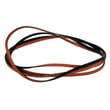
- Idler system wear: squeal, belt slip, or drum stops turning.
- Moisture sensing issues: auto cycles end too soon or clothes stay damp.
Model MED6230HW3 parts that commonly relate to these symptoms
If your MED6230HW3 is noisy, not tumbling, or drying poorly, these are typical “first check” items we see customers replace:
| Symptom | Likely area | Example compatible part for this model |
|---|---|---|
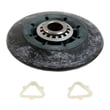
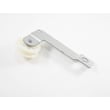
| Rumbling/thumping | Drum support | Dryer drum support roller WPW10314173 |
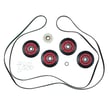
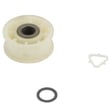
| Squealing, drum stops | Belt tensioning | Dryer idler pulley W10837240 |
| Poor drying/overheating | Venting/airflow | Screen W10120998 |
| Auto cycle dries poorly | Sensing | Dryer moisture sensor WP3387223 |
Quick checks before replacing parts
- Clean the lint screen every load; wash it with mild soap if you use dryer sheets.
- Confirm strong airflow at the outside vent hood while the dryer runs.
- Inspect and clean the vent hose and wall duct; crushed or extra-long venting causes repeat overheating.
- If the dryer is noisy, stop using it and inspect rollers and the idler before the belt gets damaged.
Why it matters
Airflow problems can trigger overheating protection and shorten the life of heating and safety components. Worn rollers or an idler pulley can quickly turn a small noise into a no-tumble failure and additional wear on the drum and motor.
Last updated: January 2026
How do I find the model number on my MED6230HW3?
The model number for your Maytag electric dryer is printed on the appliance’s rating label; on most Maytag dryers like the MED6230HW3, that label is found around the door opening on the cabinet frame. Once you confirm the full model number, you can match parts correctly.
Where to look on a Maytag dryer
Check these common rating-label locations (in order):
- Door opening on the front cabinet frame (open the dryer door and look along the rim)
- Inside the door itself (along the edge or inner panel)
- Back panel of the dryer cabinet
- Behind the lower access panel (if your design has one)
What to write down (so parts match)
Copy the information exactly as shown on the label:
- Full model number (example: MED6230HW3)
- Serial number (helps identify production run)
- Electrical rating (volts/amps), useful for heating and wiring checks
- Any suffixes or revision codes printed with the model
Quick check: model number vs. part numbers
Use this as a simple guide when you are shopping or troubleshooting.
| Item type | Example format | What it’s used for |
|---|---|---|
| Model number | MED6230HW3 | Identifies the exact dryer version |
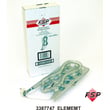
| Part ID | WP3387747 | Used to select the correct replacement part |
| Part number | W11344457 | Manufacturer number that may cross-reference |
Why it matters
Maytag dryers often look similar across model series, but internal components can differ (heater, thermal fuse, drum support rollers, wiring harness). Using the exact model number prevents ordering the wrong part and helps you choose the right diagram section.
If you are still unsure
If the label is worn or missing, we use the model number to narrow down compatible parts and diagrams. A common repair item you might see listed for this model is the thermal fuse W10909685, but confirm your model number first so the match is exact.
Last updated: March 2026