Owner’s manual
 View engine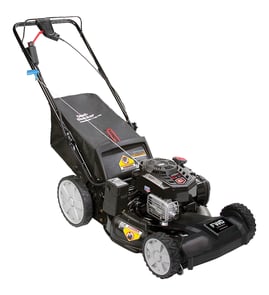



How much is the Craftsman 917388340?
The Craftsman 917388340 is a walk-behind mower model number used to identify the correct repair parts and manual; the purchase price varies widely by condition (new vs. used), season, and what is included. For the most accurate cost comparison, focus on the parts you need and the mower’s overall condition.
What you can price reliably for model 917388340
If you’re trying to estimate what it will cost to get your mower running (or keep it cutting well), pricing the common wear parts is the most dependable approach.
- Blade and blade-mounting hardware (cut quality and vibration)
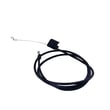
- Control cable (engine zone control and safety shutoff)
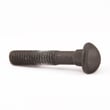
- Handle hardware (knobs, bolts, washers)
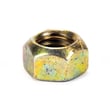
- Small fasteners (nuts, screws, rivets) that often go missing during service
Common replacement parts for this model
| What you’re replacing | What it affects | Example part on this model |
|---|---|---|
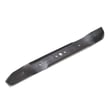
| Cutting blade | Cut quality, mulching, vibration | Lawn mower blade 532406713 |
| Engine zone control cable | Engine stop function and operator control | Control cable 532168552 |
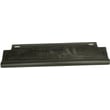
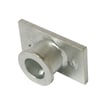
| Blade mounting adapter | Blade fit, wobble, crank protection | Lawn mower blade adapter 581547901 |
Why the mower price varies so much
A used Craftsman 22-inch rotary mower like the 917388340 can be inexpensive if it needs a blade, cable, or tune-up, but it can cost much more if the engine has low compression, the deck is rusted through, or key safety parts are missing.
Quick checklist before you buy (or decide to repair)
- Confirm the model number is 917388340 on the mower’s ID label.
- Check that the blade spins true (no wobble) and the deck is not cracked.
- Verify the engine zone control stops the engine when released.
- Inspect the handle hardware for looseness or missing knobs/bolts.
- Review maintenance and operating details in the owner's manual.
Last updated: February 2026
What are the common problems with Craftsman lawn mowers?
Common problems on the Craftsman 917388340 22-inch rotary lawn mower include a no-start condition (fuel, air, spark, or control bar issue), loss of power from heavy grass or debris buildup under the deck, and poor or uneven cutting from a worn or loose blade. Use the owner's manual troubleshooting chart to match symptoms to likely causes.
Most common symptoms and what usually causes them
- Won’t start: dirty air filter, out of fuel, stale or water-contaminated fuel, spark plug wire off, bad spark plug, or the control bar released/defective
- Loss of power: cutting too much grass, walking speed too fast, heavy grass dragging the blade, or grass and debris packed under the mower
- Poor or uneven cut: worn/bent/loose blade, uneven wheel height settings, or buildup under the deck
- Hard starting after storage: old fuel left in the tank, or spark plug needing service
Quick checks we recommend first (fastest wins)
- Use fresh gasoline; stale fuel is a top cause of no-start.
- Check the air filter and spark plug; service or replace if dirty.
- Confirm the operator presence control (control bar) is held firmly against the handle.
- Inspect under the deck for packed grass and clean it out (engine off, spark plug wire disconnected).
- Verify the blade is tight and the adapter is not damaged.
Parts that commonly solve cutting and vibration complaints
If you notice vibration, a ragged cut, or the mower “thumps,” inspect the blade and blade mounting hardware.
| Symptom | What to inspect | Common fix |
|---|---|---|
| Uneven cut | Blade condition, deck buildup, wheel heights | Clean deck; replace blade if worn/bent |
| Vibration | Loose blade, damaged adapter | Tighten; replace worn parts |
| Poor mulching/bagging | Engine speed too low, heavy/moist grass | Mow slower; raise cut height |
Helpful model-matched parts from our list include the lawn mower blade 532406713 and the lawn mower blade adapter 581547901.
Why it matters
Running with a loose blade or heavy debris buildup can reduce cut quality, overload the engine, and accelerate wear on the blade adapter and fasteners. Keeping the deck clean and the blade sharp also improves bagging and mulching performance.
Last updated: February 2026
What time of year is it cheapest to buy a mower?
Fall through early winter is typically the cheapest time to buy a mower because demand drops after mowing season and remaining inventory is often discounted. For a Craftsman walk-behind mower like model 917388340, the best deal window is usually September through February.
Best times to shop (and why)
- September to November: end-of-season markdowns as mowing slows down.
- December to February: clearance pricing on leftover stock; fewer models to choose from, but deeper discounts.
- Late May to June: holiday promotions can be good, but selection is better than winter.
- Black Friday and Cyber Monday: strong discounts are common, especially on non-gas categories; gas models can still be included.
Times to avoid (highest prices)
- April to August: peak demand; pricing is usually firm and popular models sell quickly.
- Early spring launches: new model-year releases often mean fewer discounts.
Quick timing guide
| When you buy | Typical price level | Selection level |
|---|---|---|
| Sep to Feb | Lowest | Low to medium |
| May to Jun | Medium | High |
| Apr to Aug | Highest | Medium to high |
Why it matters for repairs and ownership cost
Buying at the right time can free up budget for the items that wear out during normal use, such as blades and blade adapters. Keeping up with routine maintenance also helps you get the most value from your mower over time; our owner's manual covers key upkeep and storage practices.
Last updated: February 2026
Will WD-40 keep grass from sticking to a mower deck?
WD-40 can make the underside of a mower deck feel slick for a short time, but we do not recommend it as a long-term fix for your Craftsman 917388340 because it attracts dirt and can turn into a gummy film. The most reliable way to prevent sticking is correct mowing technique and cleaning the deck after each use (see the owner's manual).
What to do instead (works better than spraying the deck)
- Mow when the grass is dry; wet grass clumps and sticks easily.
- Cut only the top one-third of the grass; raise the cutting height if the lawn is tall.
- Slow your walking speed in heavy or moist grass.
- Overlap passes to reduce load and improve discharge or bagging.
- Clean built-up grass from the underside of the housing after each use.
Cleaning guidance for this model
Your manual calls out cleaning the underside regularly for best performance. A simple routine:
- Disconnect the spark plug wire before servicing.
- Tip the mower on its side with the air filter and carburetor facing up.
- Scrape off packed grass and debris (a plastic scraper helps protect paint).
Quick comparison: WD-40 vs. proper maintenance
| Approach | How long it helps | Downsides | Best use case |
|---|---|---|---|
| WD-40 spray | Short-term | Can collect dust and form residue; not a true deck coating | Temporary, between cleanings |
| Clean after mowing | Long-term | Takes a few minutes | Best overall prevention |
| Adjust mowing height/speed | Immediate | None | Heavy, tall, or damp conditions |
Why it matters
Grass buildup reduces airflow under the deck, which increases clumping, hurts mulching performance, and can make the engine work harder. Keeping the mower housing clean and adjusting cut height and speed prevents most sticking problems.
Last updated: February 2026