 Installation guide
 Owner’s manual


Can I replace a dryer heating element myself?
Yes. On the Electrolux EIMED55IIW1 electric dryer, replacing the heating element is a common DIY repair if you’re comfortable working with wiring and panels. The key is to disconnect power first, document wire locations, and reassemble exactly as found; then run a test cycle.
Safety first (do this every time)
- Unplug the dryer before opening any panels.
- Confirm the outlet is properly grounded; never cut or bypass the grounding prong.
- Let the dryer cool completely before touching the heater housing.
- Wear work gloves; sheet metal edges are sharp.
- If you smell burning or see melted wiring, stop and correct the airflow or wiring issue before running again.
What you’ll typically replace
For this model, the heating circuit commonly involves the heater plus safety devices. If the element failed from overheating, replacing only the element can lead to repeat failures.
| Part | What it does | When it’s commonly needed |
|---|---|---|
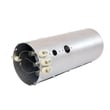
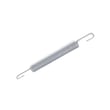
| Frigidaire dryer heating element 134792700 | Produces heat for drying | No heat, heat is weak, element is visibly broken |
| Kelvinator dryer high-limit thermostat 3204267 | Prevents overheating | Dryer overheats, cycles heat off too soon |
| Dryer inlet thermal limiter 137032600 | One-time safety cutoff | No heat after an overheat event |
DIY replacement overview (high level)
- Disconnect power.
- Remove the access panel needed to reach the heater housing (location varies by design).
- Take a photo of wire connections; label wires if needed.
- Move the thermostats/limiter from the old heater housing to the new one if your replacement requires it.
- Reinstall all wires firmly and route them away from hot surfaces.
- Reassemble panels, restore power, and run a timed dry test.
Why it matters
A failed heating element is often caused by restricted airflow (lint buildup, crushed vent, or poor vent material). Fixing airflow protects the new heater, thermostats, and wiring and helps the dryer dry faster.
For model-specific access steps and post-repair checks, follow the installation guide and keep the venting requirements in mind (rigid metal venting is the safest choice).
Last updated: February 2026
What are common Electrolux appliance issues?
Common Electrolux appliance issues include dryers that do not heat or take too long to dry, washers that shake or will not spin, and refrigerators with leaking or ice maker problems. For your Electrolux EIMED55IIW1 electric dryer specifically, the most frequent complaints we see are airflow restrictions, overheating protection trips, and wear in drum support parts; start with the checks in the installation guide.
Common issues by appliance type
- Electric dryers (like EIMED55IIW1): no heat, long dry times, burning smell, drum not turning
- Washers: shaking, not spinning, draining problems, door or lid lock issues
- Refrigerators: water leaks, ice maker not filling, temperature swings, display or control issues
EIMED55IIW1 dryer: the most common causes and parts involved
Airflow and heat problems usually trace back to venting, lint buildup, or a heat-safety device opening.
- Clean the lint screen every load; replace a damaged screen such as the kenmore dryer lint screen 134793600
- Confirm the vent hood outside opens fully and exhausts outdoors (restricted venting causes long dry times)
- If the dryer overheats and shuts heat off, check heat-safety parts such as the dryer inlet thermal limiter 137032600 and kelvinator dryer high-limit thermostat 3204267
- If there is no heat at all, the heating circuit can include the frigidaire dryer heating element 134792700
- If the drum will not tumble or you hear squealing/thumping, inspect wear items like the white-westinghouse dryer drum belt 134719300, dryer idler assembly 134793511, and dryer drum support roller 5304523152
Quick symptom-to-cause guide
| Symptom | Most common cause | What to check first |
|---|---|---|
| Takes too long to dry | Restricted venting or lint buildup | Vent path, lint screen, outside hood |
| No heat | Heating circuit fault | House power, heating element, thermal limiter |
| Squealing or thumping | Worn belt, idler, or rollers | Belt tension, idler pulley, rollers |
| Stops mid-cycle | Overheating or airflow issue | Venting, lint buildup, high-limit devices |
Why it matters
Dryer airflow problems do more than slow drying; they raise operating temperatures, which can trip thermal limiters and shorten the life of components like the heating element, motor, belt, and drum support system.
Last updated: February 2026
What is the life expectancy of an Electrolux dryer?
Electrolux electric dryers such as model EIMED55IIW1 typically last 10 to 15 years. Consistent airflow maintenance (lint screen and venting) and avoiding overheating conditions are the biggest factors that keep the motor, heating system, and controls running for the long haul.
What affects dryer lifespan the most
- Airflow and venting: clean the lint screen every load; keep the exhaust duct clear and as short as practical.
- Heat stress: repeated overheating shortens the life of the heating element, thermostats, and thermal limiter.
- Mechanical wear: drum support rollers, the drum belt, and the idler system wear over time.
- Load habits: frequent overloading strains the motor and belt.
- Installation quality: correct 240V supply (electric models) and proper exhaust to outdoors help prevent chronic problems (see the installation guide).
Quick maintenance checklist (best return for the effort)
- Remove lint from the lint screen housing area regularly (not just the screen).
- Inspect and clean the vent duct and outside hood; confirm strong airflow.
- Keep the dryer level so the drum rides evenly on the supports.
- Stop using the dryer if you smell overheating; check airflow and safety devices.
- Use timed dry occasionally to confirm the dryer is heating and cycling normally.
Common wear parts that often decide “repair vs replace”
If your EIMED55IIW1 is otherwise in good shape, these are typical, fixable wear items:
| Symptom | Common wear area | Example part on this model page |
|---|---|---|
| Squealing, thumping, rumbling | Drum support and idler system | Dryer drum support roller 5304523152, dryer idler assembly 134793511 |
| Drum not turning | Belt or idler system | White-westinghouse dryer drum belt 134719300 |
| No heat or overheating shutdown | Heating and safety devices | Frigidaire dryer heating element 134792700, dryer inlet thermal limiter 137032600 |
Why it matters
A dryer that is kept clean and vented correctly dries faster, uses less energy, and runs cooler. Lower operating temperatures reduce stress on the motor, heating element, thermistor, and high-limit safety devices, which directly extends service life.
Last updated: February 2026





