Error Codes




How wide is a 25.6 cubic foot refrigerator?
Most 25.6 cubic foot side-by-side refrigerators are about 36 inches wide (typically 35 3/4 to 36 inches). For the GE GSS25GMPJCES, the exact width depends on the specific cabinet and door design, so we recommend confirming the published dimensions for your exact model before ordering delivery or trim.
Typical width range (what to plan for)
When you shop by capacity (25.6 cu. ft.), width is usually driven by the standard side-by-side footprint.
- Common overall width: 35 3/4 to 36 inches
- Common cabinet-only width: slightly under 36 inches (doors and handles can add more)
- Allow extra space: for door swing, leveling, and airflow clearance
- Measure at the widest point: often the handles or door edges
Quick measuring checklist (most accurate)
Use a tape measure and record in inches.
- Measure width at the front (include handles if they stick out)
- Measure width at the back (cabinet width)
- Measure door swing clearance (space needed to fully open doors)
- Measure the path to the kitchen (doorways, hallways, turns)
- Confirm the unit is level; a tilt can change how doors align and swing
Planning guide (typical)
| What you are measuring | Typical value for 25.6 cu. ft. side-by-side | Why it matters |
|---|---|---|
| Overall width | ~36 in. | Fit between cabinets and trim |
| Recommended opening | 36 in. or slightly more | Prevent rubbing and vibration |
| Extra clearance to plan | 1/4 to 1 in. (varies) | Easier install and door swing |
Why it matters
A refrigerator that is even 1/4 inch too wide can bind against cabinets, prevent doors from opening fully, or make installation difficult. Getting the width right also helps avoid airflow restrictions that can affect cooling performance.
Related parts that affect fit and use
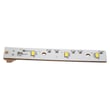
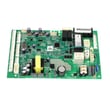
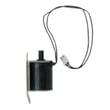
If you are troubleshooting door or dispenser issues after moving or reinstalling, these model-compatible parts are commonly involved:
Last updated: January 2026
What is the most common problem with a GE refrigerator?
Cooling problems are the most common issue we see on GE refrigerators, including the GE GSS25GMPJCES side-by-side. The usual symptoms are warm fresh food temperatures, soft ice, or heavy frost; the most frequent causes are airflow problems, defrost failures, or a failing fan or sensor.
Most common causes (and what to check first)
- Dirty condenser coils: Reduced heat removal can make both sections run warm.
- Airflow blocked inside: Overpacked shelves or blocked vents can stop cold air circulation.
- Evaporator fan not running: You may hear no fan noise, or the freezer is cold but the fridge is warm.
- Defrost system problem: Frost buildup on the freezer back wall points to a defrost issue.
- Temperature sensing/control issue: A bad sensor can cause erratic temps or long run times.
Quick troubleshooting steps for GSS25GMPJCES
- Set temps to typical targets: 0°F freezer and 37°F fresh food.
- Clean condenser coils and confirm the unit has good airflow around it.
- Check door closing and sealing; a poor seal causes moisture, frost, and warm temps.
- Listen for the evaporator fan when the freezer door switch is pressed.
- If temps swing or the unit runs constantly, test/replace the sensor or fan as needed.
Parts that commonly fix cooling complaints
| Symptom | Likely area | Example part for this model |
|---|---|---|
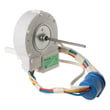
| Fridge warm, freezer cold | Airflow in freezer | Refrigerator evaporator fan motor WR60X10307 |
| Temps inconsistent or inaccurate | Temperature sensing | GE profile refrigerator temperature sensor WR55X10025 |
| Frost buildup, weak airflow | Fan performance | Hotpoint refrigerator evaporator fan blade WR60X30922 |
Why it matters
Cooling issues can spoil food quickly and force the compressor to run longer than normal. Catching airflow or sensor problems early often prevents bigger failures and keeps energy use under control.
For dispenser-related symptoms that can be mistaken for cooling problems (ice clumping, chute not closing, warm air leaking at the dispenser), we use how to disassemble the ice and water dispenser on a GE refrigerator as a safe starting point.
Last updated: January 2026
Are GE side by side refrigerators good?
Yes. GE side-by-side refrigerators like model GSS25GMPJCES are a solid choice for everyday reliability, easy food organization, and convenient ice and water features. Most owners value the adjustable storage and bright interior lighting; occasional complaints are usually about ice maker noise or slower ice production.
What “good” means for a side-by-side
A side-by-side design is typically considered “good” when it delivers consistent temperatures, usable freezer space, and dependable dispenser performance.
- Strong day-to-day food organization (narrower shelves, more vertical storage)
- Easy access to ice and water at the door
- Good visibility inside (LED lighting on many GE models)
- Common serviceable wear items (filters, dispenser parts, fan motors)
What to watch for (common ownership tradeoffs)
These are the most common side-by-side considerations we see across GE models:
- Ice maker can sound louder during harvest cycles
- Ice production can slow if the water filter is restricted
- Freezer can feel narrower for wide pizza boxes or large trays
- Door seals and door alignment matter more because doors are tall and frequently opened
Quick checks that improve performance
If you want the best experience from a GE side-by-side, these steps usually make the biggest difference:
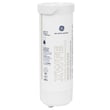
- Replace the water filter on schedule; a restricted filter can reduce water flow and ice output (use GE refrigerator water filter XWFE)
- Keep vents inside the fresh food and freezer sections unblocked
- Set typical temperatures: 37°F fresh food, 0°F freezer
- Clean condenser area periodically to help cooling efficiency
- If the door alarm is sounding or won’t clear, follow how to reset the door alarm on a GE refrigerator
Parts that commonly affect “good vs. bad” symptoms
| Symptom | Often related to | Example part for GSS25GMPJCES |
|---|---|---|
| Warm fridge or uneven temps | Temperature sensing or airflow | GE profile refrigerator temperature sensor WR55X10025 |
| Weak ice or water dispensing | Filter restriction or valve issues | GE refrigerator water filter XWFE |
| Poor cooling circulation | Evaporator fan not running | Refrigerator evaporator fan motor WR60X10307 |
Why it matters
A “good” refrigerator is one that holds safe temperatures and fits your daily habits. Side-by-side models excel at access and organization; keeping airflow clear and maintaining the water system usually prevents the most common complaints.
Last updated: January 2026